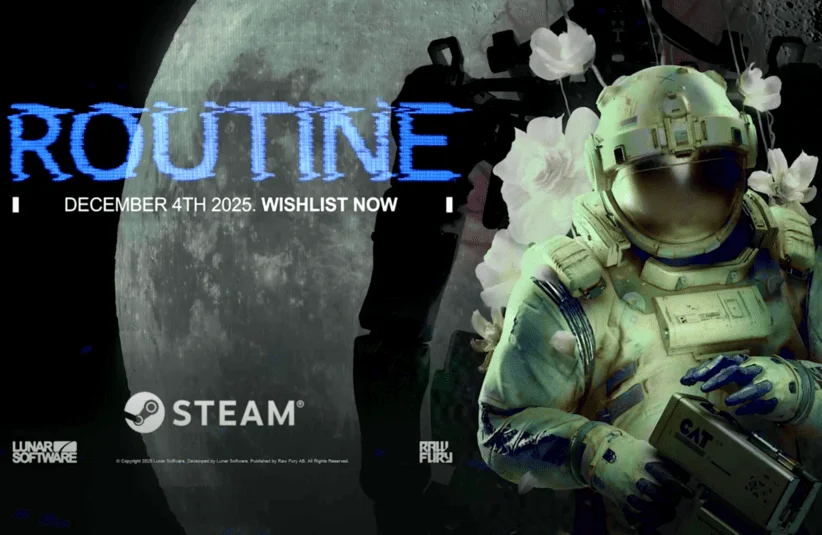
ROUTINE – An 80s Futuristic Sci-Fi Horror Where No One Can Help
When I first heard about ROUTINE, developed by Lunar Software and published by Raw Fury, I was naturally skeptical. A game set on an abandoned lunar base with an 80s aesthetic? Sounds cool on paper, but does it actually deliver the goods, or is it just another nostalgia trip with no substance?
What Is ROUTINE Actually About?
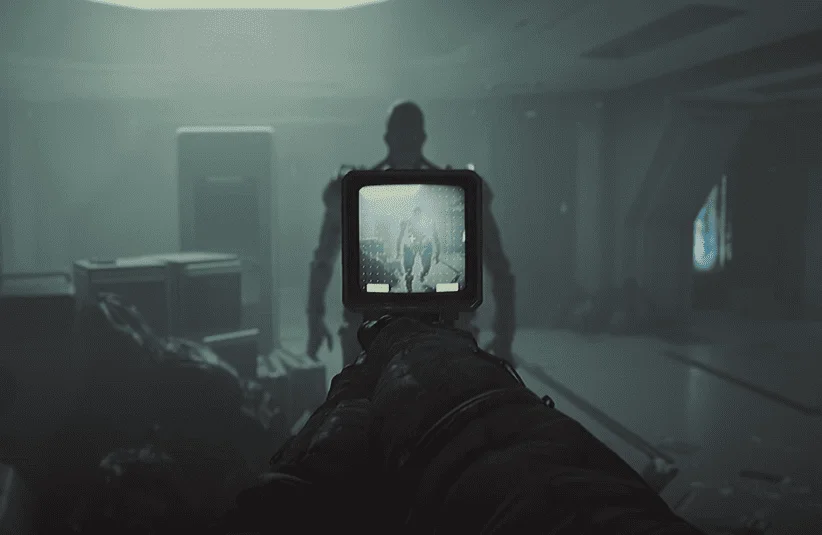
You play as a cosmonaut engineer sent to investigate a lunar base that has gone radio silent. The entire base is designed around an ’80s vision of the future. We’re talking chunky CRT monitors, floppy disks, and that specific beige-grey the ’80s thought was a color for modern tech. The moment you set foot onto the base, you find nothing and no one. Aside from some robots that don’t take kindly to you trespassing on their lunar base, you are completely and utterly alone….In the beginning, at least.
You are completely on your own with no waypoint markers, health bars, or minimaps to point you in the ”right” direction. Explore and try to figure out what the heck happened to everyone. In ROUTINE, you’re up against some serious threats, and unlike other games, instead of mutational upgrades and equipment modifiers, you stay vulnerable. This game will treat you just like you are: a regular engineer with a normal human constitution. Helpless like small prey.
Visuals and Audio: ’80s Atmospheric Nostalgia Meeting Pure Dread
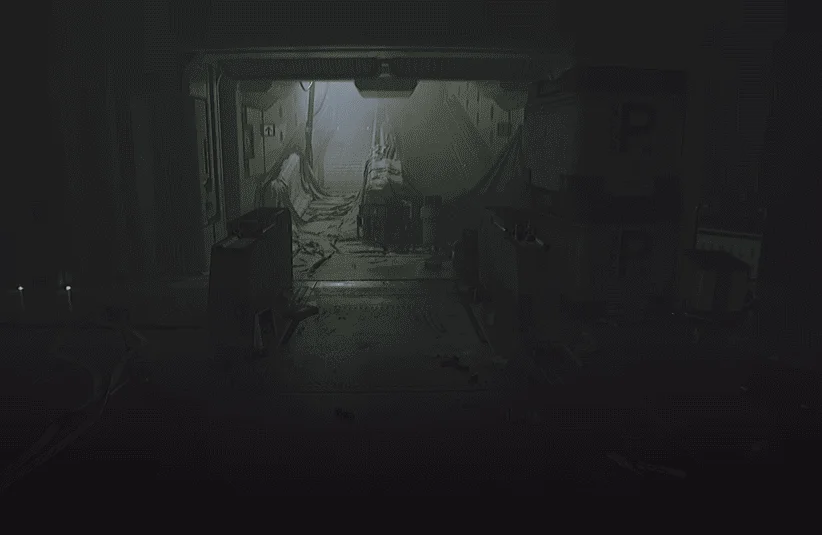
One thing ROUTINE absolutely nails is the overall atmosphere and design. The developers have clearly poured a lot of love into recreating that lo-fi, analog sci-fi look. It’s atmospheric as hell. The lighting is oppressive, and the sound design is unsettlingly crunchy, making the sheer isolation you feel palpable. From the deteriorating living quarters to the abandoned mall, everything feels genuinely eerie.
The unnerving audio adds to this tension, forcing you not only to look but to listen very, VERY carefully. The slow-building dread makes you start questioning every shadow and metallic groan. Is that steam hissing from a pipe, or is something about to rip my face off? The diegetic audio—sounds that exist within the game world, instead of background music—adds a layer of immersion that is rare these days. If you’re the type who plays games while blasting a podcast, you are going to die. A lot.
ROUTINE Mechanics: Run, Hide, or Die Trying
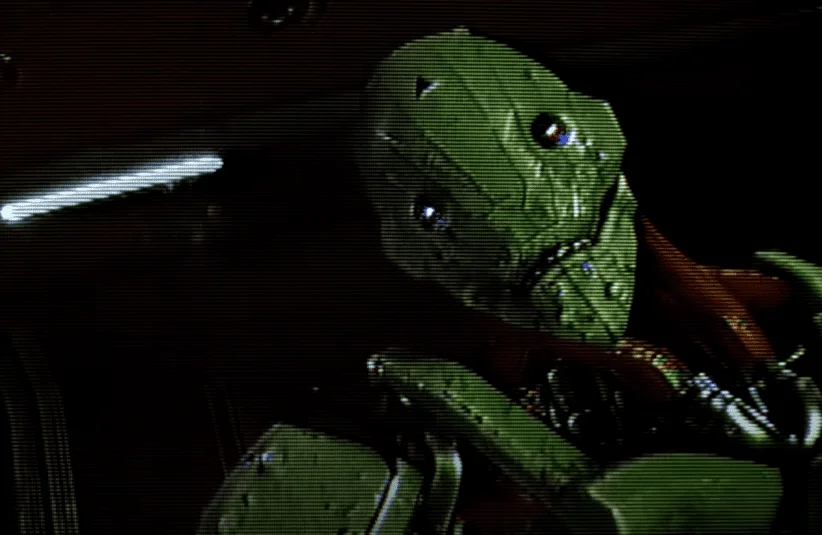
This is a survival horror game in the truest sense. You have a “Cosmonaut Assistance Tool” (C.A.T.), which sounds cute but is basically your lifeline. You use it to interact with terminals and navigate the dark, but it’s also your last resort for defense.
If you try to go Rambo on some adversary’s butt, you will lose. The enemies—creepy, glitchy patrolling robots —are relentless, and will hunt you down. Imagine if the V.A.N.N.I. sentinels from FNAF Security Breach got a beefy upgrade by William Afton. It’s best to hide from them or high-tail it out of there if they see you.
The lack of a HUD (Heads-Up Display) is a double-edged sword. For one thing, it makes the experience incredibly immersive, like you’re the new guy sent to your first routine job. On the other hand, getting lost in a labyrinthine moon base while being chased by killer robots is stressful in a way that it can border on being annoying. ROUTINE didn’t come to dance with you through a garden, folks. Don’t expect hand-holding.
Final Thoughts: When the Past’s Future Goes Wrong
ROUTINE’s got a tastful ’80s futuristic vibe, an atmosphere that can engulf players, and gameplay that will drench your palms and mouse in sweat. It’s not perfect—the difficulty spikes can be brutal, and the pacing can drag during the exploration—but it won’t degrade the player’s intelligence. You play the game, and the game won’t play you. It will keep throwing you into the void, Baby Bear, until you find the right way or use your time right! So, my fellow engineers! Are you up for the job?