Clair Obscur Disqualified Over AI Textures as Blue Prince Takes GOTY
The indie scene loves a good underdog story, but this week it delivered something far messier: a full‑blown awards‑night plot twist complete with controversy, confusion, and a surprise new champion who had to immediately defend itself from accusations it never asked for.
Clair Obscur: Expedition 33—fresh off a historic sweep at The Game Awards—walked into the Indie Game Awards as the presumed favorite and walked out with nothing. Not because the game suddenly stopped being good, but because of a five‑day window where a handful of AI‑generated placeholder textures slipped into the launch build before being patched out.
Yes. Five days. Placeholder textures. Welcome to 2025.
The Disqualification Heard Around the Indie World
According to Insider Gaming’s reporting, Sandfall Interactive had previously assured the Indie Game Awards that no generative AI was used during development—an important detail, because the IGAs have a strict zero‑tolerance policy for gen‑AI involvement at any stage. But on the day of the ceremony, producer François Meurisse reiterated comments from a July interview confirming that the team had used “some AI” early in production to generate temporary placeholder textures.
That was enough to trigger the trapdoor.
Within 48 hours, the IGAs rescinded both awards—Debut Game and Game of the Year—and reassigned them to the runners‑up. Sorry We’re Closed took Debut Game, and Blue Prince stepped into the GOTY spotlight.
Cue the internet meltdown.
Blue Prince Wins… and Immediately Has to Prove It’s Human‑Made
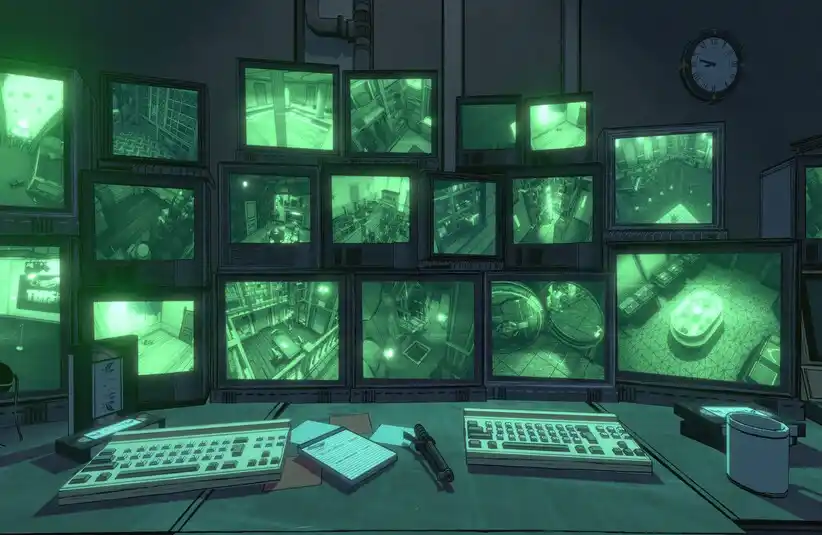
Blue Prince should’ve been celebrating. Instead, it had to sprint to social media to clarify that no, it did not use generative AI, and yes, its art is entirely human‑crafted. Raw Fury, the publisher, put it bluntly: “There is no AI used in Blue Prince,” and emphasized the game’s eight‑year development driven purely by human creativity.
The timing was brutal. The moment Blue Prince inherited the GOTY crown, rumors started circulating that it too had AI fingerprints somewhere in its art pipeline. The studio had to shut that down immediately—because nothing says “congratulations” like being forced to defend your artistic integrity before you can even pop the champagne.
The Clair Obscur Problem: A Technical Oversight Becomes a Moral Flashpoint
Let’s be clear: Sandfall Interactive didn’t ship an AI‑generated game. They shipped a game where a few placeholder textures—think newspaper clippings and wall scraps—were accidentally left in the launch build and replaced within five days.
But the IGAs’ rules don’t care about intent, context, or the difference between “placeholder” and “final asset.” Their stance is absolute: if generative AI touched the project at any point, the game is ineligible. Period.
And honestly? Whether you agree with that stance or not, at least it’s consistent.
What’s not consistent is the internet’s reaction. Some players argued the punishment was harsh given the assets were temporary and quickly removed. Others, however, are stubborn about the rules and insist they be followed. Sandfall broke them—even if unintentionally—so the disqualification was deserved.
The result: a discourse tornado where nobody is happy, everyone is yelling, and the actual games are getting buried under ethics debates and screenshots of suspicious wall textures.
The Bigger Picture: AI Panic Meets Indie Purity Culture
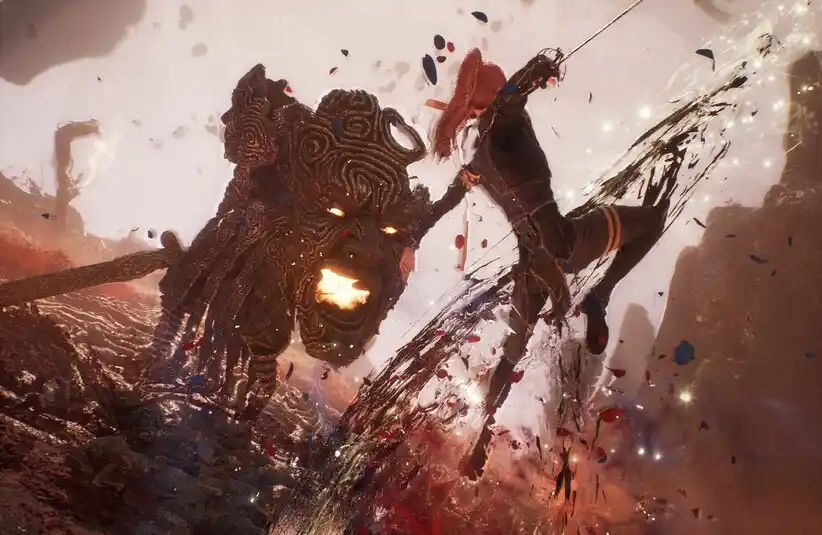
This controversy didn’t happen in a vacuum. The industry is in the middle of a generative‑AI identity crisis. Every studio that so much as whispers the letters “A” and “I” in the same sentence gets thrown into the arena.
Clair Obscur’s situation became the perfect lightning rod:
- A beloved, award‑winning game
- A strict awards body
- A resurfaced interview quote
- A few overlooked textures
- A community already on edge
Mix all that together and you get a moral panic disguised as quality control.
Meanwhile, Blue Prince—an innocent bystander—got dragged into the blast radius simply for being next in line for the trophy.
Final Thoughts
This should’ve been a victory lap for indie devs. Instead, it turned into a referendum on AI ethics, transparency, and the impossible standards we place on small teams trying to make ambitious art.
Clair Obscur didn’t lose its awards because it wasn’t good enough. It lost them because it broke a rule—accidentally, minimally, and briefly, but undeniably. Blue Prince didn’t win because of the controversy; it won because it was next in line and, by all accounts, a deserving game in its own right.
But the real takeaway is this: the indie space is entering a new era where the definition of “handmade” is under a microscope, and one overlooked texture can rewrite an entire awards season.
If this is the future, buckle up, buttercups. The AI discourse isn’t slowing down—it’s just getting started.