2025 Was the Absolute Worst Year for Graphics Cards, and We Are All Tired
If you are a PC gamer who tried to upgrade your rig in 2025, you probably need a hug. Or a stiff drink. Maybe both. We have seen some truly messy hardware launches in the past few decades, from the ear-splitting fans of the FX 5800 Ultra to the mining booms that turned graphics cards into gold dust. But nothing could have prepared us for the absolute chaos of 2025. It was a year defined by broken promises, melting cables, and pricing structures that seemed to be made up on the fly. It was, quite simply, the worst year for graphics cards we have ever endured.
The Red Team’s Pricing Rollercoaster
Let’s rewind to March 2025. The hype for AMD’s RDNA 4 architecture was palpable. We were ready for the Radeon RX 9070 XT to swoop in and save us with an aggressive $599 price point. We wanted a hero. What we got instead was a confusing mess of conflicting information that changed by the hour.
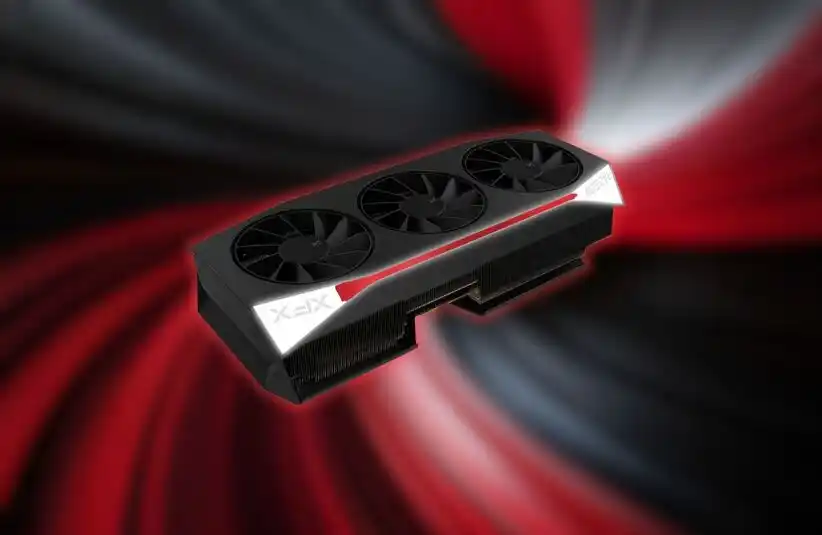
There were no reference cards, which meant we were at the mercy of board partners for pricing. One minute, a card like the XFX Mercury RX 9070 XT was touted as a reference-priced model. The next minute, it was $800. Then $700. It felt less like a tech launch and more like a chaotic auction where the rules changed every time someone blinked. Retailers didn’t know what to charge, manufacturers couldn’t decide on an MSRP, and gamers were left clutching their wallets in confusion.
When the embargo finally lifted, the chaos didn’t stop. Cards that were promised to launch at $599 vanished instantly, only to reappear online with price tags north of $900. It was a bait-and-switch of epic proportions, leaving the community to wonder if affordable graphics cards were just a myth we told ourselves to sleep better at night.
Nvidia’s Blackwell Blunders
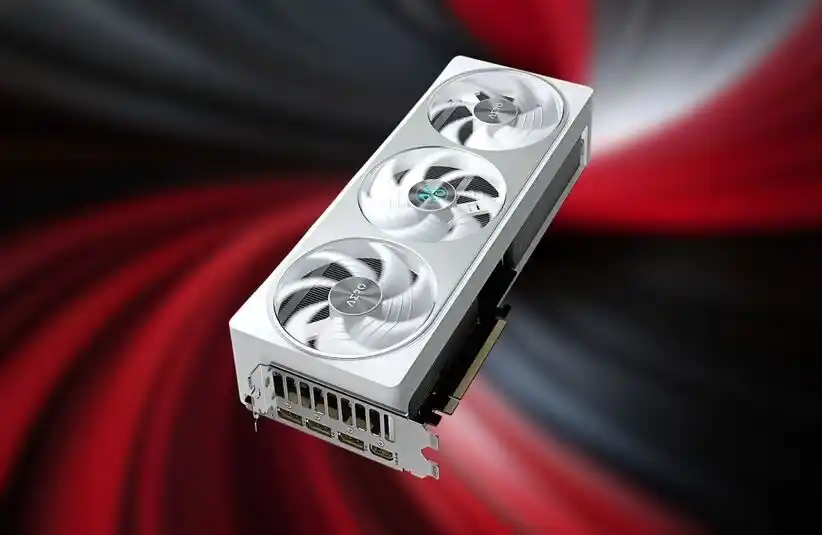
If you thought Team Green fared any better, think again. The RTX 50-series launch, powered by the Blackwell architecture, was its own special brand of disaster. Sure, we had Founders Edition graphics cards, so at least the MSRP wasn’t entirely fictional in theory. But in practice? It was a nightmare.
First, there were the drivers. Flaky, unstable, and arriving at the very last second, they made reviewing these cards a test of patience. Then came the hardware anxiety. The infamous melting power cables returned to haunt our dreams, turning every gaming session into a potential fire hazard. And let’s not forget the “performance” upgrades.
Nvidia leaned heavily on Multi-Frame Generation (MFG) to justify its performance claims. When they told us the RTX 5070 offered RTX 4090 levels of performance, they conveniently glossed over the fact that this was largely due to AI frame generation, not raw silicon power. The chips themselves were physically smaller and arguably less complex than their predecessors. It felt like Nvidia was trying to gaslight us into believing that software tricks were a valid replacement for generational hardware leaps.
Capitalism Came for Our Frames
The real villain of 2025 wasn’t just the tech, it was the market itself. Manufacturers and retailers looked at the previous shortages of graphics cards during the pandemic and decided they wanted a piece of that scalper pie.
It was offensive to watch. The supply for graphics cards was artificially constrained, or at least poorly managed, creating a frenzy that drove prices into the stratosphere. The RTX 5070 Ti and the RX 9070 XT should have been the mid-range champions of the year. Instead, they spent the first few months of their lifespan priced like luxury items, sitting well above $900.
We can argue about chip yields and supply chains all day, but the reality felt much grimier. It felt like price gouging, pure and simple. Companies saw that gamers were desperate for new silicon, and they decided to squeeze every last cent out of that desperation.
The RAMpocalypse Looms
As 2025 fades into the rearview mirror, prices have finally started to stabilize. We can find graphics cards near their original launch prices again, and stock is somewhat reliable. But don’t get too comfortable.
The industry is now staring down the barrel of a “RAMpocalypse.” With the explosive demand for AI, the cost of memory is skyrocketing. Rumors are already swirling that future graphics cards might see GDDR pricing surge, or that companies like Nvidia might stop bundling VRAM with their chips entirely.
So, while we survived the disaster that was the 2025 launch cycle, the future of PC gaming hardware looks expensive. If you managed to snag a GPU this year without selling a kidney, count yourself lucky. For the rest of us, we will just be over here, nursing our old rigs and hoping they hold out until sanity returns to the market.