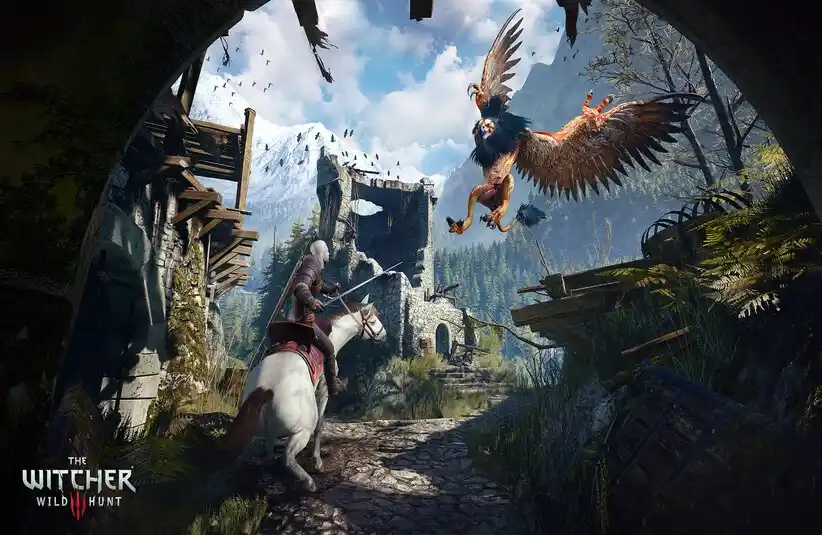
CD Projekt Red Makes a Bold Move, Passing the GOG Torch Back to Its Founder
CD Projekt Red, the renowned developer behind The Witcher series, has finalized the sale of its GOG (Good Old Games) digital storefront. Furthermore, Michal Kicinski, an original co-founder of both GOG and CD Projekt itself, now owns the classic, DRM-free platform. With this move, the return to GOG’s foundational mission of game preservation and consumer-friendly practices takes center stage. So, what does this transition mean for the future of classic PC gaming and its fans?
A Good Old Games Renaissance is Coming
Primarily, GOG plans to double down on rescuing and restoring classic titles, promising “more ambitious rescue missions” in 2026 and 2027. Given that this new ownership aims to celebrate modern games with a retro spirit, GOG pushes towards a curated focus rather than just a massive catalog. Crucially, the company confirmed its relationship with GOG will continue, ensuring that titles like The Witcher 4 will still launch there despite other publisher deals.
Moreover, GOG could also evolve into a unique refuge for games banned from other major storefronts. The removal of the horror game Horses from Steam and the Epic Games Store on GOG, despite its recent, controversy-driven success, demonstrates a clear market niche. CD Projekt’s decision to sell GOG to its Founder ultimately impacts the broader entertainment industry.
Preserving Pixels, One Classic at a Time
This sale reinforced a viable, consumer-focused alternative to dominant, heavily curated digital storefronts. It signals a growing market segment that values permanent ownership and access over the convenience of subscription services. Similarly, fans have been affected by CD Projekt’s decision, as it’s a dedicated entity that’s now solely focused on preserving gaming’s history.
Not only that, but CD Projekt’s supporting niche, experimental, or adult-oriented projects that other platforms may reject will also be protected. This decision mainly ensures important or controversial art isn’t erased by corporate content policies, as it fosters a more diverse and resilient software ecosystem in the industry. Given this level of commitment from CD Projekt, GOG continues to be supported with its own major releases, providing vital stability and mainstream visibility for the storefront’s mission.
The CD Projekt and GOG Partnership Endures
Looking ahead, GOG’s independence allows it to champion its DRM-free philosophy more aggressively. Even with the potential conflicts of being tied to a single major publisher, the storefront will still maintain control over itself. Whether this focused strategy be enough to help it grow in a market dominated by Steam remains to be seen. However, it’s possible that it’ll stay a beloved but niche service for purists.
Following the sale, CD Projekt will face its first true test with the success of GOG’s upcoming “rescue missions” for lost classics and its stance on controversial titles. For a store that has always operated by its own rules, this sale proves to be a pivotal moment for both. That said, GOG’s strategic refocus on its core strengths of preservation and consumer freedom must be a priority if this move is to be successful.
Thanks to CD Projekt, the platform is able to retain high-profile support and relevance. For the industry, it represents a strengthening of an important alternative model for game distribution and ownership. However, players aren’t pushed to the side, as GOG promises a dedicated guardian for gaming’s past and a potential haven for its more unconventional future.