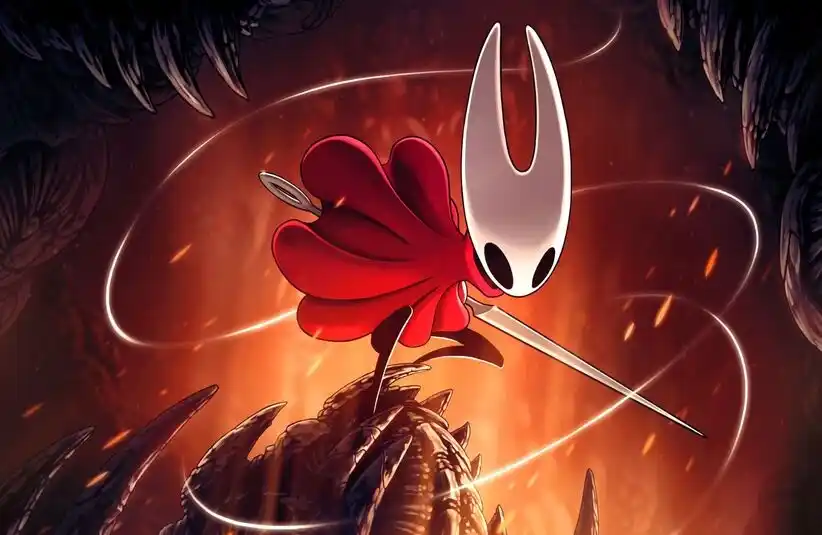
Silksong’s Monumental Success Story Proves Even a Hollow Knight Can Conquer Time Itself
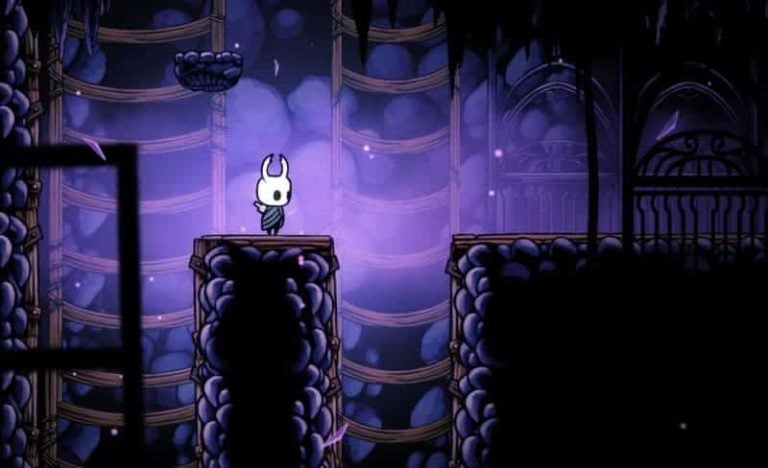
The triumph of “Hollow Knight: Silksong” stands as a monument to patient development in a frantic industry. As Team Cherry crafted this sequel over many quiet years, they focused purely on their vision without external pressure. Thanks to their dedication, they created a masterpiece that exceeded sky-high expectations. Despite the game’s success, one question remains: How did such a prolonged and secretive process not backfire spectacularly?
This Game Took Forever, and It Showed
To find the answer, you must first consider a perfect, unrepeatable storm of conditions. The original “Hollow Knight” provided not just financial security but immense fan goodwill. Following this, the game created a reservoir of trust that Team Cherry could draw from during the long silence. Players didn’t wait for “Silksong” out of obligation, but from a genuine belief that it would justify the radio silence.
The game ultimately rewarded players’ faith with its astonishing depth and beauty, making the wait feel like part of the journey rather than a burden. This unique development cycle directly shapes the wider entertainment landscape, setting an almost impossible benchmark for indie studios. By obtaining total creative freedom and multi-year timelines, the developers created a viable path for themselves despite the risks. So, what did the industry learn about a dedicated fanbase?
How to Build Hype Without Saying a Word
They specifically can sustain hype through organic community action, reducing the need for traditional, expensive marketing blitzes. Given the explosive success of “Silksong,” it’s no surprise that there’s a massive market for intricately crafted, challenging single-player experiences. Notably, this news counters prevailing trends toward live-service models.
Due to this success, publishers are encouraged to grant similar autonomy to other small teams, hoping to capture the same magic. What exactly do fans get out of all this? They can expect more ambitious, author-driven games that prioritize artistry over quarterly deadlines. The saga of “Silksong” ultimately reinforces that in an age of oversharing, mystery and scarcity can become powerful, if perilous, tools.
The Enduring Magic of the Hollow Knight Universe
Playing “Silksong” became a cultural artifact itself, with the community’s self-sustaining hype, shown through memes and deep lore analysis, providing a spectacle rarely seen. Every crumb of information about the game was dissected with forensic intensity, creating a shared mythology long before its launched. Thanks to this organic groundswell, any need for Team Cherry to engage in typical hype-building maneuvers was eliminated.
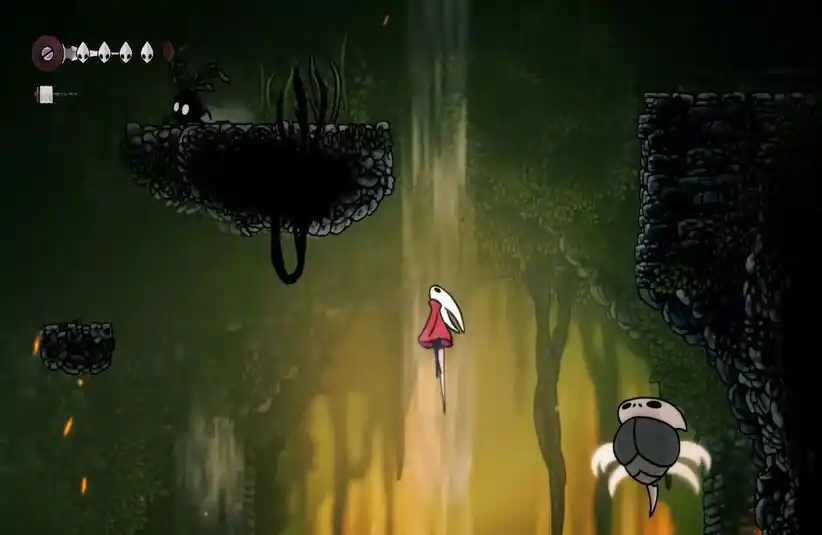
The launch of “Silksong” then felt more like a communal celebration rather than a corporate product drop, becoming a holiday for a specific corner of the internet. The game has refined its combat and expansive new kingdom, which was perfectly designed to feed the very community that sustained it. Moreover, it offered endless secrets in its gameplay for players to uncover together. In the end, its story is a testament to what happens when developers and players operate on a shared wavelength of respect and anticipation.