

Analyzing Dragon Quest’s Longevity Strategy After 40 Years
The gaming community prepares to celebrate the monumental 40th anniversary of Dragon Quest, a testament to its enduring legacy as a cornerstone of the JRPG genre. According to series creator Yuji Horii, who recently reflected on this longevity, the game’s success can be attributed to these core principles: warmth and accessibility. He intentionally crafted welcoming worlds and approachable systems from the very first title, fostering a deep, generational bond with players. With other franchises fading into obscurity, what is the secret sauce that has kept the franchise relevant for four decades?
How a Series Kept Its Heart for Decades
Essentially, Horii credits the series’ emotional warmth—that comforting, nostalgic feeling—as its creative pillar. He designed each “Dragon Quest” as an adventure that players could enjoy with friends or family, even if they’re just asking for grinding help. For Horii, each game feels like a shared language. As he focused on creating a communal, heartwarming experience, the series transcends mere gameplay mechanics.
Fans of the series who may believe that this emphasis on cozy accessibility means the series avoids complexity or challenge shouldn’t worry at all. The genius of Dragon Quest lies in its balance, offering strategic depth within a framework that never feels punishing or alienating to newcomers. Furthermore, Square Enix has teased various announcements for the impending anniversary.
This substantial news has fans eagerly hoping for the long-awaited Dragon Quest XII. The series has stayed active with spin-offs and remakes like the upcoming Dragon Quest VII Reimagined. However, the next mainline entry promises a bold shift toward darker themes. Whether the proposed mature tone and combat overhaul retain the fundamental warmth that defines wins over players is unknown. The developers must ultimately strike a delicate balance in honoring the past while evolving for the future.
The Alchemy of Nostalgia and Innovation
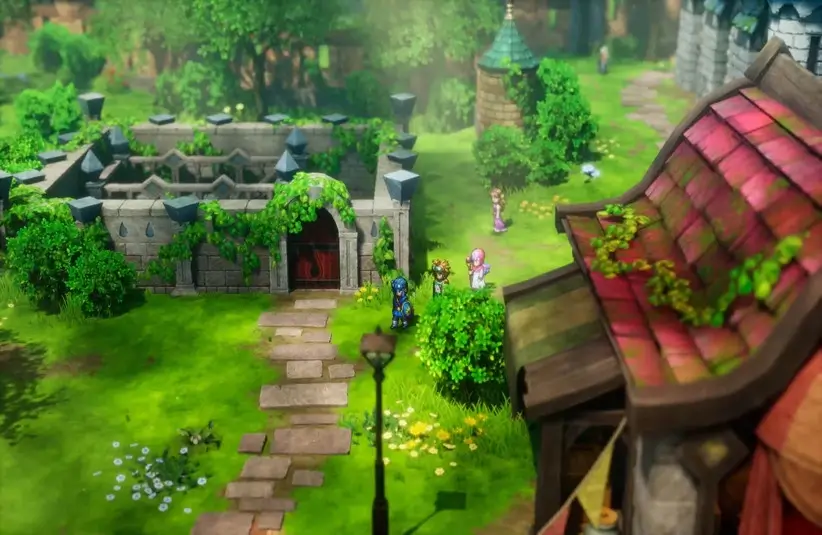
The philosophy behind Dragon Quest has significantly impacted the entertainment industry. Mainly, the game champions emotional accessibility over relentless graphical or mechanical complexity. To build a more loyal and enduring fanbase than a transient spectacle, the game aims to create positive, shared memories. Interestingly, fans have considered the series to be a reliable anchor of comfort and quality in a fast-changing market, a place to return to across different stages of life.
With this approach, other creators are encouraged to prioritize heartfelt connection and clear design. Consequently, this potentially leads to more inviting and less intimidating experiences across media. Not only that, but it also reinforces the commercial viability of nostalgia and consistency, which is why every franchise doesn’t need a radical reboot to stay successful. In a world chasing the next big thing, the immense power of Dragon Quest makes players feel genuinely at home.
Why Dragon Quest Outlived Its Competitors
Looking ahead, the challenge for Dragon Quest is to evolve without losing the soul that Horii so carefully cultivated. These teased announcements have the community anticipating the next chapter or simply celebrating the glorious past. Regardless, the series has already secured its place in the history books by mastering the art of the comforting adventure. Only time will tell whether the secret to another forty years of success is in capturing the same heartfelt magic from previous installments.
For millions of fans, the 40-year reign of Dragon Quest is built on a foundation of deliberate warmth and inclusive design that resonates across generations. The game proves that building a lasting legacy requires emotional connection and accessibility, which are just as valuable as technological innovation. The future of this beloved RPG franchise will depend on its ability to carry its defining warmth forward, no matter how dark the road ahead may become.