Final Fantasy VI Combat Redesign: How a Modern Remake Could Reinvent Battles
If Square Enix ever remakes Final Fantasy VI, the combat system will be the tightrope they have to walk without wobbling. Go too action‑heavy and you lose the strategic identity. Stay too faithful and you risk feeling dated. The sweet spot sits somewhere in the middle — a system that honors the original ATB roots while embracing modern responsiveness, synergy, and spectacle.
Here’s how a redesigned combat system could work without betraying what made Final Fantasy VI special.
ATB 2.0 — The Heart Stays, the Rhythm Evolves
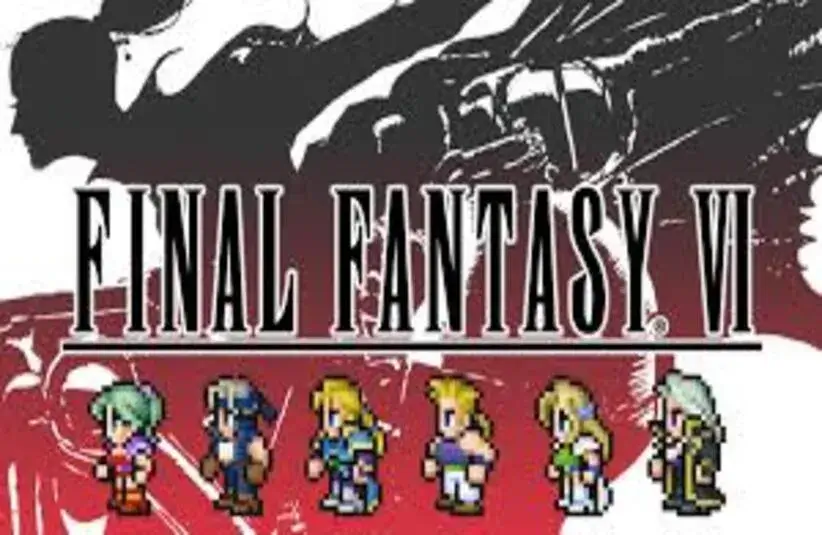
The Active Time Battle system is non‑negotiable. It’s part of the game’s DNA. But a remake can evolve it into something sharper and more dynamic.
Core Principles
- ATB bars remain, but charge speed depends on character roles, buffs, and situational momentum.
- Actions queue instantly, but animations are fluid and interruptible.
- Enemies act on the same timeline, making timing and synergy matter.
- No full action combat, but characters move dynamically within the battlefield.
Think of it as ATB with modern choreography — strategic, not twitchy.
Role Identity — Every Character Feels Distinct
The original FF6 cast is wildly diverse, but a remake could push that even further by giving each character a combat identity that reflects their personality and story.
Examples
- Terra: Hybrid caster with trance‑based burst windows.
- Celes: Magic tank with runic counters and anti‑spell mechanics.
- Sabin: Martial artist with input‑based Blitz combos.
- Edgar: Gadget specialist with deployable Tools and battlefield control.
- Cyan: Stance‑based samurai with charge‑release techniques.
- Shadow: High‑risk assassin with counter‑based mechanics and Interceptor synergy.
- Gau: Adaptive wild‑form specialist with customizable Rage loadouts.
- Setzer: RNG‑themed support with controllable risk‑reward mechanics.
The goal is to make every character feel like a different playstyle, not just a different animation.
Synergy Actions — The Final Fantasy VI Party Finally Feels Like a Team
The original game didn’t have combo attacks, but a remake absolutely should.
How Synergy Works
- Triggered when two characters’ ATB bars are full.
- Based on relationship, story progress, and party composition.
- Not overpowered — more about style, utility, and emotional payoff.
Examples
- Terra + Celes: Twin spell fusion that shifts elements mid‑cast.
- Sabin + Edgar: Brotherly combo that blends Blitz and Tools.
- Locke + Celes: A coordinated strike that reflects their trust arc.
- Shadow + Relm: A subtle, heartbreaking synergy that hints at their connection.
These aren’t gimmicks — they’re storytelling through combat.
Stagger and Pressure — But Not a Copy of FF7 Remake
A stagger system can work, but it needs to be lighter and more strategic.
Pressure Phase
- Enemies enter a vulnerable state when hit with their weaknesses or interrupted at key moments.
- Pressure increases ATB gain and opens tactical windows.
Stagger Phase
- Shorter than FF7R.
- Boosts damage and unlocks special abilities unique to each character.
- Encourages planning, not spamming.
This keeps combat exciting without turning every fight into a stagger‑chase routine.
Unique Command Systems — Modernized, Not Replaced
The original game’s charm came from its quirky command systems. A remake should modernize them, not flatten them.
Sabin’s Blitz
- Input commands stay, but become smoother and more responsive.
- Advanced Blitzes require directional timing, not fighting‑game execution.
Edgar’s Tools
- Tools become deployables with cooldowns.
- Some create zones, traps, or debuffs.
Cyan’s Sword Tech
- Reworked into stances:
- Focus: Slow, high‑damage counters.
- Flow: Faster, multi‑hit techniques.
- Resolve: Defensive, party‑supporting strikes.
Gau’s Rage
- Rages become customizable loadouts.
- Each Rage has a passive and an active ability.
- Gau can switch forms mid‑battle with ATB cost.
Shadow’s Interceptor
- Interceptor becomes a reactive mechanic.
- Shadow can command the dog to attack, defend, or disrupt.
These systems keep the original flavor while giving players more control.
Boss Battles Become Cinematic Strategy Fights
Bosses in a remake should feel like events, not stat checks.
Modern Boss Design
- Multi‑phase encounters with evolving mechanics.
- Environmental hazards that matter.
- Synergy attacks that trigger unique boss reactions.
- Interrupt windows that reward timing.
- Visual storytelling woven into the fight.
Imagine the Phantom Train with dynamic camera sweeps, or the Atma Weapon shifting forms mid‑battle with seamless transitions.
Espers Become Tactical Summons, Not Stat Sticks
In the original, Espers were mostly stat‑growth tools. A remake can give them real presence.
Esper Redesign
- Summons act like short‑duration battlefield events.
- Each Esper grants a passive buff while equipped.
- Summon animations are skippable but spectacular.
- Espers can interact with synergy mechanics.
Ramu, Shiva, and Ifrit become strategic tools, not just pretty cutscenes.
The Combat Loop — Fast, Strategic, and Emotional
A modern FF6 combat system should feel like this:
- Build ATB.
- Exploit weaknesses to pressure enemies.
- Trigger synergy actions.
- Use unique character mechanics to control the flow.
- Stagger strategically.
- Finish with cinematic flair.
It’s still the game you remember — just sharper, deeper, and more expressive.