
The Descent Into End of Abyss Frightens Players With Little Nightmares in 2026
It’s dark, it’s broken, and something is very wrong down here. That’s the elevator pitch for End of Abyss, a new horror adventure that throws you into the bowels of a decaying facility. You play as Cel, a young technician with a bad feeling and worse gear: a basic pistol and a scanner that’s more for poking than shooting. It might not sound like much, but that stripped-down setup is the whole point—keeping things simple so the real horror, and the deep exploration, can creep in. Honestly, who in their right mind signs up for a shift like this?
End of Abyss Crafts Atmospheric Dread
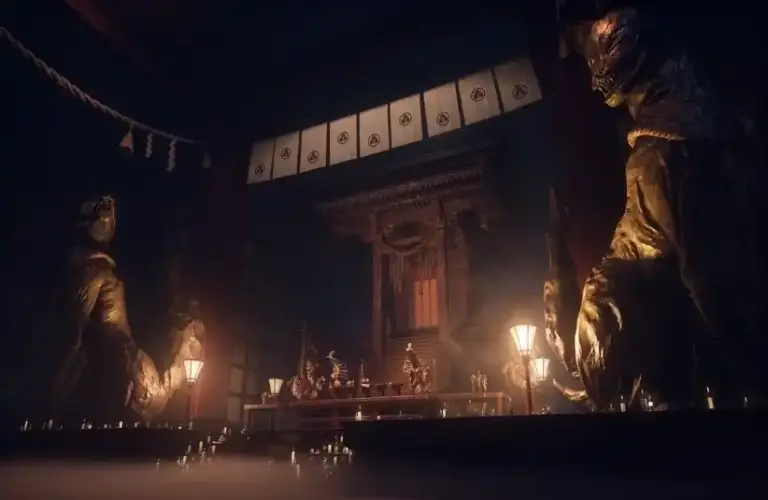
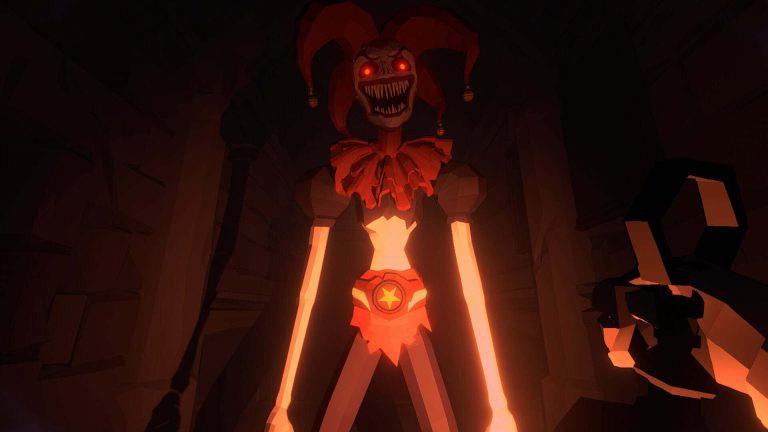
To find the answer, only look into the game’s compelling mix of atmospheric dread and inventive Metroidvania-style progression. End of Abyss creates a world that’s filled with grotesque monsters and dark secrets, all of which are viewed from a dynamic top-down perspective. This approach ultimately makes the protagonist feel small and vulnerable. In every corridor, players can expect both danger and discovery, which promises a tense loop of fear and curiosity.
End of Abyss has interesting roots, being developed by the team at Studio 9 Interactive. This group of developers includes veterans from Tarsier Studios, the creators of Little Nightmares. Their expertise ultimately explains the shared DNA of pleasingly creepy aesthetics and superb sound design. However, the initial concept for End of Abyss was actually quite different.
The game initially started as a faster, cartoony action game before evolving into its current, darker form. This significant shift toward a more serious horror tone wasn’t something that was just thrown together. For the developers, exploring the relatively empty space of top-down Metroidvanias, combined with inspirations drawn from classic sci-fi horror films and seminal anime, was the plan from the beginning. With this approach in development, End of Abyss’ atmosphere is deliberately slow and oppressive, forcing players to navigate its horrors carefully.
Navigating Horrors With a Quality-of-Life Tool
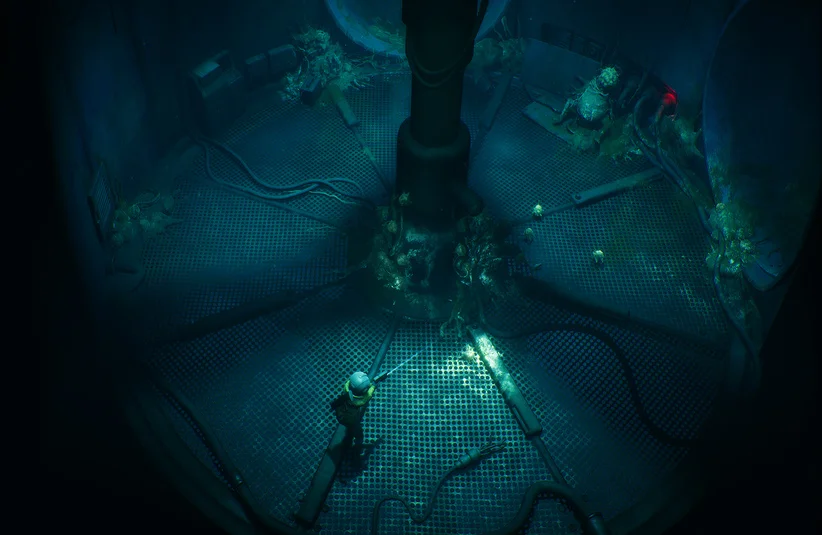
The journey through this terrifying game is meant to be a methodical, unsettling crawl, not a frenetic sprint. Horror has always been known for its weapons, and Cel’s scanner tool is a clever innovation. For years, many Metroidvania games have left players feeling lost, prompting excessive backtracking without a clear purpose. To mitigate this challenge, players use the scanner to mark points of interest on their map, making the labyrinthine world more manageable.
Who knows how many frustrating hours have been spent in other games just trying to remember where a locked door was? Thankfully, End of Abyss cares enough about its players to spend more time having fun while playing it. This quality-of-life feature ensures that the game’s focus remains on tension and exploration, rather than on tedious navigation. For careful players, the tool also feeds lore and environmental storytelling that offers deeper insights into the decaying world. Interestingly, this smart solution respects the player’s time while enhancing immersion.
The Pleasantly Creepy Aesthetics of Horror
The fighting in End of Abyss feels tense and deliberate. With simple twin-stick aiming, you have control, but it all goes sideways the moment a swarm of creatures or some hulking, many-limbed horror decides you look like lunch. The camera even pulls in and shifts around during these moments, making you feel totally exposed and surrounded. As a result, every encounter becomes a tactical puzzle that must be solved.
You might need to adjust to this slower, more deliberate pace, especially if you’re someone who lives for high-octane action. Its success mainly hinges on whether its atmospheric dread and exploration can satisfactorily compensate for its restrained combat. End of Game is a bold experiment in mood and genre convention, offering thrills through its world rather than combat. In the end, players should prepare themselves for a distinct and memorable journey into the heart of its namesake abyss.