Geometry Dash Reaches Peak Performance on a Retro Beat While Soaring Up the Player Charts
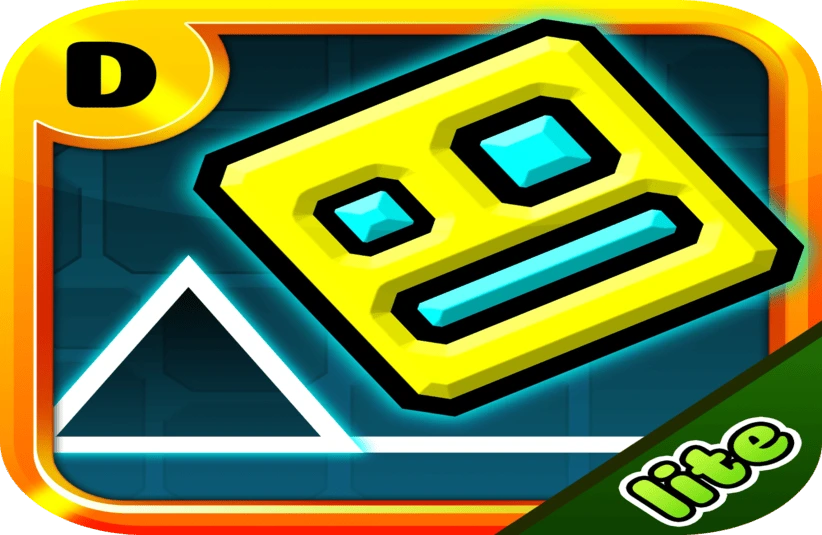
Geometry Dash, the iconic rhythm-based obstacle course from a bygone era, has just shattered expectations. The twelve-year-old indie game has broken its own Steam concurrent player record, cresting above 103,000 players over the weekend. That number, as verified by tracking sites, allowed it to casually surpass billion-dollar franchises like Call of Duty on the Steam charts. How is this even possible?
Geometry Dash Breaks Its Own Record
A game this old is not supposed to experience a second wind, especially without a major update. The surge is being described as entirely organic, a true community-driven phenomenon. As a result, a fascinating case study is being written in real-time. This new peak completely demolished the previous record, which was itself set just last year following the long-awaited Update 2.2.
Momentum has been stubbornly maintained, with daily player counts stabilizing at a level that would make most modern studios envious. When you stop to think about it, the scope of this whole revival just gets wilder. That 100,000-player milestone on Steam is actually just the tip of the iceberg. See, this game has been a staple on phones for ages, and that’s where the numbers really blow up.
When you add all those mobile players into the mix, some estimates have the daily user count soaring past 1.7 million. Let that sink in for a second. And financially, it’s the definition of a silent powerhouse. For a game that costs less than a fancy coffee, it’s still pulling in serious cash month after month, proving you don’t need a $70 price tag to be a total juggernaut. Its “Overwhelmingly Positive” rating across hundreds of thousands of reviews suggests a timeless appeal.
A Masterclass in Organic Growth
The most baffling part of this whole story is the complete lack of a traditional catalyst. No new expansion was released, nor was a sale announced by the developer. The explosion for Geometry Dash appears to have been sparked on social media platforms like TikTok, where short, thrilling clips of user-created levels have gone massively viral.
A new generation has discovered the game’s surprisingly robust level editor, which has been turned into a platform for creating mini-games, horror experiences, and art. Consequently, the community itself is the engine of this growth, constantly feeding the content beast. This places the single developer, Robert Topala, in a unique position.
Look at it this way: the game RobTop built has basically become unkillable, thanks entirely to the people playing it. He’d go quiet for years at a stretch, and instead of fading away, the community just got bigger and weirder. Makes you wonder, doesn’t it? Maybe the real secret sauce for an indie game isn’t a frantic update schedule, but just giving players the right set of digital Legos and getting out of the way. It certainly highlights the incredible value of providing powerful creative tools.
Legacy Defined by Player Creation
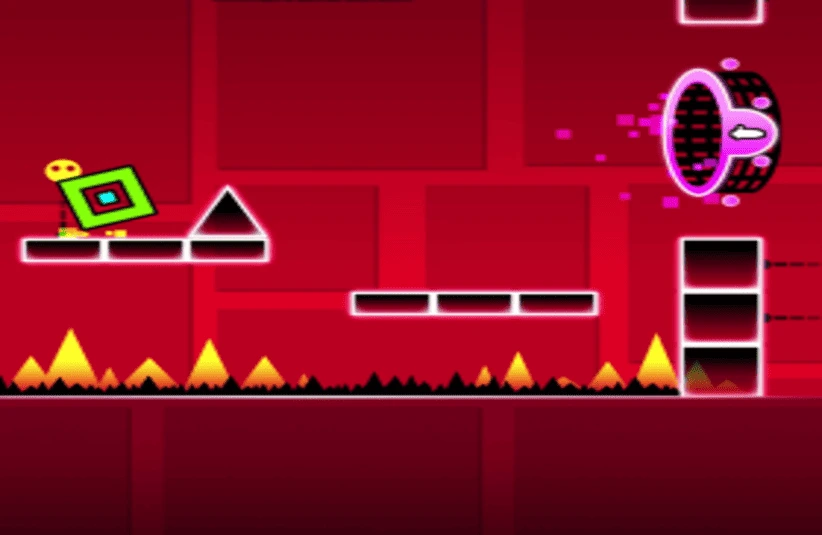
The experience of Geometry Dash is now infinitely modular, rebuilt daily by its most dedicated fans. Their relentless creativity is the only marketing campaign the game has ever needed. So what’s the big takeaway for everyone else making games? It’s kind of obvious, but also really easy to miss. You’ve got these huge studios pouring fortunes into making things look real and inventing new ways to charge players, and yet here’s this little game about hitting a cube in time with a beat that’s somehow winning.
The whole Geometry Dash phenomenon really just shows that raw, punishing gameplay and handing the keys to your fans is an unbeatable combo. It’s living proof that if you get that core gameplay loop just right and let people build their own fun, your game can become practically immortal. You gotta wonder why that’s such a hard lesson to copy. Feels like every forgotten, over-designed blockbuster is a ghost haunting the pristine, neon corridors of Geometry Dash. The fact that this game is not just alive, but thriving, after all this time, really is a little bit of magic.
A Blueprint for Indie Immortality
So what’s the final takeaway from all this? It’s that Geometry Dash is basically a monument to the idea of “gameplay first.” This whole record-breaking thing didn’t happen because of some flashy ad campaign; it happened because people fell in love with making and sharing their own insane levels. The tools were dropped years ago, and the community just never stopped building.
It really makes you think, doesn’t it? Maybe players are hungrier for pure creativity and a good challenge than for the next big-budget cutscene. For a handful of bucks, you’re buying into a near-endless stream of content made by people just like you. In the end, Geometry Dash stopped being just a game a long time ago. It’s a living, breathing platform that somehow becomes more relevant as it ages.