

Nvidia’s CEO Battles the Boogeyman AI Narrative
NVIDIA finds itself in the odd position of defending the very industry it powers from excessive pessimism. The company’s CEO, Jensen Huang, recently expressed frustration with what he calls a doomer narrative surrounding artificial intelligence. Why is the leader of a corporation valued at over four trillion dollars so concerned about public opinion?
Huang’s Case for Boring, Beneficial AI
His comments were made during a podcast appearance where the speculative concept of a God AI was discussed. Huang firmly dismissed the near-term feasibility of such an omnipotent system, arguing that the ability to master all complex human and scientific languages simply does not exist yet.
Instead, he advocates for a more practical view of AI as merely the next evolution of computing, a tool desperately needed across countless industries to solve real problems today. He considers the relentless focus on a scary, monolithic superintelligence to be super unhelpful and even extremely hurtful to technological progress. Could this constant fear-mongering actually prevent society from reaping tangible benefits?
Huang wonders about the reasons people have for pushing such an extreme, science-fiction version of the future. In his view, all that gloom-and-doom talk does real harm; it puts a drag on the industry’s progress and just leaves the average person confused and anxious. Sure, he likes a thrilling sci-fi tale as much as the next person—who doesn’t? But he’s adamant that you can’t run a company or craft sensible regulations based on the plot of a blockbuster movie. Using that as a guide, he insists, is a surefire way to stifle any useful innovation before it even gets started.
Charting a Path for AI Adoption, Not Alarm
All this talk from Nvidia happens while very real worries from the public keep bubbling up. People are genuinely anxious about their jobs being replaced or about not being able to trust what they see online anymore. These are serious concerns that you cannot just wave away. You can see the split in how people view the company and its tech in messy situations like that game having its award taken back for using AI.
Maybe what it all comes down to is a tug-of-war between how we feel about it and what we can actually do with it. What Huang is really asking for is a grown-up conversation, one that gets excited about the good stuff while still keeping an eye on the risks we can actually handle. His point is that we have to steer the discussion back to reality, away from the wild movie plots. The world’s problems need solving next week and next year, and that work has to continue, dread or no dread.
Building the Next Evolution, Without the Dread
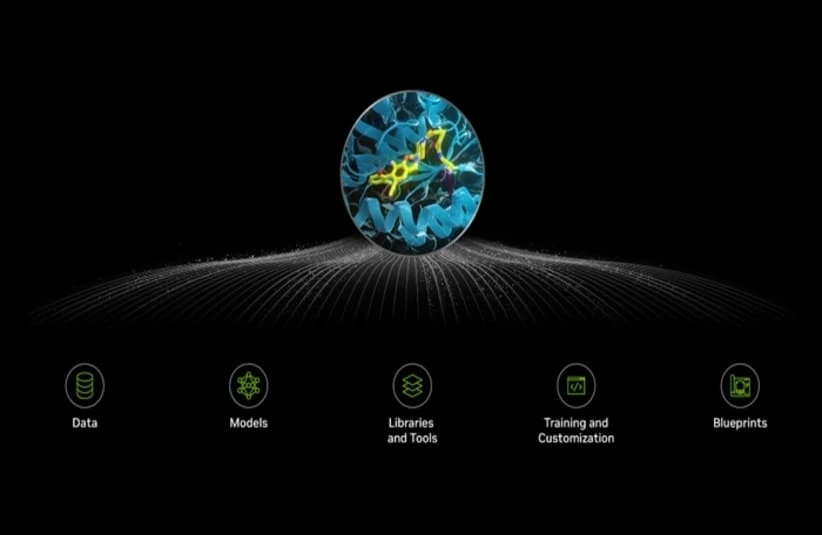
NVIDIA’s CEO is really trying to sell a story of hopeful realism, focusing on AI’s role as a collection of handy tools instead of some kind of ultimate bogeyman. This isn’t just philosophical—it’s straight-up business. The company builds the literal groundwork for this AI surge, so if everyone gets too spooked, it could put a dent in their own high-flying plans.
You have to wonder, will investors stick with Nvidia if the public mood turns firmly against the technology? Huang’s core point is that we can’t let scary stories about tomorrow stop us from building helpful things today. So, for better or worse, what happens next for Nvidia is tied just as much to the tale they tell as to the chips they make.
NVIDIA’s Fight for Its Own Future Story
In wrapping things up, it’s clear that Jensen Huang is really pointing out a cultural standoff—we’re racing ahead with technology while nervously looking over our shoulder. He’s convinced that all the doom and gloom talk isn’t just background noise; it actually puts a drag on real innovation and keeps helpful AI tools on the shelf. For Nvidia, the vision has always been less about science fiction and more about steady, useful upgrades that different sectors can actually use.
Sure, people have every right to be wary, but from where Nvidia sits, those fears are kind of ahead of the actual tech curve. What’s needed now, more than ever, is a down-to-earth conversation that doesn’t ignore the tough stuff but also doesn’t get lost in fantasy. At the end of the day, Nvidia’s path forward isn’t just about making better chips—it’s about convincing everyone that a future with AI can be both amazing and sensible.