
Return to Silent Hill Was Heavily Inspired by Greek Myth and Russian Literature
Return to Silent Hill is the newest film in the Silent Hill franchise to be released later on this week, on January 23, in theaters everywhere. This film will stand independently of the previous films and serve as a full adaptation of the second Silent Hill game in the series.
Through many of the scenes we’ve seen in the trailers, it’s clear that director Christophe Gans made deliberate decisions about how to present this film, ensuring that long-time fans of the series would be satisfied and that the film would stand on its own. Both the original game and this film take a lot of inspiration from Greek mythology and Russian literature, and here’s what kind of stories inspired the making of Return to Silent Hill.
Greek Mythology in Silent Hill
Greek mythology has always been a great source of inspiration in storytelling, and the Silent Hill series is chock-full of Greek mythology influence. Many scholars have likened the Silent Hill 2 storyline to the Greek romance tragedy of Orpheus and Eurydice, which tells the myth of Orpheus, a talented musician who charmed the Gods so much that he was granted his wish to reunite with his dead wife, Eurydice. However, he tragically loses her forever because he broke the condition not to look back at her until he reaches the surface.
Some scholars have interpreted the original myth as a meditation on the nature of grief, with Orpheus’ trek into the underworld being more about coming to terms with the death of Eurydice than actually defying the will of the gods and bringing her back, much like how James’ journey through Silent Hill is more about battling his own demons than finding Mary.
Now, this isn’t a direct interpretation of the Greek tale; however, many parallels can be made between the two main protagonists of each story. Both protagonists are on a quest to bring back their dead lover, and they have to go through many trials to do so. In the end, both Orpheus and James fail to accomplish their goal, another parallel between the two stories.
Taking Inspiration From Russian Literature
Aside from the Greek interpretations found in the game, it is from Silent Hill 2 cinematics director, Takayoshi Sato, that the devs took a lot of inspiration from Russian literature, specifically from Fyodor Dostoevsky’s 1866 novel Crime and Punishment. The novel explores themes of guilt, redemption, nihilism, and the conflict between rationalism and faith.
These are experienced by the main character, James, who suffers from being trapped in his own psychological prison while in the town of Silent Hill. James struggles with his morality throughout his journey, and this is a major plot point that parallels the Russian novel, whose main character, Raskolnikov, also struggles with the line between right and wrong and faces the consequences of his actions.
How Are They Portrayed in Return to Silent Hill?
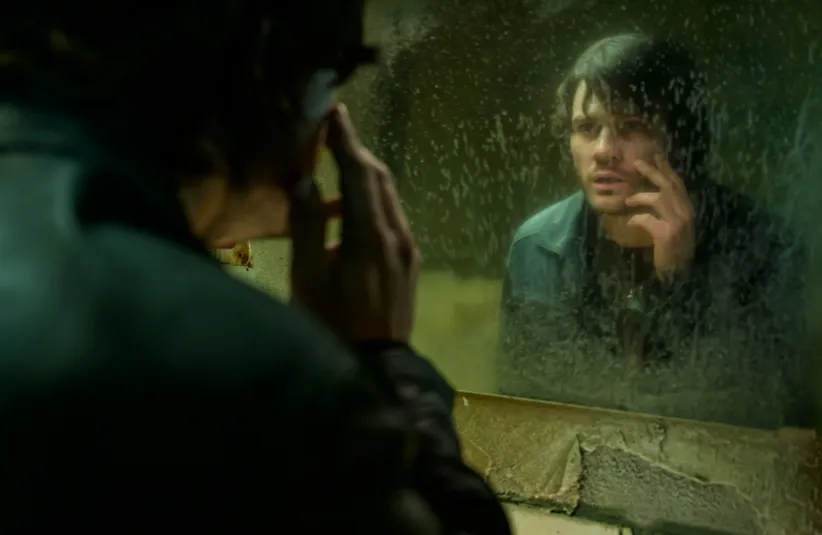
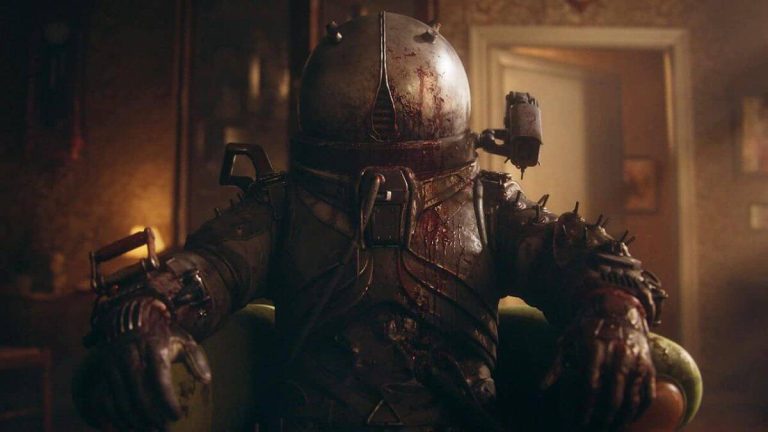
From the trailers of Return to Silent Hill, James Sunderland seems just as hell-bent on finding Mary just as much as Orpheus is in the Greek myth. The way the trailers have shown off a more game-accurate Pyramid Head suggests that Gans has taken very good care in portraying these literary influences in this film adaptation, and we can definitely see that this film is ripe with torment and hellish monsters that would capitalize on your deepest traumas.
Many fans are worried about whether or not Gans will do Silent Hill 2 justice, especially with how previous films weren’t so well-received. However, this is the first live-action film to directly adapt a Silent Hill game in its entirety, so there is high hope for this adaptation. Return to Silent Hill will be released in theaters everywhere on Friday, January 23, so don’t miss out on this horror experience.