Top 8 Greatest Hoaxes In Video Games
Video games, like any other major form of entertainment, lend themselves to a wide range of rumors and speculation from people who are eager to find the “new thing” that will occupy their time, attention, and/or wallets. However, such rumors and speculations also create opportunities for hoaxes and other falsehoods to circulate (be it blatant disinformation or overgrown urban legends): today, let’s take an in-depth look at some of the most infamous hoaxes you’ll probably see.
8. The 17th Colossus (Shadow of the Colossus)
Placing this entry here since there’s something of a retroactive precedent to it after the discovery of multiple unused colossi, one of Shadow of the Colossus‘ biggest urban legends involves the supposed existence of a hidden “17th colossus” that players could find and battle by exploring more thoroughly in the overworld than intended (or allowable within the in-game physics). Two of the most popular forms of this hoax entailed either successfully climbing to the very top of the (extremely tall) Shrine of Worship or swimming far enough in the ocean to trigger a special encounter with a giant serpent.
7. Finding Luigi (Super Mario 64)
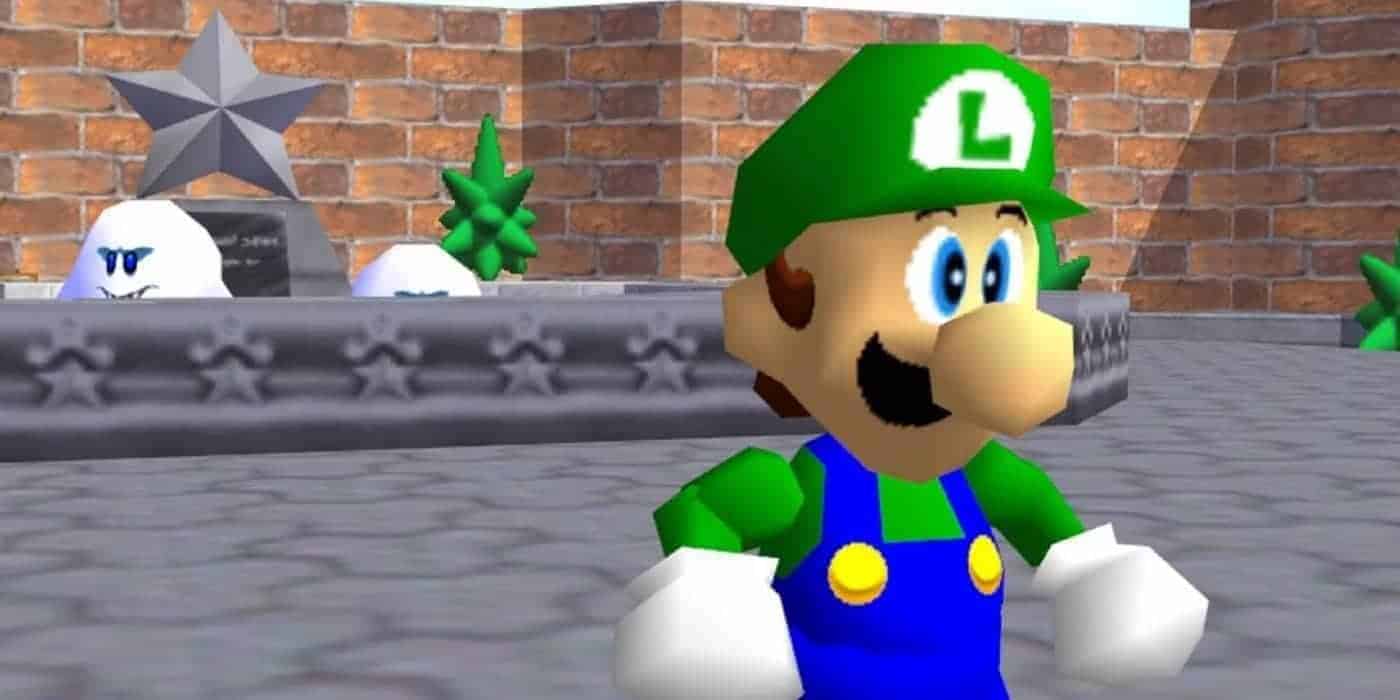
In a similar vein to the entry above, the supposed inclusion of Luigi as a hidden “unlockable” character in 1996’s Super Mario 64 became a major point of debate and discussion with the game’s fandom, as fueled by the reading of an (extremely blurry) inscription on a plaque adorning a statue in the castle courtyard as “L is real 2401.” However, it would be revealed many, many years later in 2020 that Luigi did have a full character model buried in the source code of the game’s prototype build: made inaccessible – and outright removed from the final release – due to memory constraints.
6. Akuma Busts Loose (Resident Evil 2 [1998])
Included as a notorious April Fool’s gag in the pages of high-profile gaming magazine Electronic Gaming Monthly‘s spinoff EGM2 (supplemented by then-convincing fake screenshots), this hoax alleged that Street Fighter‘s Akuma could be unlocked as a playable character in the original 1998 version of Resident Evil 2. As with another entry on this list, the “believability” of this hoax was not only supported by ostensibly normal-sounding steps to trigger it (in tandem with the aforementioned “screenshots”) but was also presented back when it was near-impossible to verify via online sources.
5. Rankles the Otter (Sonic & Knuckles)
Going from one magazine-focused prank to another, the (very obviously) fake “Rankles the Otter” was featured in an issue of the U.K. edition of Sega Magazine – with a “bounty” of 1M pounds given to the first person providing “photographic evidence” of Rankles in Sonic & Knuckles. Despite the image of Rankles clearly being a poorly done edit of existing artwork of Knuckles (and a disclaimer at the bottom of the article fully admitting that the whole thing was a joke), the magazine actually received letters from younger readers asking how to “unlock” Rankles and see him for themselves.
4. The Secret “Ambulance” Ending (Silent Hill)
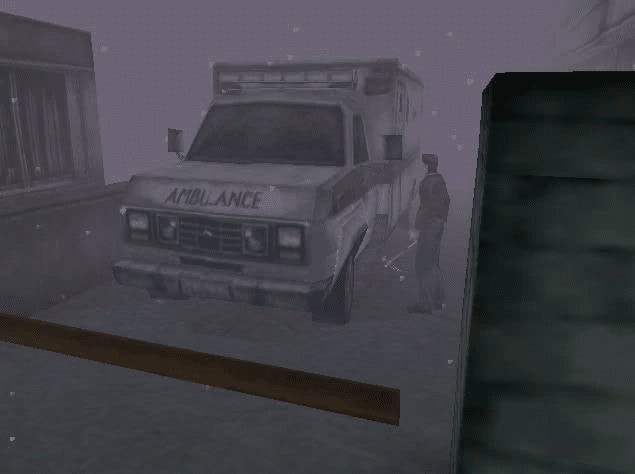
While the 1999 PS1 game Silent Hill definitely has numerous story/gameplay secrets and surprises tucked away in its overworld (including additional items and special weapons available to collect in subsequent playthroughs), chatter on GameFAQs and other older gaming-focused message boards alleged a special “hidden” ending where players could leave the town via an ambulance. Despite being completely false, the then-limited availability of online resources to debunk it – as paired with the seemingly believable “steps” needed to unlock it – allowed the hoax to thrive for a short period.
3. Mew’s Hiding Place (Pokémon Red & Blue)
In yet another example of a gaming hoax being perpetuated due to the then-limited accessibility and availability of online resources to verify/debunk it, the infamous “Mew Under the Truck” rumor entailed the supposed “secret” inclusion of Mew in Pokémon Red and Blue. According to this rumor, it was possible to “find” Mew under a truck that is unreachable under normal gameplay parameters (with some circumventing this and finding nothing); however, in a nice little reference to this urban legend, players can find a Lava Cookie under the same truck in the FireRed and LeafGreen remakes.
2. Top-Secret Location (GoldenEye 007)
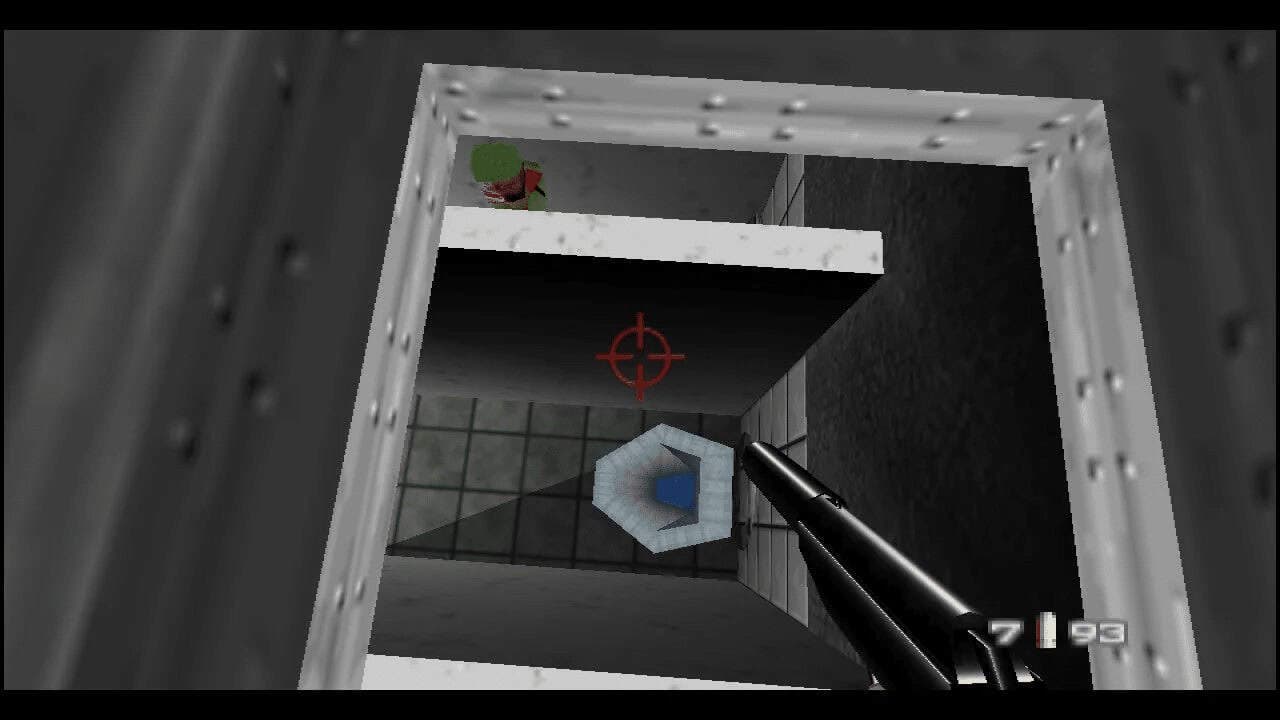
Much like the supposed “inclusion” of Mew discussed above, the seminal N64 classic GoldenEye 007 also featured a noticeably inaccessible location (in this case, an island visible off in the distance of the game’s dam level), leading many to speculate that there was some sort of “secret” to (and presumable “reward” for) successfully unlocking it. Again, however, this area is not reachable under normal gameplay circumstances (with coding manipulation also revealing absolutely nothing); furthermore, the developers would clarify that the island was merely just a leftover asset from a scrapped mission.
1. Phantom of the Video Arcade (Polybius)
One of the most enduring – and surprisingly complex – gaming hoaxes is the supposed 1981 release of the mysterious arcade game Polybius: heavily steeped in both urban legend and conspiracy theory, stories claimed that the “few” publicly available Polybius cabinets were routinely checked on by MIBs (possibly to gather data on “addictive” effects). However, while the entire existence of – and detailed lore surrounding – Polybius is very clearly just a hoax, it’s still frequently brought up in many gaming circles (with some even going as far as developing “facsimiles” of the game to perpetuate the legend).