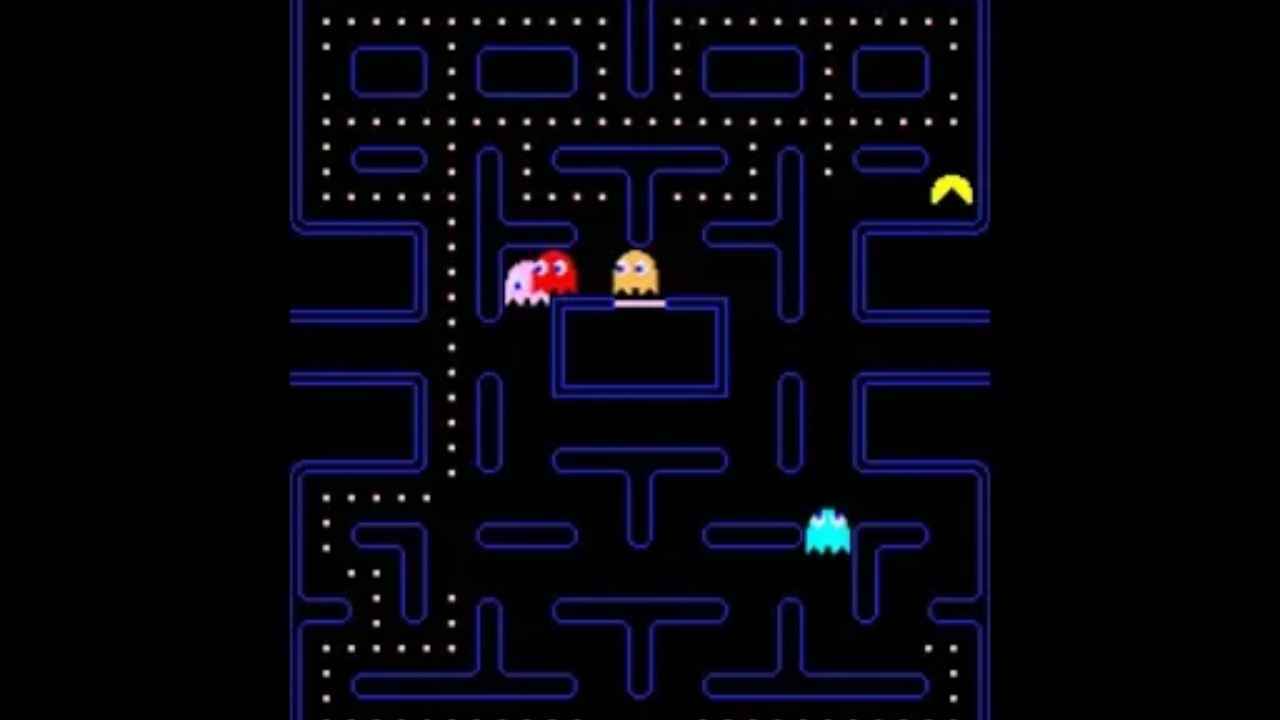
Happy Birthday, Pac-Man! A History of the Beloved Dot-Muncher as He Turns 45
Pac-Man turns 45 on May 22. Even if you weren’t around during the arcade’s heyday, you know Pac-Man. The little yellow circle has been munching dots and running from ghosts in a massive franchise that still goes strong today. Now seems to be a good time to look back on how the dot-muncher got his start and why he continues to resonate with gamers.
Pac-Man Begins in the Arcade
The Pac-Man franchise has hit almost every system you can imagine, but it started in the good old arcades. The original arcade game was created by Toru Iwatani, who wanted to make a game that appealed to everyone: men and women, children and adults. He went for a simple concept with colorful character designs meant to have broad appeal. In Japan, the game was titled Puck-Man; however, the name was quickly changed in the US due to concern about players defacing machines by changing the “P” to an “F.”
Arcade Success and Sequels
The game was a massive hit, selling over 100,000 arcade machines in its first year and grossing over $1 billion. Remember, it costs only a quarter to play, so think about how staggering that number is. It would become one of the first true arcade franchises, spawning numerous sequels.
The first sequel to hit arcades was Ms. Pac-Man in 1981, which has become almost as iconic as the original game. However, it wasn’t originally designed as a sequel. Initially, General Computer designed the game as Crazy Otto, a mod of the original Pac-Man game. The mod was purchased by Midway, who distributed the original game in North America and released it as a sequel. Like its predecessor, it became a huge hit, with many people considering it superior to the original.
Other arcade sequels include Super Pac-Man, where he could eat “super pellets” to grow huge, Pac & Pal, where the dot-muncher worked with his friend Miru, Baby Pac-Man, a hybrid of a video game and a pinball machine, Professor Pac-Man, a trivia game, Jr. Pac-Man, which featured scrolling mazes, Pac-Land, an early side-scrolling platformer, and Pac-Mania, which introduced isometric 3-D graphics and the ability to jump.
Beyond the Arcade
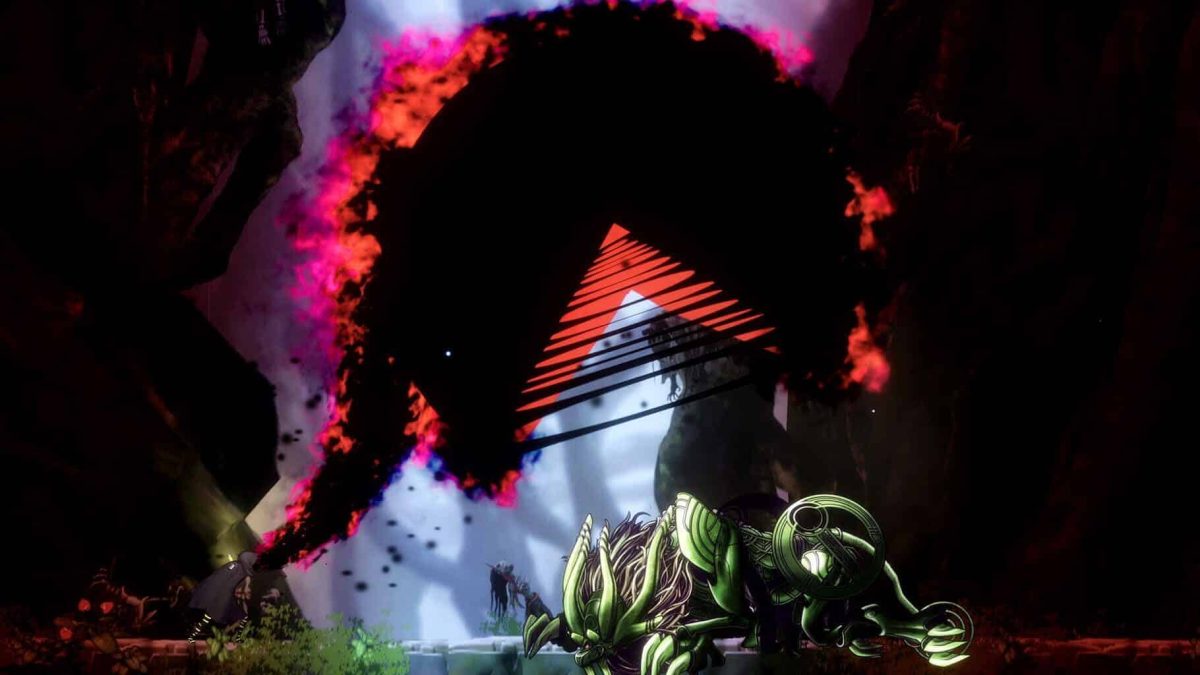
In addition to home console ports, the franchise eventually released entries that were exclusive to the home. Some notable home games include the 3-D platformer Pac-Man World and the point-and-click-style game Pac-Man 2: The New Adventures. These games showed that the game’s appeal went beyond simple maze games. Today, he continues to star in new games such as Pac-Man: Championship Edition and Pac-Man 256, which add new twists to the classic gameplay. Now, there is even a metroidvania called Shadow Labyrinth, which puts a darker spin on the franchise.
What Makes It So Appealing?
45 years later, the yellow circle’s fame hasn’t wavered. He has even appeared in movies such as Wreck-It Ralph and Pixels, and people who have never played video games still know who he is and what you do in his game. So why is he still around? Well, I think it comes down to simplicity. His design is simple (you can’t get much simpler than a yellow circle with a mouth), the game concept is simple, and the gameplay is simple. Anyone can stand at that arcade machine and figure out what to do. Iwatani wanted a game with broad appeal, and he definitely succeeded.
Conclusion
I still remember playing Ms. Pac-Man in a laundromat when I was four years old. Though Dig-Dug and the original Mario Bros. were also available, I gravitated towards eating my way through that maze and ducking the ghosts. The game’s universal appeal will never falter, and when our divided, social media world feels like too much, we can escape into that maze and feel like, yes, we can do it. We can escape the ghosts.