Shocking Splinter Cell’s Development Was Rough—Chaos Theory Made It Right
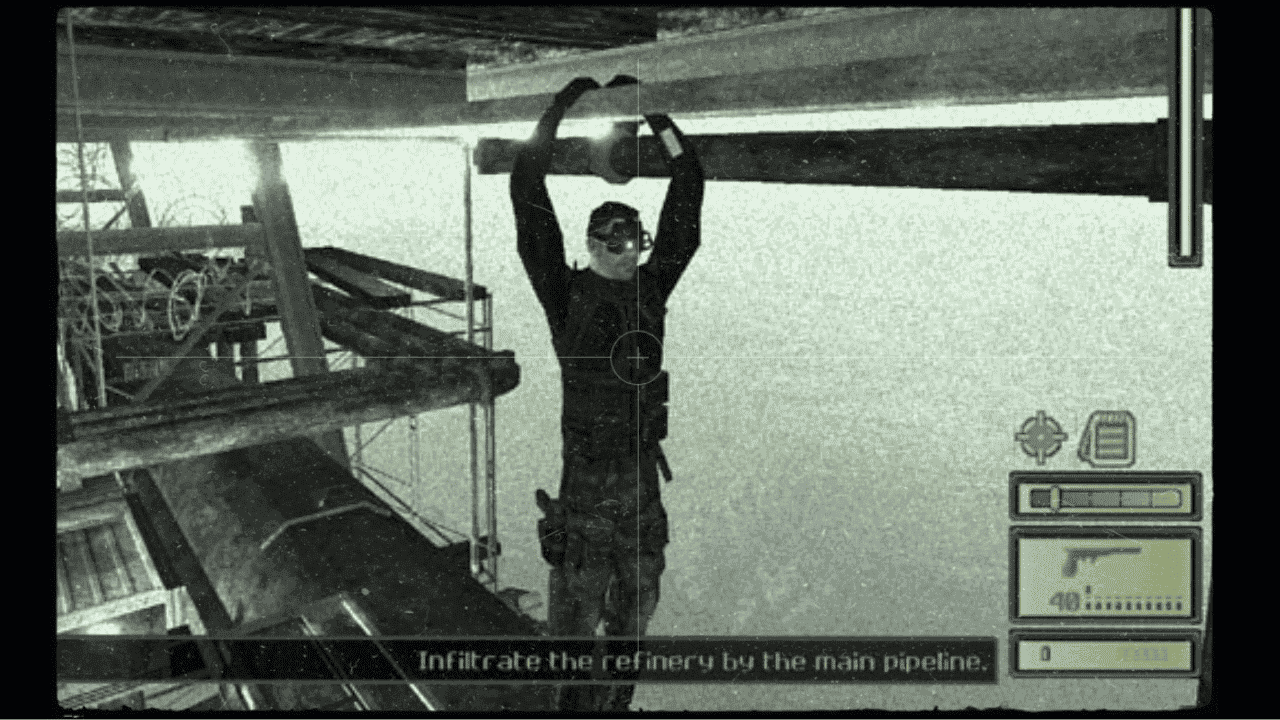
It might surprise a lot of fans to learn that Splinter Cell was a tough game—not just to play, but to actually make. According to creative director Clint Hocking, development on the first title was so rough that it forced the team to rethink everything for Splinter Cell: Chaos Theory. And honestly? It paid off.
Hindsight Hits Hard
Speaking with Edge magazine, Hocking didn’t sugarcoat it:
“The development on the first game had been very, very difficult.”
He added that many of the developers who moved onto Splinter Cell: Chaos Theory believed, in hindsight, that they “could have done much, much better.”
Why? Because, as Hocking put it, the team had “failed as designers and developers to anticipate how the game would actually play.” What seemed like clever stealth mechanics on paper didn’t translate well in practice, often offering no real freedom or alternative paths.
Too Little, Too Late
By the time they realized their mistakes, Hocking said, it was too late to do anything but “force a mission failure” whenever a player deviated from the one intended path. That rigidity is exactly what Splinter Cell: Chaos Theory was determined to correct.
In fact, Splinter Cell: Chaos Theory takes a small jab at its predecessor early on, when Sam Fisher is told, “he’s not in a video game.” It’s a brief, slightly awkward fourth wall break—but it showed that the devs were aware, and were working on a fix.
Fixing the Formula
“The core game experience did not change significantly [from the original Splinter Cell],” Hocking said, “but it was very clear to us what was working and what needed to be fixed.”
Their new goal? Deliver the game with a high degree of quality and polish—everything they felt was missing the first time around. They also unified story and level design from the start, which helped shape Splinter Cell: Chaos Theory into one of the franchise’s most beloved entries.
That effort shows. Splinter Cell: Chaos Theory holds an impressive 94% score on Metacritic for its Xbox version, and Hocking himself admits there was little he could’ve done to improve it further.
Final Thoughts: Learning From the Past
It’s refreshing to see devs who recognize mistakes, admit them, and then actually do better in the sequel. The fact that Ubisoft Montreal used those early stumbles to create a more polished, satisfying experience is something a lot of studios could learn from.
And if Hocking’s track record is anything to go by—with Far Cry 2 and the upcoming Assassin’s Creed Hexe under his belt—we might want to keep an eye on his next “difficult” project.