
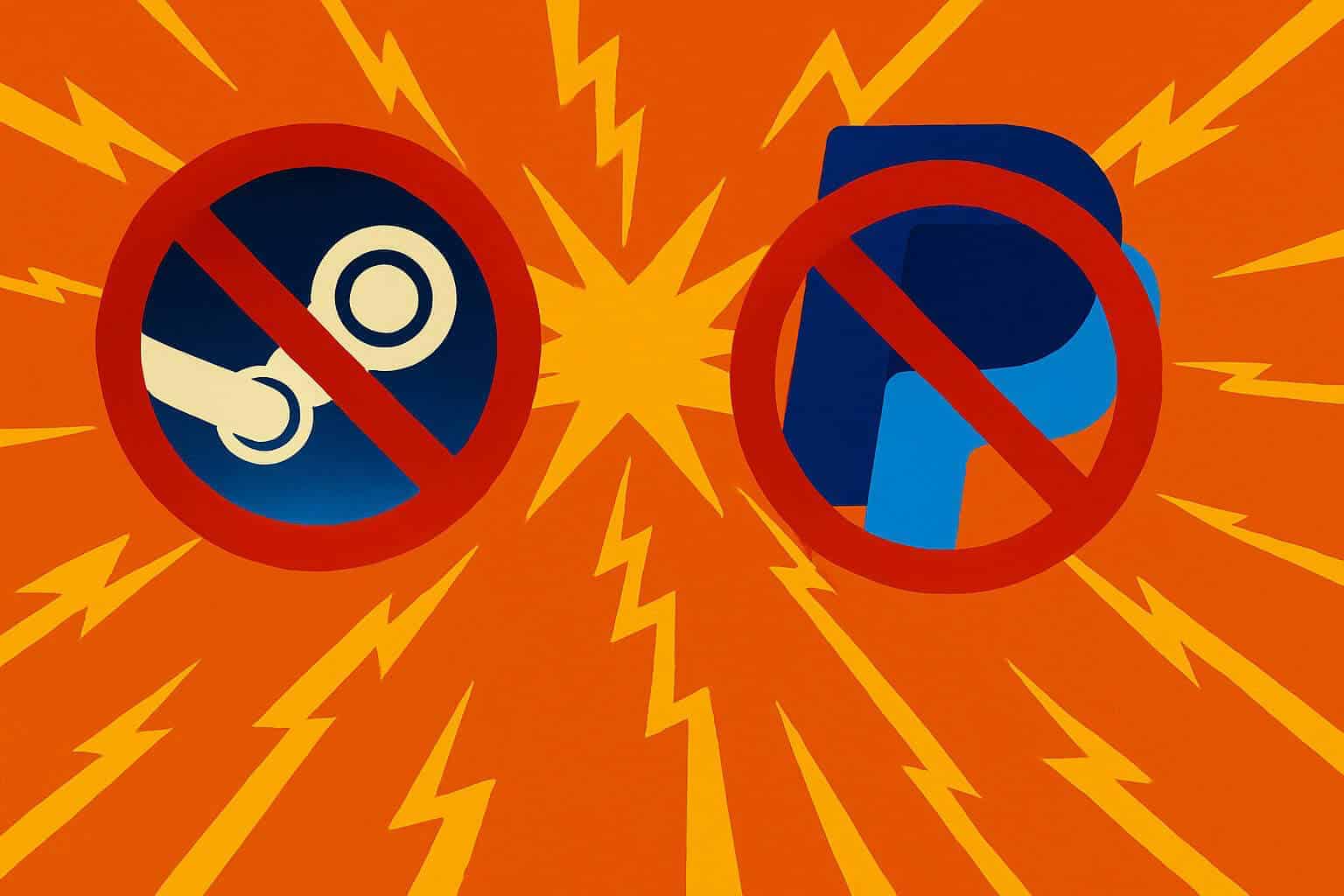
PayPal and Steam Are Having a Currency Crisis (And Gamers Are NOT Happy)
Look, we’ve all been there. You’re scrolling through Steam, eyes locked on that sweet, sweet game that’s finally on sale, and you go to checkout with your trusty PayPal account… only to get smacked in the face with a payment error. What gives?
Well, turns out PayPal and Steam are having what I can only describe as a very public, very messy breakup when it comes to currency support. And guess who’s caught in the crossfire? That’s right—us gamers who just want to buy our digital goodies without jumping through seventeen different hoops.
The PayPal Steam Payment Disaster Nobody Asked For
Here’s the tea: PayPal Steam integration has become about as reliable as a chocolate teapot. While Steam boasts support for multiple currencies across different regions, PayPal decided to throw a wrench into the works by limiting which currencies they’ll actually process for Steam transactions. Because apparently, making our lives easier isn’t on their priority list.
The most infuriating part? This isn’t some small technical hiccup that’ll be fixed by next Tuesday. We’re talking about a systematic issue that’s affecting gamers worldwide, and honestly, it’s getting ridiculous. You’d think two major digital platforms could figure out how to play nice together, but here we gamers are, suffering in the bloodshed!
Steam Currencies: A Love-Hate Relationship
Steam has always prided itself on being globally accessible. They support Steam currencies ranging from USD and EUR to more regional options like Turkish Lira and Brazilian Real. It’s actually pretty impressive how Steam has managed to cater to gamers across different economic landscapes.
But here’s where things get spicy: PayPal isn’t keeping up with Steam’s currency game. While Steam cheerfully accepts your local currency, PayPal might just shrug and say, “Nah, we don’t feel like processing that today.” It’s like showing up to a potluck with a main dish only to find out the host decided they don’t like your cooking anymore.
The really maddening thing is that Steam’s currency support was supposed to make gaming more accessible globally. Instead, we’re stuck dealing with payment processors who seem to think supporting multiple currencies is some kind of impossible feat. Newsflash: it’s 2024, not 1995.
Steam Payment Methods: When Plan A Fails Spectacularly
So what happens when your go-to Steam payment methods suddenly stop working? Well, you get creative (or you get frustrated—probably both).
Steam offers plenty of alternatives: credit cards, debit cards, Steam Wallet codes, and even some regional payment options. But let’s be real here—many of us have been using PayPal for years because it’s convenient, secure, and we don’t have to enter our card details every single time we want to make a purchase.
The irony is thick here. Steam has actually expanded their payment options over the years, adding everything from mobile payments to cryptocurrency in some regions. Meanwhile, PayPal—a company whose entire business model revolves around making online payments easier—can’t seem to handle the basics.
The Real Impact on Gamers (Spoiler: It Sucks)
This whole PayPal Steam currency fiasco isn’t just an inconvenience—it’s actively hurting gamers, especially those in regions where PayPal was one of the few reliable payment options. Imagine living in a country where your local banks don’t play well with international transactions, and PayPal was your lifeline to the Steam store. Now that lifeline is about as dependable as a screen door on a submarine.
Regional gamers are getting hit the hardest. While North American and European users might just shrug and pull out a credit card, gamers in other regions don’t always have that luxury. Some are resorting to Steam Wallet codes purchased through third-party retailers, which adds extra steps and often extra costs to what should be a simple transaction.
What This Means for the Future
Honestly? This whole situation highlights a bigger problem with digital storefronts and payment processors not getting their act together. We’re living in an increasingly connected world, yet we’re still dealing with payment systems that feel like they were designed by people who think the internet is just a fad.
Steam has shown they’re committed to global accessibility—their currency support proves that. But if payment processors like PayPal can’t keep up, we’re going to keep running into these brick walls. And frankly, it’s getting old fast.
The silver lining? This mess might finally push more innovative payment solutions to the forefront. Maybe we’ll see Steam develop their own payment processing system, or maybe other companies will step up to fill the gap that PayPal seems determined to create.
Until then, we’re stuck playing payment method roulette every time we want to buy a game. Because apparently, in 2024, the hardest part of gaming isn’t beating the final boss—it’s just trying to buy the game in the first place.