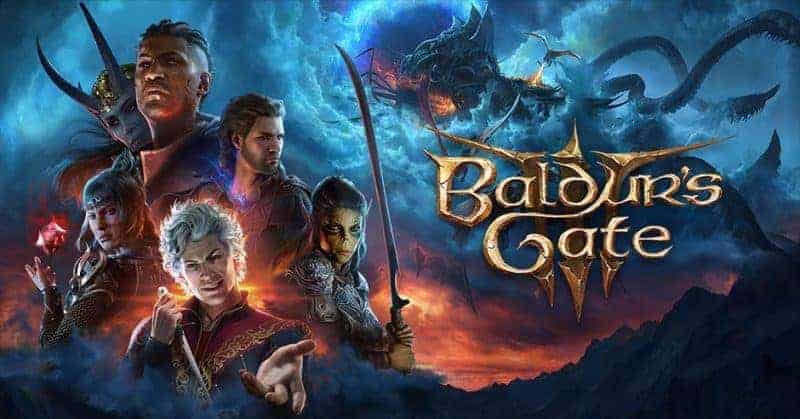
RPG Masterpieces that will fill the Baldur’s Gate 3-shaped hole in your heart
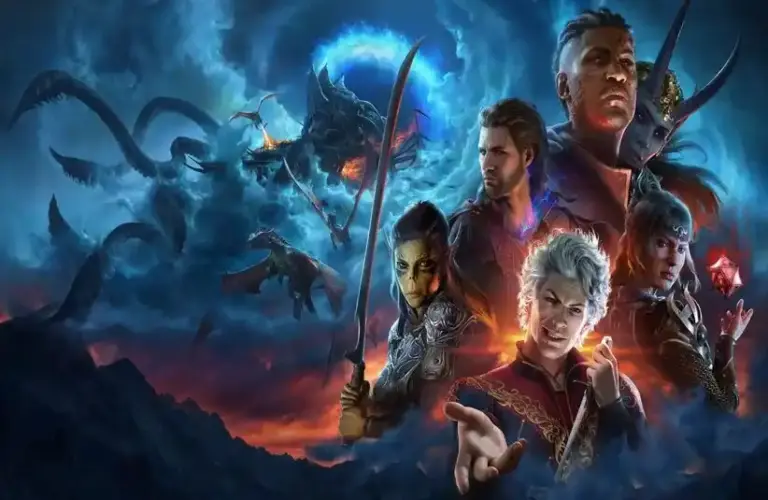
Okay, I get it. You’ve just finished your third playthrough of Baldur’s Gate 3, your party is finally at peace (or anarchy, depending on your choices), and you’re staring at your Steam library as if it were an empty bar after last call. The post-BG3 depression is real, my friend. But, before you begin your fourth relationship with Shadowheart or attempt yet another bad playthrough that miraculously becomes heroic by Act 2, allow me to toss you a lifeline.
The gaming world is full of fantastic RPGs that capture that same magic—tactical fighting that makes you feel like a genius, character growth that hits harder than a critical strike, and stories so compelling you’ll find yourself thinking about them during your morning coffee. Some of these gems flew under the radar, while others are beloved classics that deserve another look through BG3-tinted glasses.
Why do these RPGs hit differently?
The romance possibilities in Baldur’s Gate 3 aren’t the only thing that sets it apart. It’s the ideal combination of player agency, tactical depth, and storytelling that values your brain. The games I’m about to propose follow the same formula. They understand that the best RPG moments occur when you are given genuine choices with real consequences, when fighting necessitates actual strategy, and when characters feel like people rather than walking mission dispensers.
Divinity: Original Sin 2: The Spiritual Predecessor Still Slaps
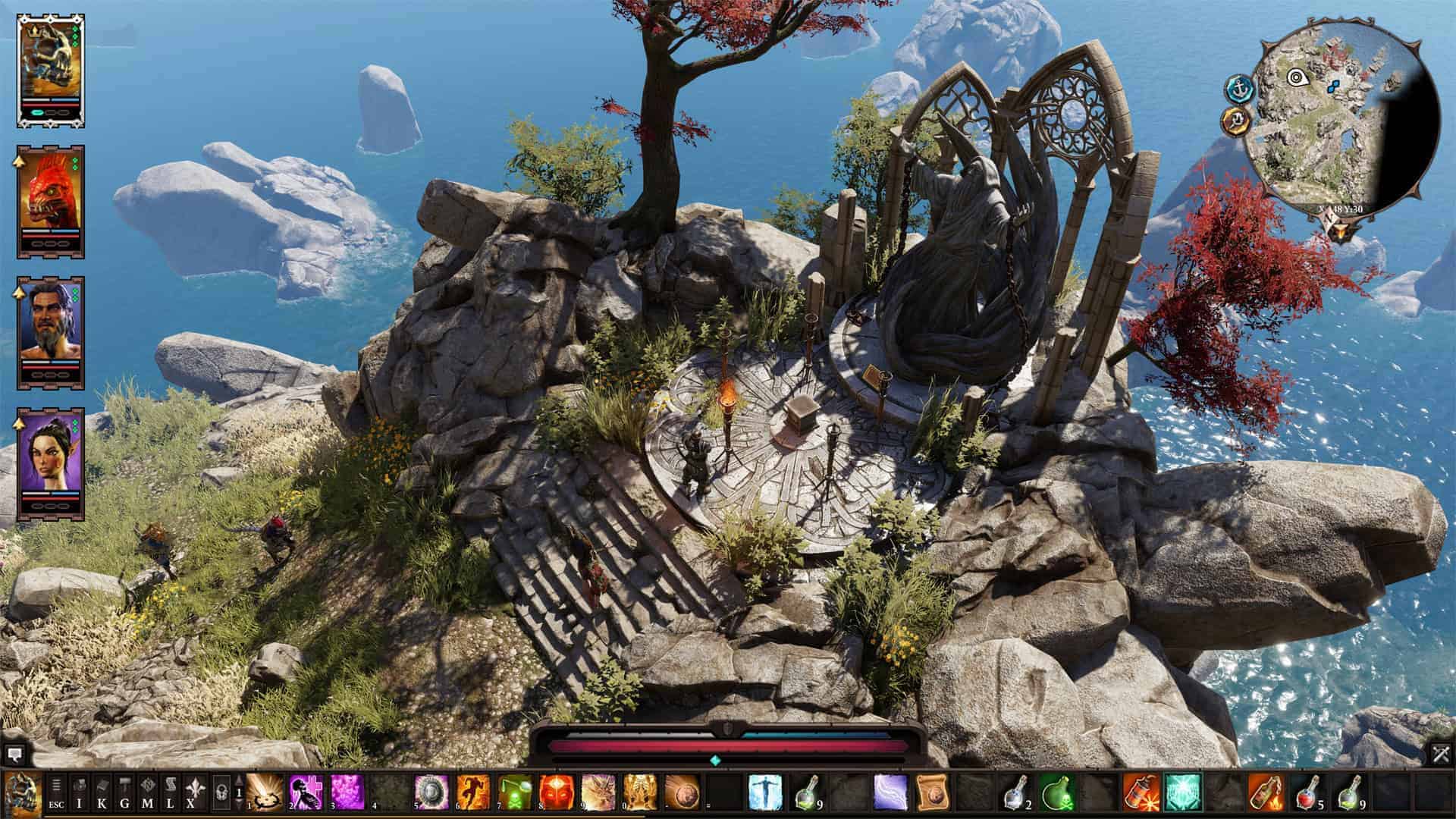
Let us begin with the obvious choice, which is strangely not obvious enough. Larian Studios didn’t just stumble into greatness with BG3—they’d been perfecting their craft for years. Divinity: Original Sin 2 is essentially the dress rehearsal for BG3’s Broadway performance, and honestly? Sometimes I think the rehearsal was even better.
The environmental interactions in this game are absolutely bonkers. You can electrify water, freeze blood, and create explosive barrel chains that would make Michael Bay weep with joy. The Source magic system feels deliciously forbidden, and the Red Prince storyline? Chef’s kiss. It’s got that same “every choice matters” weight that makes you save before every conversation.
What really gets me about Original Sin 2 is how it handles party dynamics. Your companions aren’t just along for the ride—they have their own agendas, their own stories, and sometimes those stories directly conflict with what you want to do. The tension is real, the stakes feel personal, and when you finally reach the endgame, you’ll understand why Larian was ready to tackle Baldur’s Gate.
Pathfinder: Wrath of the Righteous – For When You Want Your RPG Extra Crunchy
If BG3 made you fall in love with tactical combat but left you wanting even more mechanical depth, Wrath of the Righteous is your next obsession. This game doesn’t just embrace complexity—it French kisses it while doing calculus.
The Mythic Path system is genuinely brilliant. Do you want to become a literal angel dispensing divine justice? Go for it. Prefer to embrace your inner demon and watch the world burn? The Demon path is waiting. Each choice fundamentally changes how the game plays, not just in story beats but in actual mechanical systems.
The character development is so detailed that you could get lost in it for hours. We’re talking 25 classes, many prestige classes, and an overwhelming number of multiclassing options. It’s the type of game where improving your build feels like solving a beautiful puzzle, and each level-up is like a little Christmas present.
Pillars of Eternity – The Thinking Person’s Fantasy Epic
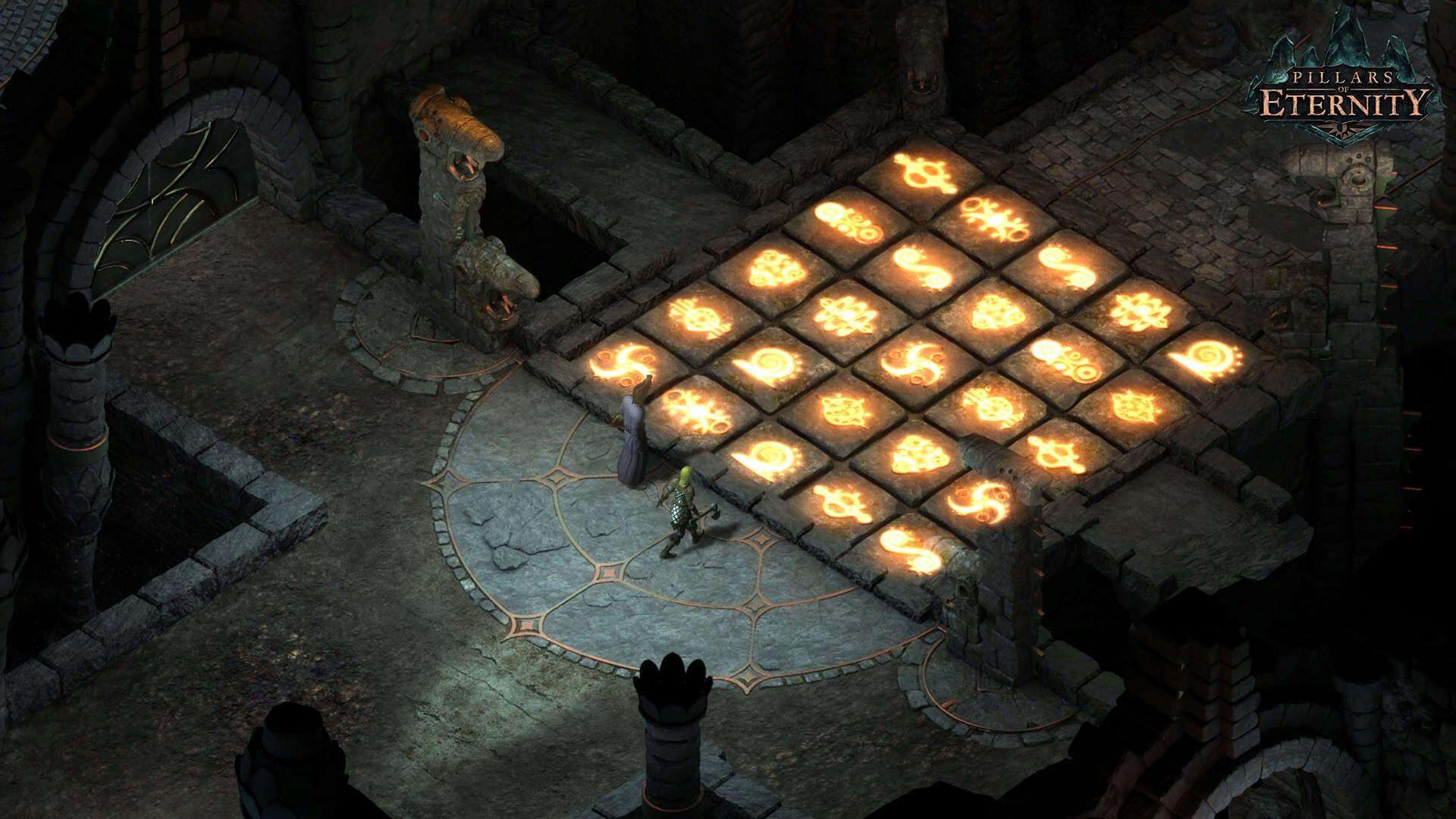
Obsidian Entertainment has this annoying habit of making games that are way too good for their own good, and Pillars of Eternity might be their masterpiece. If you loved the philosophical depth of BG3’s more thoughtful moments, this game will have you questioning the nature of souls, gods, and what it means to be human.
The writing in Pillars is dense in the best possible way. Every conversation feels like it matters, every piece of lore adds another layer to an already rich world. The Watcher’s ability to see into souls creates some genuinely haunting moments that’ll stick with you long after the credits roll.
Combat-wise, it strikes this perfect balance between tactical depth and accessibility. You’ve got pause-and-play mechanics that let you orchestrate beautiful tactical symphonies, but it never feels overwhelming like some of its more hardcore cousins.
The Witcher 3: Wild Hunt – When You Need Your Feelings Destroyed
Okay, hear me out. I know Witcher 3 isn’t a party-based RPG, and yes, Geralt is a pre-made character rather than your custom creation. But if what you loved about BG3 was how it made every choice feel weighty and meaningful, then Witcher 3 absolutely belongs on this list.
The side quests in this game are better than most other games’ main storylines. Every contract feels personal, every decision ripples outward in ways you won’t see coming. The Bloody Baron questline alone is worth the price of admission—it’s a masterclass in how to tell a morally complex story without easy answers.
And let’s talk about Gwent for a hot second. Just like how you probably spent way too many hours playing dice games in taverns during BG3, Gwent will absolutely consume your life. It starts innocent enough, but before you know it, you’re ignoring the main quest to hunt down rare cards like some kind of medieval Pokémon trainer.
Disco Elysium – The Revolutionary That Changed Everything
If BG3 made you appreciate the power of good writing in games, then Disco Elysium is going to rewire your brain. This isn’t just an RPG—it’s literature that happens to be interactive.
You play as a detective with severe amnesia trying to solve a murder case, but that’s like saying Moby Dick is about a guy trying to catch a fish. The real journey is internal, as you literally debate with different aspects of your personality and watch your character’s psyche unfold like a beautiful, broken origami crane.
The skill system is pure genius. Instead of traditional RPG stats, you invest in things like “Inland Empire” (your connection to the supernatural) and “Encyclopedia” (random knowledge). These abilities actively join in talks, occasionally providing useful insights and sometimes leading you entirely astray.
Dragon Age: Origins, the BioWare classic that still rules.
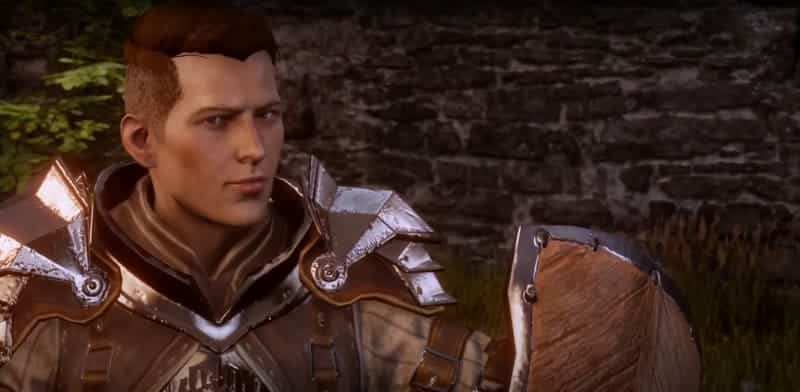
Before BioWare went strange with their later entries, they developed this magnificent gem that demonstrated that party-based RPGs could function in the modern era. The tactical combat, companion relationships, and world-building all combine to create a perfect storm of RPG perfection.
The Origins system is brilliant storytelling design. Your background fundamentally changes how the world sees you and how you see the world. Playing as a City Elf versus a Human Noble creates genuinely different experiences, not just different starting cutscenes.
Duncan’s sacrifice is still felt strongly, the Landsmeet is political drama at its best, and don’t even get me started on the emotional impact of the last fight. This game recognizes that the best RPG moments stem from a genuine emotional connection to your characters and their setting.
Solasta: Crown of the Magister – Pure D&D Mechanics Direct to Your Veins
Sometimes you don’t want innovation or subversion; you just want really, really good D&D mechanics in video game format. Solasta delivers exactly that with zero apologies and maximum competence.
The 5e implementation here is arguably even more faithful than BG3’s. Every rule, every interaction, every tactical consideration feels ripped straight from the tabletop. The verticality in combat is especially well done—positioning actually matters, height advantages are real, and environmental hazards feel dangerous rather than gimmicky.
The character creation might not have BG3’s visual flair, but the mechanical depth is all there. Multiclassing works exactly like you’d expect, spell preparation matters, and rest mechanics have real strategic weight.
Why These Games Matter Right Now
Here’s the thing about post-BG3 gaming—it’s changed what we expect from RPGs. We’ve tasted perfection, and now everything else needs to measure up. These games don’t just measure up; they each bring something unique to the table that makes them worth your time.
Whether you want more tactical fighting, richer character customization, better storytelling, or simply the feeling of “holy crap, my choices actually matter,” there’s something on this list to satisfy your hunger. Each of these games values your brain, trusts you to make meaningful decisions, and recognizes that the best RPG moments result from the combination of strong gameplay and fascinating storytelling.
The great thing about getting into these games today is that you’ll see them via BG3- trained eyes. You’ll notice the little details—how dialogue tree’s branch, how combat encounters are designed, how character progression feels meaningful rather than arbitrary. You’ve been spoiled by quality, and that’s actually going to make these other masterpieces even better.
So, fire up that Steam wishlist, clear your calendar, and prepare to fall in love with RPGs all over again. That Baldur’s Gate 3-shaped hole in your heart? It’s about to get filled with even more incredible adventures.
For more gaming related content visit Home – Total Apex Gaming
For more BG3 content visit Total Apex Gaming Baldur’s Gate 3