Windows 11 Update Just Broke Your Favorite Streaming App
Microsoft, are you feeling okay? Just when you thought your Windows 11 experience couldn’t get more frustrating, the “tech giant” has decided to throw another handful of wrenches into their oh-so-delicate operating system. This time, they’ve managed to cause hair-pulling and stress veins en masse due to the most recent update’s effect on streaming apps like OBS. Apparently, having a functioning operating system made by a multi-trillion-dollar company is too much to ask for in 2025. Makes you wonder where all that money goes, doesn’t it?
Windows 11 Update Creates Streaming Nightmare for OBS Users
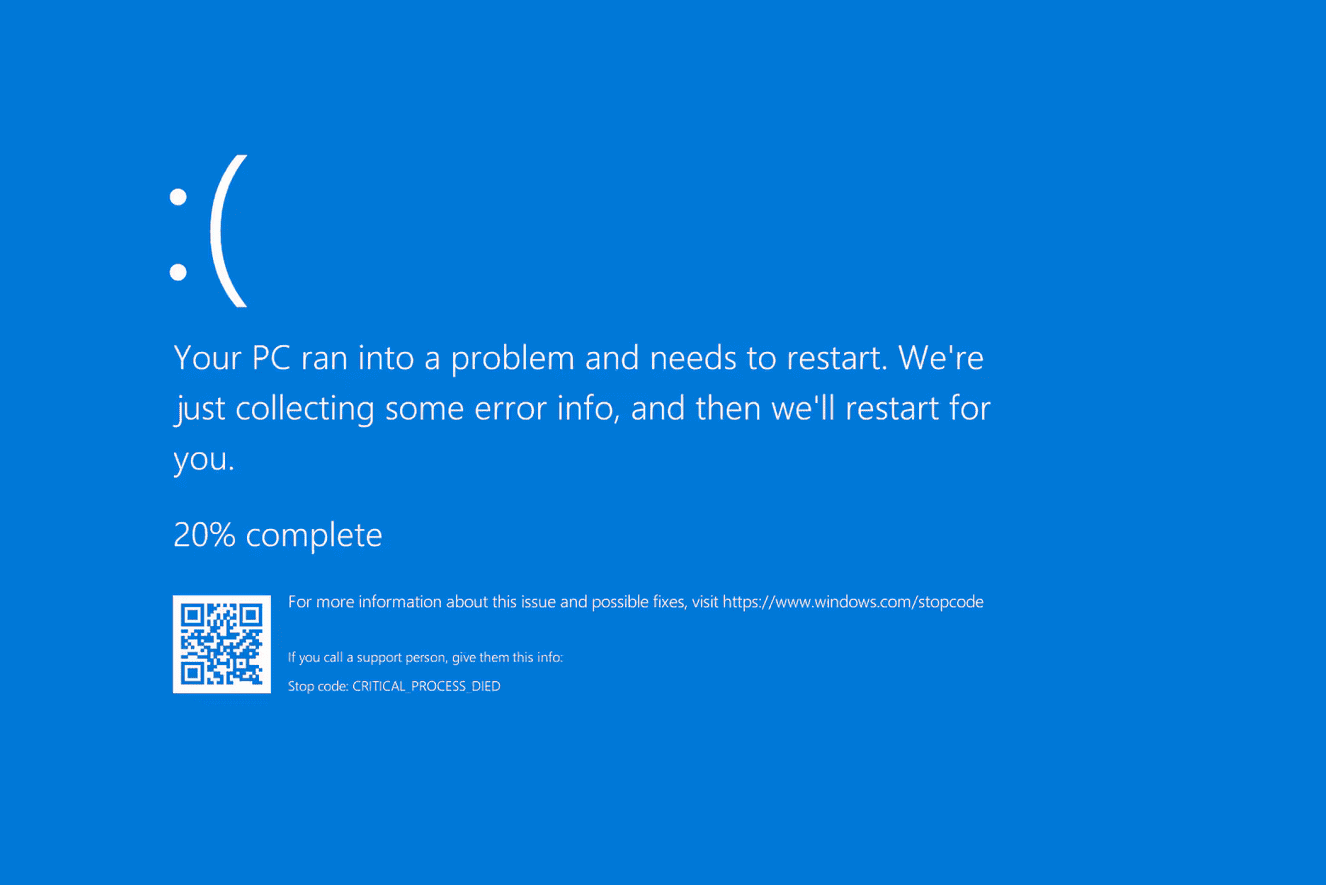
Microsoft has officially confirmed what streamers and content creators have been screaming about for weeks: their latest Windows 11 update has absolutely demolished streaming app performance. We’re talking about apps like OBS Studio, Discord, and various other streaming platforms that millions of users rely on daily for their content creation and communication needs.
The company’s acknowledgment came after a titanic avalanche of user complaints on social media, online forums, and support channels. Users from Reddit’s own r/VIDEOENGINEERING reported everything from choppy video quality to complete app crashes during live streams. Some particularly unlucky souls found their streams cutting out entirely mid-broadcast, leaving them to explain to confused audiences why their content suddenly turned into a slideshow. Remember those “unregistered HyperCam” days? No? Guess I’m dating myself then.
Did Microsoft even perform its due diligence? How was something as relatively simple as this not caught during their testing phase? Was there even a testing phase? Are we in the testing phase!? You’d think a company worth over $3 trillion would have the resources to test its updates before pushing them to millions of users worldwide. But here we are, watching another Microsoft “lol, oopsie” moment unfold in real-time.
The Technical Mess Behind Windows 11’s Streaming Problems
Alright, so according to Microsoft’s investigation, the update introduced changes to how the operating system handles hardware acceleration and graphics processing for third-party applications. Essentially, they “improved” something that was working perfectly fine, and now streaming apps can’t properly communicate with your graphics card. Ever heard of “If it ain’t broke, don’t fix it?”
The issue specifically affects applications that rely on hardware acceleration for encoding video streams. When these apps try to access your GPU for processing, Windows 11 now throws up roadblocks that weren’t there before. It’s like having a bouncer at a club who suddenly forgot the VIP list and is now turning away everyone, including the people who own the place.
OBS Studio users, like me, have been hit particularly hard, with many reporting that their previously stable streaming setups now stutter, freeze, or crash entirely. With Reddit posts titled “Latest Windows update wreaking havoc on NDI feeds” or “Please help – NDI Screen Capture is stuttering.”, this is clearly not just some fluke a handful of users are experiencing.
Discord users aren’t faring much better, experiencing similar issues with screen sharing and video calls. The irony here is that these are exactly the kinds of applications that Microsoft should be bending over backwards to support, given how crucial they are to the modern digital workspace.
Microsoft’s Band-Aid Solution for Windows 11 Streaming Issues

After weeks of radio silence (classic Microsoft move), the company finally released a statement acknowledging the problem. They’ve pushed out a temporary “fix” that essentially rolls back some of the changes introduced in the problematic update. It’s not a permanent solution, but it should restore basic functionality for most affected users.
The temporary fix comes in the form of a registry edit and a driver update that users need to apply manually. Because nothing says “professional operating system” like asking your users to dig into the registry to fix something your update broke in the first place. Microsoft has promised a more comprehensive fix in an upcoming patch, but given their track record, we’ll believe it when we see it.
What’s particularly frustrating is that this isn’t the first time a Windows 11 update has caused widespread issues. Remember the printer problems? The file explorer crashes? The start menu bugs? It’s starting to feel like Microsoft uses its user base as unpaid beta testers for half-baked updates.
The Bigger Picture of Windows 11’s Ongoing Problems
This streaming app debacle is just the latest in a series of Windows 11 mishaps that have left users questioning Microsoft’s competence. And rightly so. From forced updates that brick systems to features that nobody asked for, consuming system resources, Windows 11 has felt more like an extended beta test than a finished product. Unfortunately, this trend has bled into many other tech and media industries. For example, why delay a AAA video game to make sure it’s a polished experience when you can just shove it to the masses and promise an update to fix problems they already know will occur?
The most rage-inducing aspect of this is that Microsoft has the resources and expertise to do better. They’re not some scrappy startup learning on the fly in an established industry; they’re the foundation of it. Yet somehow, they keep making the same mistakes over and over again. I guess success equals a plateau of innovation? When you’re on top with no meaningful competition, why put in more effort, right?
For users dealing with these Windows 11 streaming issues, the temporary fix should provide some relief while we wait for Microsoft to deliver a proper solution. But honestly, given their track record, we’ll probably see another update break something else entirely before this gets fully resolved.
The lesson here is clear: if you’re running critical applications on Windows 11, always have a backup plan. Because when it comes to Microsoft updates, it’s not a matter of if something will break, it’s a matter of when.
Or better yet, be like me and just teach yourself Linux. It’s like the transition from HDDs to SSDs: Once you experience it, it’s damn near impossible to even humor going back.