Marvel Rivals Nerfs Black Panther But Players Still Aren’t Satisfied
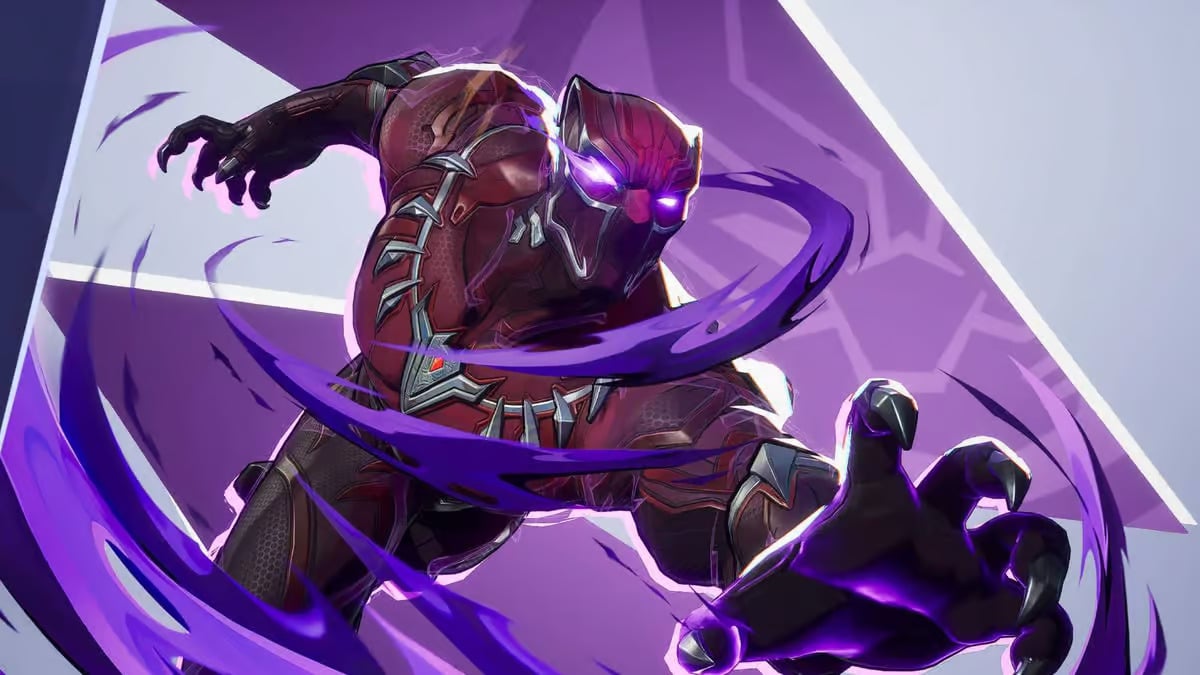
Black Panther has dominated Marvel Rivals’ competitive landscape since launch, but recent nerfs from NetEase have left many players divided about whether the changes go far enough. The Wakandan king’s overwhelming presence in ranked matches and professional tournaments prompted developer intervention, yet community feedback suggests the adjustments may have missed the mark.
The ongoing controversy highlights the delicate balance developers face when adjusting popular heroes in competitive games. While some players celebrate any reduction in Black Panther’s power level, others argue that the nerfs targeted the wrong aspects of his kit, leaving his most problematic abilities largely intact.
This situation reflects broader challenges in hero shooter balance, where community perception often conflicts with developer data. Understanding why Black Panther remains controversial despite recent changes reveals important insights about game balance philosophy and player expectations in modern competitive gaming.
Marvel Rivals Black Panther Nerfs: What Changed?
The most recent Marvel Rivals update targeted several aspects of Black Panther’s kit, with particular focus on his mobility and visual clarity issues. The dash trail adjustments represented the most visible change, reducing the visual obstruction that opponents faced when tracking his movement during combat.
His dash ability received cooldown increases that affect his overall mobility frequency. Previously, Black Panther could chain mobility options with minimal downtime, creating scenarios where opponents struggled to maintain engagement distance. The extended cooldowns force more strategic decision-making about when to engage or disengage from fights.
Damage output modifications targeted his burst potential in one-on-one scenarios. The changes reduced his ability to eliminate full-health opponents instantly, requiring more sustained engagement to secure eliminations. These adjustments particularly impact his effectiveness against support heroes and other squishy targets.
NetEase also addressed its stealth mechanics, though these changes proved more subtle than community expectations. The stealth duration received minor reductions, while detection mechanics became slightly more forgiving for opposing players. However, the fundamental stealth gameplay loop remained largely unchanged.
The developer’s patch notes emphasized improving “counterplay opportunities” rather than wholesale ability reworks. This approach suggests NetEase wanted to preserve Black Panther’s core identity while creating more windows for opponents to respond to his aggression.
Why Fans Are Still Unhappy
Many players argue that the recent nerfs failed to address Black Panther’s most frustrating aspects. His stealth-to-elimination combo remains largely intact, allowing skilled players to maintain oppressive playstyles that feel unfair to opponents. The core gameplay pattern that creates frustration—invisible approach followed by burst damage—continues unchanged.
Community feedback consistently identifies his stealth mechanics as the primary source of frustration rather than raw damage numbers or mobility cooldowns. Players report feeling helpless when facing skilled Black Panther players who can consistently initiate fights on their terms while remaining difficult to counterplay.
The dash trail visual improvements, while appreciated, don’t address the fundamental issue of tracking a highly mobile character during chaotic team fights. Many players wanted more substantial changes to his stealth detection or duration rather than minor visual clarity improvements.
Competitive players specifically cite his dominance in high-rank matches as evidence that the nerfs were insufficient. Pick rates in the Master’s and Grandmaster tiers remain elevated, suggesting that serious players still consider him essential for winning games at the highest level.
Some community members express frustration with NetEase’s conservative approach to balance changes. They argue that developers should implement more aggressive adjustments to clearly overpowered heroes rather than incremental tweaks that may require multiple patches to achieve desired results.
The timing of these changes also drew criticism, with many players noting that other heroes received more substantial adjustments despite being less problematic in competitive play. This perceived inconsistency in balance philosophy contributes to community dissatisfaction with the developer’s approach.
The Competitive Impact
Professional Marvel Rivals tournaments continue showcasing Black Panther’s dominance despite recent nerfs. His presence in team compositions remains nearly universal, suggesting that competitive players haven’t found the changes significantly impactful to their strategic planning.
Tournament statistics reveal that Black Panther maintains high elimination rates and game impact metrics compared to other damage heroes. The gap between his performance and similarly positioned characters suggests that additional adjustments may be necessary to achieve true competitive balance.
Team coordination strategies have adapted to the minor changes without fundamental shifts in how professional players utilize Black Panther. Most teams continue building compositions around his strengths while minimally adjusting their tactical approaches to account for longer cooldowns.
The lack of dramatic shifts in professional play validates community concerns that the nerfs were insufficient. When the highest level of play remains unchanged after balance adjustments, it often indicates that the changes didn’t address the character’s fundamental advantages.
Some professional players have publicly stated that they expected more significant changes based on pre-patch discussions about Black Panther’s impact on competitive integrity. Their continued reliance on the character in tournament settings suggests agreement with community sentiment about insufficient nerfs.
Balancing Heroes in Marvel Rivals
NetEase faces the challenging task of balancing heroes across multiple skill levels and game modes. Changes that significantly impact casual play may have different effects in competitive environments, creating tension between satisfying different player segments.
The developer’s data-driven approach often conflicts with community perception, leading to situations where statistical balance doesn’t align with player experience. Black Panther’s win rates may appear acceptable in aggregate while still creating frustrating experiences for individual players.
Communication between developers and the community remains crucial for successful balance changes. Many players express a desire for more transparency about balance philosophy and the specific metrics that drive adjustment decisions.
The hero shooter genre’s evolution continues influencing balance expectations, with players often comparing Marvel Rivals’ approach to other successful games in the space. These comparisons create additional pressure for developers to match community expectations about aggressive balance changes.
Future balance updates will likely determine whether NetEase adopts more substantial adjustment strategies or continues with incremental changes. The Black Panther situation serves as a test case for community patience with conservative balance philosophy.
Looking Forward
The Black Panther controversy illustrates ongoing challenges in competitive game balance where community expectations often exceed developer comfort zones. Whether NetEase addresses remaining concerns about its power level will significantly impact community trust in its balance approach.
Player feedback continues emphasizing the importance of addressing fundamental gameplay frustrations rather than statistical outliers. The distinction between feeling fair to play against and achieving a perfect win rate balance remains central to successful hero design in competitive games.