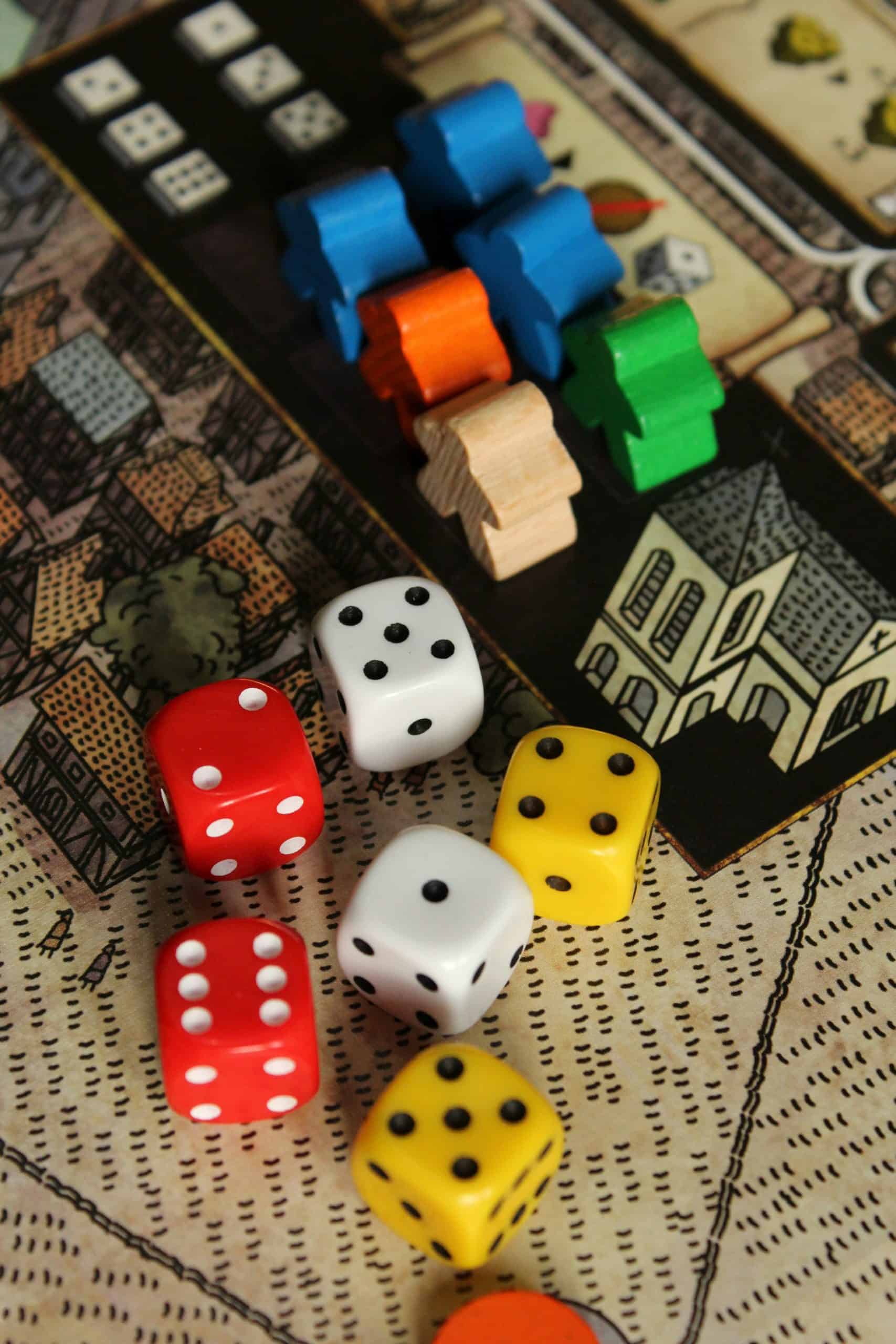
Tabletop Cafes Bring Communities Together
Remember when hanging out meant actually hanging out? Not staring at screens while sitting next to each other, but genuine face-to-face interaction? Well, tabletop cafes are bringing that connection back, one turn at a time.
These aren’t your typical utilitarian coffee shops where everyone hunches over laptops or smartphones like digital hermits. These are buzzing social hubs where strangers become allies, rivals, and sometimes lifelong friends, all thanks to a shared love of games and caffeine.
What Makes Tabletop Cafes Different?
You walk into what looks like a normal cafe, but instead of the usual sea of laptops, you are greeted by towering shelves packed with more board games than a kid’s birthday wishlist. The air hums with animated conversations, strategic plotting, and laughter.
Tabletop cafes are essentially coffee shops that decided board games were more important than free WiFi. They stock hundreds of games—from classics like Monopoly to modern masterpieces like Wingspan and Azul. Neil Goldberg, who runs Main St. Board Game Cafe in New York, said, “People are looking for more experiential entertainment than ever before. People want to do something, to feel something.”
Anne-Marie De Witt from Fireside Games explains it perfectly: “Board games are inherently social. They require players to be present in a way video games can’t.” These spaces force us to practice something we’ve almost forgotten: actual conversation. When you’re trying to convince someone to trade their wheat for sheep in Catan, you’re developing negotiation skills to rival the diplomatic corps.
Perfect for Awkward Social Situations
Drew Lovell from Chicago’s Bonus Round Cafe points out that tabletop cafes are “an easy place for a casual first date.” Nothing breaks the ice quite like discovering your potential interest is a ruthless Monopoly player who shows no mercy when collecting rent. The games themselves become natural conversation starters. No more painful small talk about the weather when you can bond over mutual frustration at drawing terrible cards.

How Tabletop Cafes Work
Most places operate on either a flat fee system, usually around $5-10, or an hourly rate. You pay your gaming fee, browse their library, then grab a table with friends or join strangers who become friendly acquaintances for the next few hours.
And you won’t starve while plotting world domination. Most tabletop cafes serve everything from artisanal coffee to full meals. Some focus on snacks while others go all-out with extensive menus. Here is a pro tip: choose foods that won’t destroy someone’s beloved copy of Ticket to Ride. The gaming community has long memories when it comes to component damage.
Who Actually Hangs Out at These Places?
The beauty of tabletop cafes is that they attract people from all walks of life who share one common thread—they’re tired of staring at screens alone. You’ll find teenagers mastering complex strategy games alongside grandparents who could school everyone at bridge. Families discover new ways to bond over cooperative games.
Walking into a well-stocked tabletop cafe can feel overwhelming. Here is the secret: ask for help. Tell the staff what you’re in the mood for, how many people you have, and how much brain power you want to exert. They will select something perfect.
Everyone is terrible at games in the beginning, but don’t be afraid to admit you’re new—the gaming community is surprisingly welcoming.

The Future of Face-to-Face Fun
Tabletop cafes represent more than just a business trend—they are an organized resistance against our increasingly isolated digital lives. They prove that despite our addiction to phones and streaming services, people still crave genuine connection and shared experiences.
As more people discover these gaming oases, we might just remember what we’ve been missing: the simple joy of sitting around a table with other humans, engaging in friendly competition, and creating memories that don’t require a screenshot to preserve.