Steam’s Grip Chokes Game Developers as the Monopoly Debate Erupts Yet Again
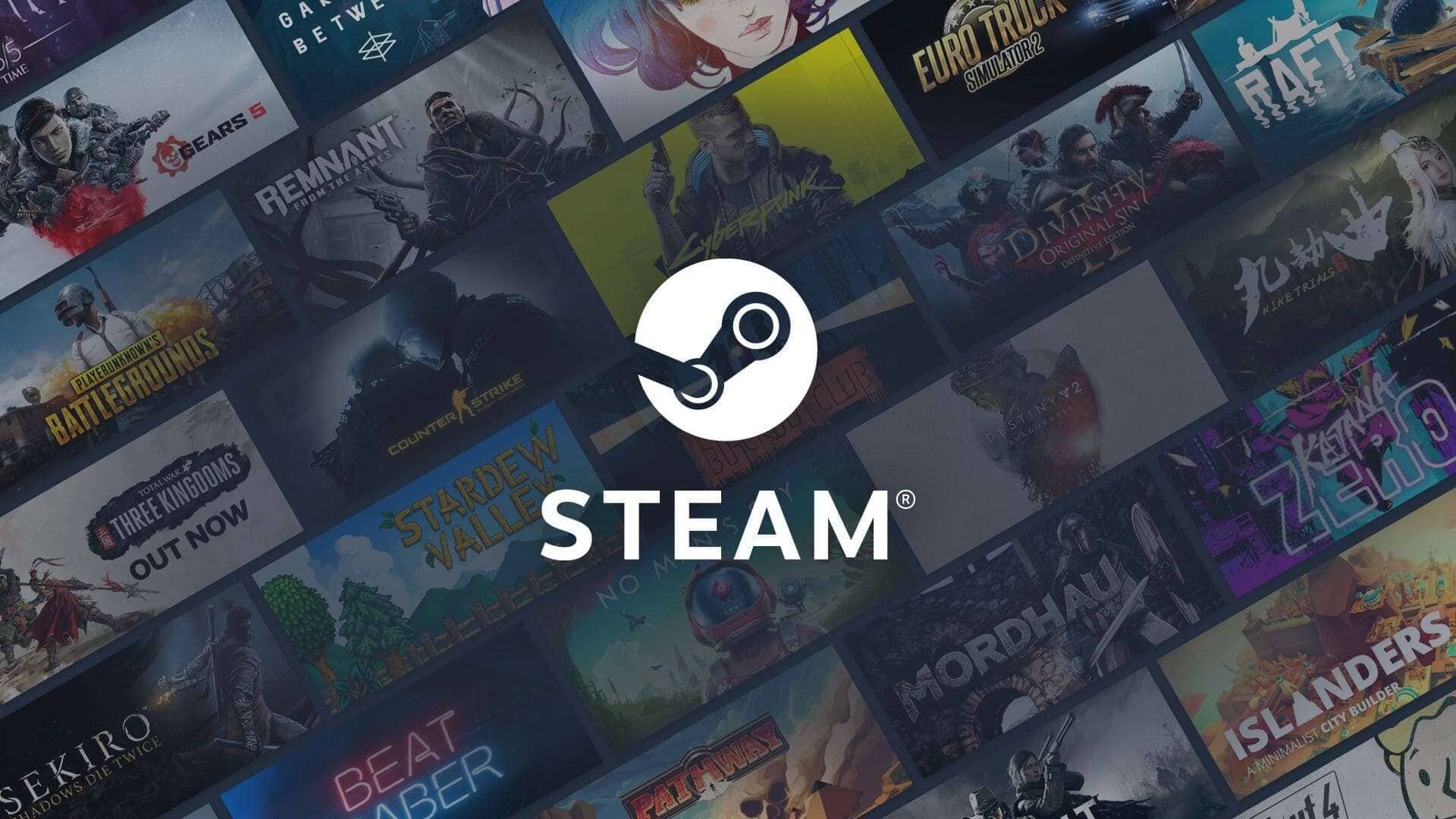
Atomik Research conducted a recent study on the platform, Rokky, surveying 306 games industry managers about the state of PC distribution. The results highlighted Steam’s colossal presence, with over 88% of respondents stating that Valve’s storefront generates more than 75% of their revenue. With 72% of those managers viewing the platform as a monopoly, does this perception, however, match the legal and economic reality of a monopoly?
Analyst Calls Monopoly Claim Nonsense
Veteran analyst Mat Piscatella certainly doesn’t think so, arguing that the core argument is fundamentally flawed. This perspective points out that market share alone doesn’t define a monopoly. To get this label, a single seller with no substitutes is required, as well as the power to charge excessively high rates. Notably, anyone can launch a PC distribution service, and indeed, many have tried. Piscatella finds the entire debate to be a recurring and somewhat silly spectacle in the gaming world. Even if Steam isn’t a monopoly, the question remains: what is the real problem facing PC game developers?
Valve’s 30% revenue cut is a constant source of discussion, with some developers arguing it is unfair. For others, however, the extensive features and massive audience reach make the fee worthwhile. Given the study’s limited pool of 306 respondents, its own methodology has drawn some scrutiny. Most of these participants were high-level executives from larger companies, primarily in the US and UK. Whether this is like a local syrup company declaring pancakes are a public menace is a huge question. Unfortunately, these quirks don’t affect the data, which still reveals a clear industry anxiety about relying so heavily on a single storefront.
Steam Rolls Over the Competition
Piscatella redirected the conversation about Steam’s monopoly label to a more substantive issue. The sheer difficulty of getting a game noticed in a massively crowded marketplace. Over a decade ago, the analyst first heard similar doom-laden predictions that Steam would destroy the PC games industry. While the PC gaming market has exploded, numerous digital storefronts have launched since then. Although creating a competing store has never been a real challenge, giving users a compelling reason to leave the platform’s comfort zone is. After all, how many launchers does one computer truly need?
Other companies have gotten mixed results, throwing immense resources at this problem. Vast sums from the Epic Games Store have been spent on giveaways and exclusivity deals, yet it’s still not profitable. According to a former Amazon executive who admitted their own failed attempt to compete, gamers already had their solution in Steam. This leads to a more nuanced argument than simply crying monopoly. Valve’s oligopolistic power, driven by strong barriers to entry, should be the focus of these debates, which have been more about network effects and user habit than illegal market control.
For many developers like Adam Riches, Steam owns the PC market without any equivalent competitor. Regarding the Rokky study, the most intriguing finding might therefore be the most forward-looking. Within the next five years, a full 80% of developers expect a regular part of their business to include alternative distribution channels. Given these factors, the industry is betting on a more diversified future, even if Steam remains the undeniable king of the hill for the foreseeable future.