Ex-Assassin’s Creed Director Offers Solution to AAA Gaming
Former Assassin’s Creed director Alexandre Amancio spoke at DevGAMM in Lisbon, Portugal, regarding the state of AAA game development in the West. In the presentation titled “From AAA to Ashes: Why the Future Belongs to the Bold,” Amancio explained how to fix AAA game development. The presentation took place on November 7, 2025.
Former Assassin’s Creed Director and His Observation on AAA Games
The former Assassin’s Creed director said that the AAA game industry’s crisis resulted from over a decade of stagnation. According to Amancio, AAA game developers prioritized “politics over craft, comfort over challenge and content pipelines over originality.”
On DevGaMM’s site, Amancio’s description for his presentation read:
“After a decade of over-expansion, studio bloat, and risk-averse thinking, we’re now living through the fallout: mass layoffs, creative stagnation, and a growing disconnect between developers and the games they make. Somewhere along the way, we stopped chasing greatness and started chasing metrics.”
Interview with Lewis Packwood
Lewis Packwood, features editor for gamesindustry.biz, interviewed Amancio on January 7. When asked about the secret to fixing AAA development, Amancio replied that the secret is to ask questions. After elaborating on how game development requires thinking outside of the box, due to the vauge nature of the term video game, he said:
“I think it’s more about finding choke points where you can collapse the complexity, and then having these floodgates that only let the flow go one way, and you make sure that you go through them very methodically.”
Packwood asked Amancio about his time working on the Assassin’s Creed games, and how having hundreds of people working on each title can be avoided for other games. Amancio answered that AAA studios had an outdated notion of consulting lots of people to solve a problem, which stagnates the employees currently working on the issue and creating a lot of “variable noise.”
The Solution
Amancio stated that the solution is in smaller dev teams, using the current film industry as an example. In his example, he said that the film industry, now “evolved into coalesced, core teams,” consists of people who each recruit a crew to assist them with the particular project. While the crew is temporary for a given project, Amancio said, each person can select members to work with them in the long term.
Amancio claimed that gaming is a “weird hybrid” of software and could take a few pointers from the film industry. He said gaming’s biggest problems, reportedly inherent to game development, involve “building stuff as you go along,” especially if innovation is the goal.
After Packwood and Amancio discuss pitfalls in AAA game development, including feature creep, time constraints (especially when it comes to creating games set in cities like New York City or London), reusing assets and striving for innovation. For example, Amancio said that if one of a game’s systems changes radically, other systems reliant on it will have to change from the ground up.
The interview ends with Packwood using the success of the Yakuza/Like a Dragon series as an example of how reusing assets or reusing locations is not inherently a bad thing. Amancio responded that he would like to try that with a future game.
About Alexandre Amancio
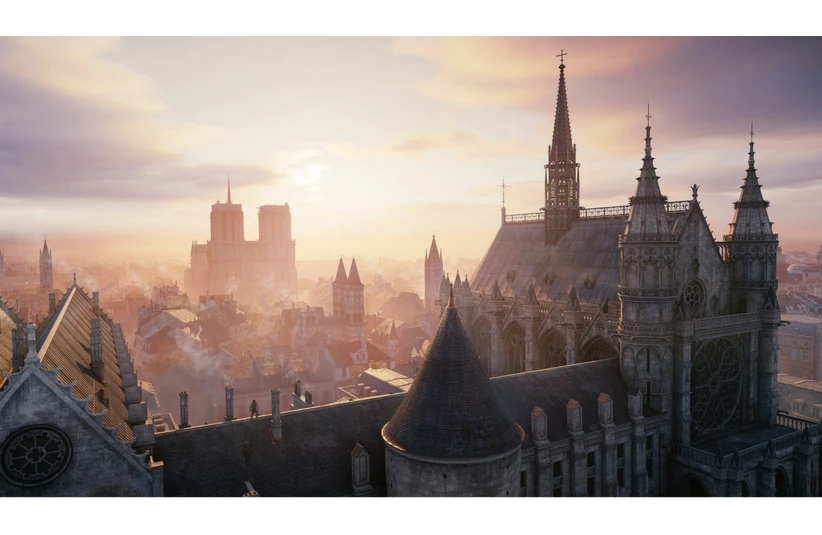
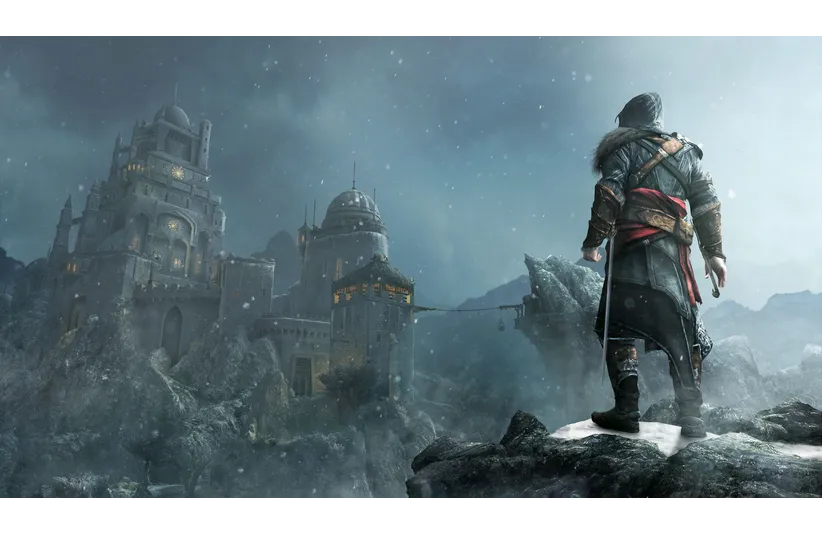
Alexandre Amancio directed Assassin’s Creed: Unity and Assassin’s Creed: Revelations. He is currently the studio head and executive producer at Studio Ellipsis and the senior vice-president of world-building and IP strategy at FunPlus. The company’s games include King of Avalon; Guns of Glory; State of Survival; Misty Continent; Stormshot and Sea of Conquest. All games are available for Android and iOS devices and for PC via the Windows Store. Via the Google Play Store, the games have an average rating of four out of five stars.
DevGAMM is an international game conference held annually in Europe. Some of the games previously featured include Papetura, Boxville, Tiny Tina’s Wonderlands, Cloudpunk and Gamedec.