How Outer Worlds 2’s Progression System Stacks Up Against 2025’s Biggest RPGs
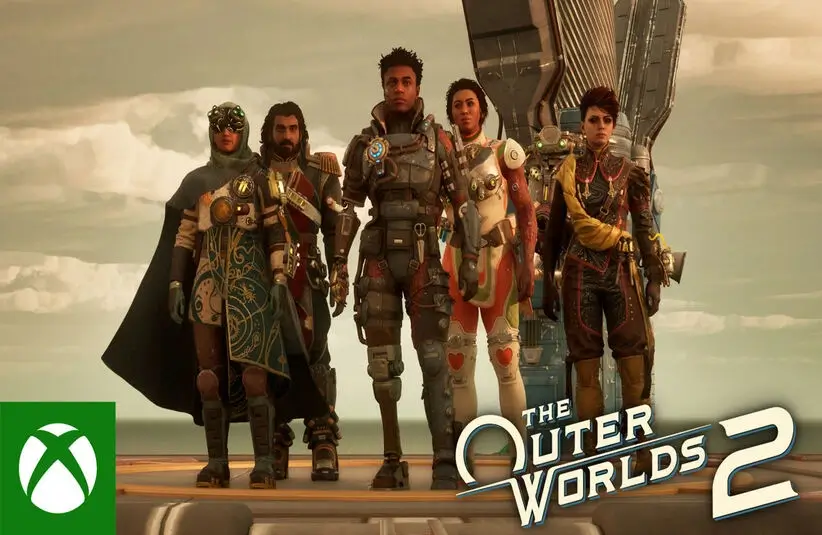
Outer Worlds 2 arrived in late 2025 with a swagger only Obsidian could pull off: sharp writing, corporate dystopia, and a progression system that’s deeper and stranger than the first game. But 2025 has been a monster year for RPGs, and players have been quick to compare how Outer Worlds 2 handles leveling, traits, and build identity against the rest of the genre’s heavy hitters.
With IGN highlighting how the sequel leans harder into specialization and “avoiding homogeneity”, and DTGRe breaking down its intricate traits, skills, and background systems, it’s clear Obsidian wanted to push progression further than before. But how does that stack up against the likes of Avowed, Dragon Quest I&II HD‑2D Remake, Kingdom Come: Deliverance II, and the other RPGs dominating 2025’s charts?
Let’s break down where the game shines, where it struggles, and how it fits into the year’s broader RPG landscape.
Outer Worlds 2 Doubles Down on Specialization
IGN’s early hands‑on coverage emphasized that Outer Worlds 2 encourages players to “get creative” and commit to oddball builds rather than becoming a universal problem‑solver. This is a big shift from the first game, which allowed players to dabble in everything without much friction.
DTGRe’s system guide reinforces this, noting that the game’s traits, backgrounds, and skill groupings create a more layered progression experience. You’re not just picking perks — you’re shaping a character with real strengths and real weaknesses.
Compared to other 2025 RPGs, this puts Outer Worlds 2 closer to the immersive‑sim side of the genre rather than the power‑fantasy side. It’s not trying to make you a superhero. It’s trying to make you interesting.
How It Compares to Avowed’s More Traditional Progression
Avowed, Obsidian’s other 2025 release, takes a more classic fantasy‑RPG approach. According to IGN’s Best RPGs of 2025 list, Avowed is praised for being “tighter and more focused” than sprawling open‑world RPGs. Its progression system reflects that: clear skill paths, predictable upgrades, and a more traditional sense of character growth.
Outer Worlds 2, by contrast, is messier — intentionally so. It wants you to make weird choices, pick flaws, and lean into the consequences. Avowed rewards mastery. Outer Worlds 2 rewards personality.
Both approaches have their fans, but Outer Worlds 2 definitely stands out for being the more experimental of Obsidian’s 2025 offerings.
Compared to Kingdom Come: Deliverance II — Freedom vs. Structure
Kingdom Come: Deliverance II, one of the year’s most acclaimed RPGs, leans heavily into realism and organic skill growth. You improve by doing, not by assigning points. It’s immersive, but it can also be punishing.
Outer Worlds 2 is more structured. You level up, you assign points, you pick perks. It’s old‑school in that sense, but with Obsidian’s signature twist: your choices can lock you out of entire playstyles.
Where Kingdom Come II feels like a historical simulation, Outer Worlds 2 feels like a satirical sci‑fi tabletop campaign. Both are deep, but Outer Worlds 2 is far more playful.
Compared to Dragon Quest I&II HD‑2D Remake — Complexity vs. Comfort Food
Dragon Quest’s HD‑2D remake is one of 2025’s biggest nostalgia bombs, and its progression system is intentionally simple. You level up, you get stronger, and you occasionally unlock new abilities. It’s comfort food.
Outer Worlds 2 is the opposite of comfort food. It’s a buffet of strange perks, questionable trait decisions, and build paths that sometimes feel like dares. It’s not trying to be relaxing — it’s trying to be expressive.
For players who want depth and experimentation, Outer Worlds 2 wins. For players who want a classic JRPG power curve, Dragon Quest is still king.
Compared to Digimon Story Time Stranger — Build Identity vs. Team Identity
TheGamer’s list of 2025’s best RPGs highlights Digimon Story Time Stranger for its strong gameplay loop and creature‑collector progression. In that game, your “build” is really your team composition.
Outer Worlds 2 is more personal. Your build is you. Your flaws, your perks, your questionable decisions — they all shape the story.
Both systems are satisfying, but Outer Worlds 2 offers a more narrative‑driven sense of progression.
Where Outer Worlds 2 Stands in 2025’s RPG Landscape
Outer Worlds 2 doesn’t have the biggest world, the longest campaign, or the most traditional leveling system. What it does have is identity. Its progression system is designed to make every playthrough feel distinct, every build feel intentional, and every flaw feel like part of the story.
In a year packed with RPG giants, Outer Worlds 2 stands out by refusing to play it safe. It’s not the most accessible system of 2025, but it might be the most memorable.