
Tomb Raider: Legacy of Atlantis Is Getting Easier — Modern Gamers Apparently Need It
When the original Tomb Raider launched in 1996, it did more than introduce players to Lara Croft. It reshaped the entire action-adventure genre. Lara became a global icon with her twin pistols, British wit, and a level of confidence that could only be rendered in sharp PS1 polygons. The game blended exploration, puzzle solving and danger in a way that felt bold and new. It also came with a difficulty curve that could turn even the most patient player into a save-scumming gremlin.
Tomb Raider: Legacy of Atlantis Reborn
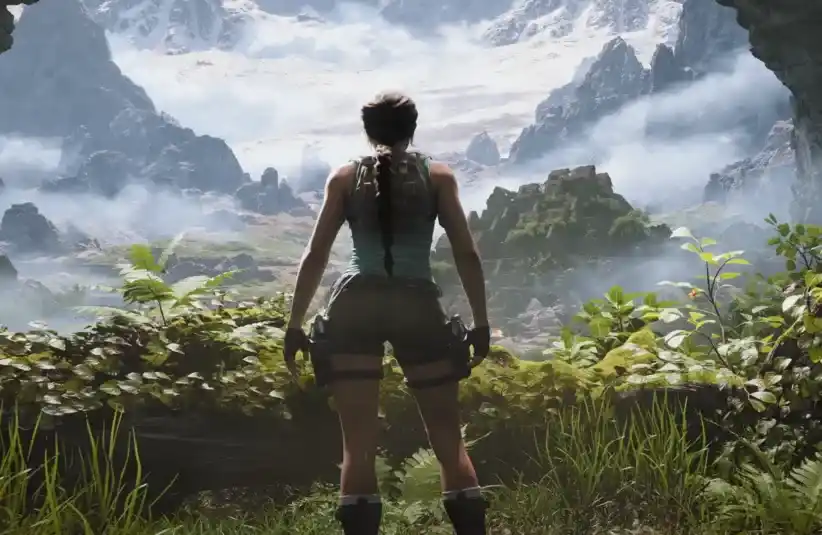
Nearly three decades later, Tomb Raider: Legacy of Atlantis is stepping in as a full remake of Lara’s first adventure. Crystal Dynamics and Flying Wild Hog describe it as a reimagining of the 1996 game, built with Unreal Engine 5 and modern design principles. According to Crystal Dynamics, the original game’s brutal difficulty will be adjusted to better fit modern player tastes.
Before anyone panics, the team insists that the traps, puzzles, and iconic set pieces will still be there. Yes, that includes the giant rolling boulders that traumatized an entire generation. The danger remains. The frustration does not.
Flashback: Lara Croft and the Franchise
Lara Croft is one of gaming’s most recognizable characters. She has starred in more than a dozen games, multiple films, comics, and enough merchandise to fill an entire tomb. The original trilogy defined the early years of 3D action. Later entries experimented with tone and mechanics, and the Survivor Trilogy reintroduced Lara as a grounded, vulnerable explorer.
Legacy of Atlantis is not a simple remaster. It is a full reimagining of the 1996 classic, rebuilt with modern visuals, updated environments, and new surprises while honoring the spirit of the original. According to Crystal Dynamics, the remake uses Unreal Engine 5 to deliver cinematic lighting, smoother movement, and more reactive environments. It is a chance to revisit the beginning with fresh eyes and rethink what difficulty should look like in 2026.
Why the Difficulty Got Tweaked
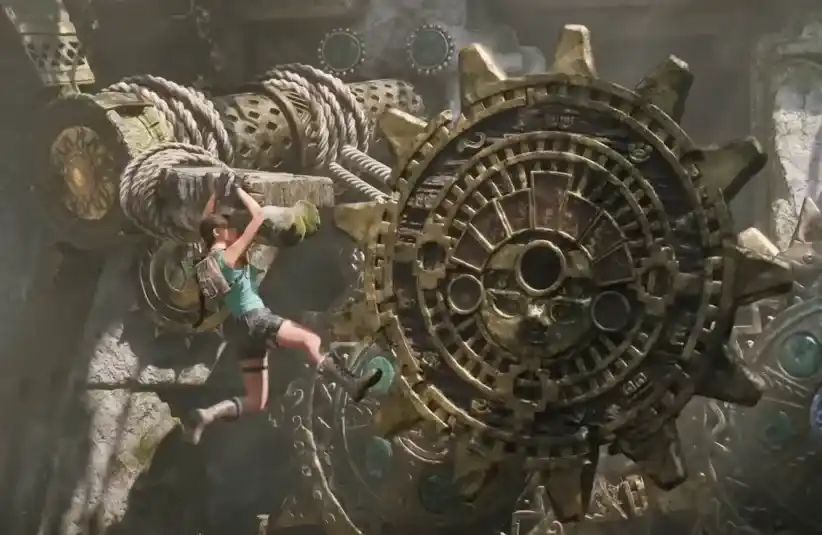
The original Tomb Raider was tough. Not tough in a charming, nostalgic way. Tough in a way that made you question your life choices. The game was filled with instant death traps, unforgiving platforming, and puzzles that required pixel-perfect precision. Many of these challenges were nearly impossible to avoid without memorizing the layout through repeated failure.
Developers today know that players expect something different. They want the remake to feel challenging without feeling punishing. They want danger without cheap shots. They want tension without outdated mechanics. The goal is to preserve the spirit of the original while removing the friction created by 1990s hardware limitations.
This is not about making the game easy. It is about making it fair.
What Exactly Is Being Adjusted
Crystal Dynamics has confirmed several key updates:
- Instant death traps are being rebalanced so players have more time to react.
- Movement and traversal will feel smoother and more responsive, replacing the rigid, old‑school tank controls of the PS1 era.
- Checkpoints and saving will be updated so players are not punished with huge chunks of lost progress.
- Combat and puzzles remain central to the experience, but they are being tuned to feel fair.
- That same pulse‑raising danger sticks around, thanks to the return of signature moments like the unforgettable rolling boulder.
The aim is to keep the atmosphere and sense of risk intact while cutting out the frustration created by old technical limitations.
If Graphics Evolve, Why Not Difficulty
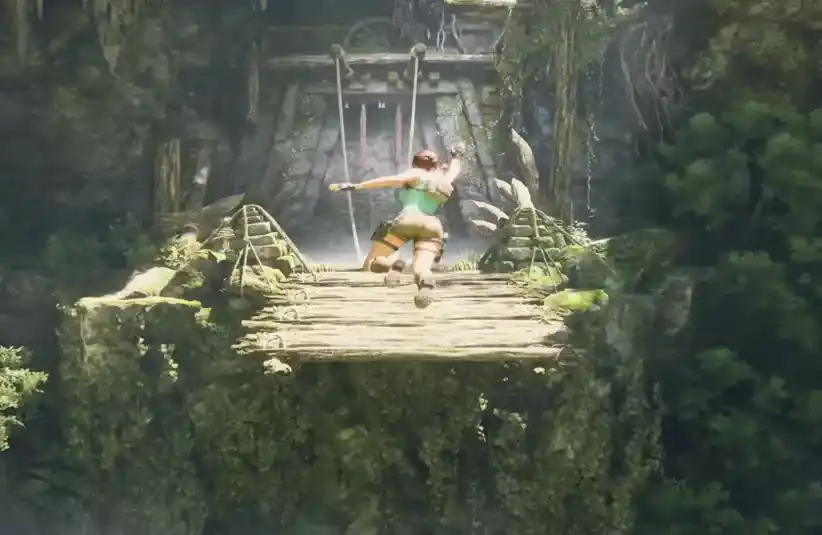
Whenever a classic game gets remade, the first thing players expect is a massive visual upgrade. Better lighting, smoother animations, richer environments, and character models that no longer look like they were carved out of triangles. Everyone accepts that graphics evolve. Everyone celebrates it. No one argues that Lara should still look like a stack of sharp edges from 1996.
So if visuals are allowed to grow up, why is difficulty treated like it has to stay locked in the past? If the art, the engine, the sound design, and the movement systems all get modernized, it makes sense that the skill expectations evolve, too. The original difficulty was built around the limitations of the hardware and the design language of the era. Updating the challenge is not disrespecting the past. It is treating difficulty the same way we treat graphics. It is letting it grow.
Of course, this raises a spicy question. If graphics get better and difficulty gets smoother, are we improving the experience or quietly admitting that players today cannot handle what gamers in the 90s survived? Are we modernizing, or are we nerfing the past because the audience has changed?
That is where the debate gets fun.
Modern Players Expect Modern Design
Gaming has changed dramatically since 1996. Today’s players are used to:
- Clear visual cues
- Responsive controls
- Generous checkpoints
- Accessibility options
- Tutorials that explain mechanics
- Difficulty settings that let players tailor the experience
The original Tomb Raider offered none of these. It dropped you into a tomb and wished you luck. If you died, that was your problem. If you missed a jump by one pixel, that was also your problem. If you forgot to save, well, you learned a very painful lesson.
Developers know that modern players, especially newcomers, will not tolerate that level of friction. The goal is to make the remake feel authentically Tomb Raider without turning it into a museum exhibit. The danger, the puzzles, and the sense of discovery are still there, but the overall experience is being updated to fit how players interact with games now.
A Reimagining, Not a Copy
Crystal Dynamics describes Legacy of Atlantis as a reimagining of the original game, not a frame-by-frame recreation. The heart is the same, but the execution is modern. The studio highlights new environments, updated character models, and cinematic presentation powered by Unreal Engine 5.
The goal is to honor the original while making it accessible to players who were not alive when the PS1 launched. This is not about watering down the game. It is about making it playable in a world where players have hundreds of options and limited patience for outdated mechanics.
Should Classic Games Be Reworked for Modern Skill Levels
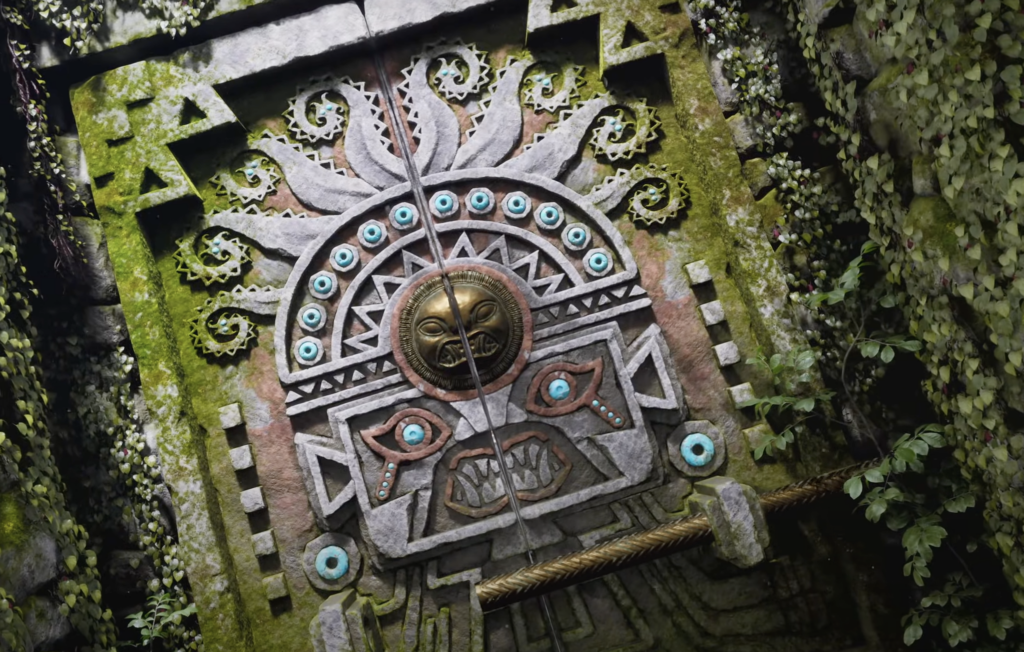
Here is where things get interesting. One benefit of updating the difficulty is that it opens the door for more players. It lets newcomers enjoy a foundational piece of gaming history without immediately rage-quitting. It also respects the fact that modern players have different expectations and different standards for fairness.
On the other hand, there is a growing chorus of players who wonder if this is all just a massive skill issue. Did we survive the original spike pits because we were built differently, or because we had nothing else to play and infinite free time? Are modern players truly less skilled, or do they simply expect games to respect their time?
There is no definitive answer. But it is a fun question to ask.
Tomb Raider: Legacy of Atlantis — 1996 to 2026
Tomb Raider: Legacy of Atlantis is shaping up to be a respectful and modernized return to Lara Croft’s origins. The difficulty adjustments are not about making the game easy. They are about making it fair, responsive, and enjoyable for players who did not grow up memorizing PS1 trap layouts.
The danger is still there. The iconic moments are still there. The giant rolling balls are still ready to crush you. The frustration, however, is staying in 1996. So the real question is this. Should classic games be reworked for modern player tastes, or are gamers simply facing a collective skill issue?