Horror Games Worth Losing Sleep Over – Dying Light: The Beast, Cronos The New Dawn And The Evolution Of A Genre
If you love horror games and haven’t been lurking in the shadows of Castor Woods or dodging Volatiles post-sunset in Dying Light, then we need to have a serious talk. Horror games have come a long way from pixelated ghosts and clunky mechanics to full-blown cinematic nightmares. They’re now terrifying, immersive, and, let’s face it, sometimes downright unfair (why do I have only a rusty pistol, three bullets, and an army of zombies currently locked in to my every move?).
The horror genre isn’t just thriving; it’s practically exploding with innovations that keep us awake at night and questioning reality. And no, it’s not just jumpscares anymore. These games prey on your vulnerabilities and use creative ways to put you in a state of pure tension. But enough of my rambling; let’s plunge deeper into why horror games are making indie darlings and AAA giants alike shine in the industry.
What Makes Horror Games SO Freakin’ Captivating?
Here’s the thing about horror games versus other genres—they actively try to reach into your soul to find and exploit your own personal weaknesses. They blur the line between the safe comfort of your couch and the heart-pounding dread of what might be lurking in the fog ahead. What horror games do better than anyone else is something utterly primal. They tap into fear, which is wired into us at the most basic, instinctive level. And horror devs? They exploit that fear like puppeteers pulling strings.
But if you think it’s just about being chased by creepy dolls or angry undead things, think again. Modern horror games beautifully combine storytelling, atmosphere, and gameplay mechanics that don’t just test your reflexes but your emotional resilience, too. Some games, like the Dead Space remake, terrify you with their grotesque ambiance. Meanwhile, others, like Amnesia, mess with your head so much you wonder if you even want to finish playing the thing. That’s the beauty of these spine-chilling gems.
Key Elements That Make Horror Games “Stick”
When dissecting what makes horror games unforgettable nightmares (in the best way), a few standout elements always emerge.
1. Atmosphere (Cue the Creepy Music)
Atmosphere is EVERYTHING in horror games. Think dimly lit corridors, faint whispers you’re sure you just heard, or environments that feel as alive as the monsters trying to eat your face. Modern titles like Resident Evil Village have set a high bar for crafting environments so immersive you almost feel the chill of the air (or Lady Dimitrescu’s glare).
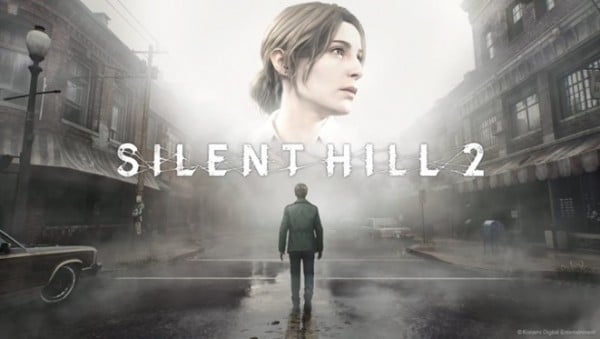
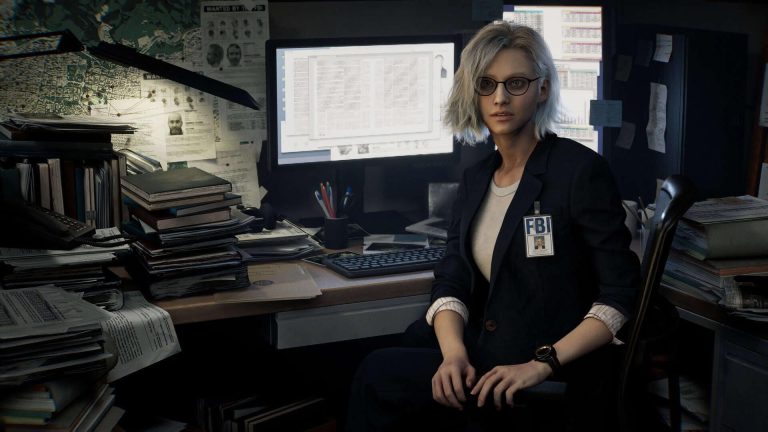
Don’t forget those all-important blood splatters, Cronos The New Dawn sure doesn’t. The game, which is set to release sometime this year (2025), takes a leaf out of Dead Space’s book, and with the same devs that made the Silent Hill 2 Remake, players are already expecting this to be a particularly atmospheric ride. Early access content shows grotty Polish apartments, monsters that move like spiders with elongated limbs, and a quirky female protagonist who is nothing at all like Silent Hill 2’s James Sunderland.
2. Scarcity and Survival
Horror games force you to make every single decision with care. Do you use that shotgun shell on the thing charging toward you or save it for something worse? (Spoiler alert: There’s always something worse.) Titles like Dying Light add an extra layer by limiting your most basic resources, including light. Just wait until your flashlight dies in the middle of a Volatile ambush. Good luck with that.
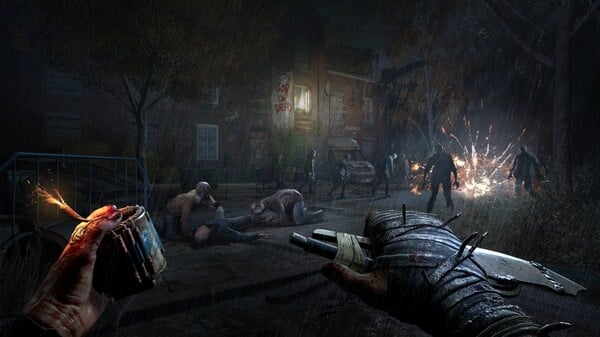
Dying Light: The Beast is the newest instalment in the Dying Light franchise due to release on 21st August 2025, and it is survival horror on steroids. Imagine you’re Kyle Crane, wrestling with his inner beast, sprinting across rooftops during the day, and fleeing Volatiles at night. Oh, and there’s barely any ammo. Fun, right? “The Beast” is a beautiful example of not fixing what is not broken. Just like it’s predecessors, it turns suspense into an art form. Nights are still pitch-black, and no, your tiny flashlight won’t save you. It’s a must-play for fans of open-world horror whose idea of “fun” is sweating bullets every single minute.
3. Psychological Manipulation
Some of the best horror games don’t rely on cheap tricks. Instead, they create emotional depth. Games like Silent Hill 2 don’t just ask you to survive; they challenge your sanity, making you question if YOU are the villain or just an unfortunate victim of circumstance. Fun, right?
Luto was released on 22nd July 2025, and the first thing the game does is make you question whether the protagonist, Sam, is completely off his rocker. He is immediately haunted by strange banging knocks on his front door, sheet-wielding ghosties on the landings, and chains that hang like torture chamber promises from a house that constantly changes shape like it’s part of the damn Backrooms or something. The messages left on the answerphone and the deep dive into his relative’s religious affiliations paint a picture where you’re not quite sure what is real. Half of the horror is literally in not being able to trust your main man.
Why are Horror Games THE Genre for Gaming Innovation?
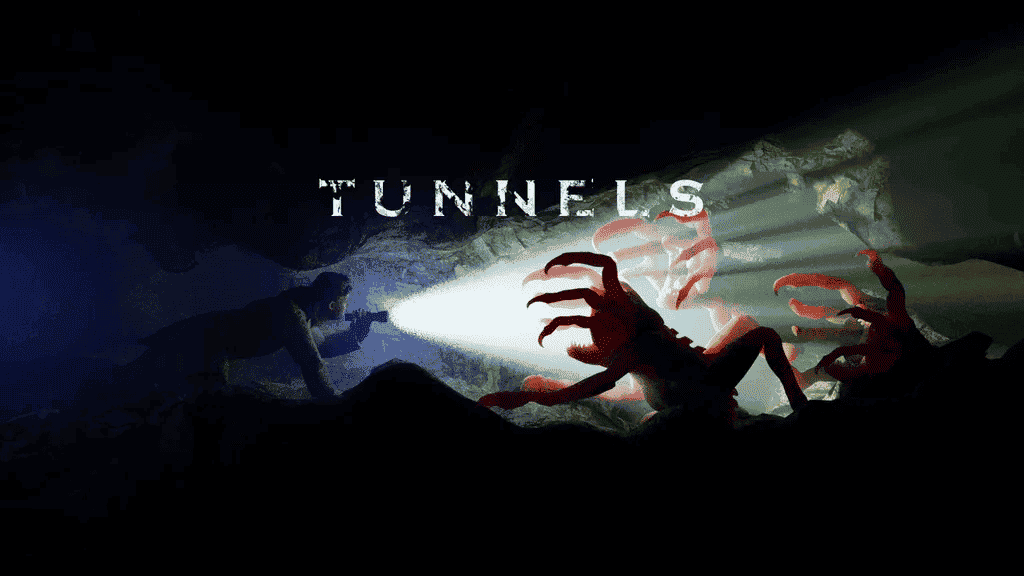
Ah, now here’s the real kicker. Horror games are borderline experimental labs for gameplay innovation. The genre is naturally well-suited for pushing boundaries—from AI systems learning your fears (Hello, Alien Isolation) to photorealistic graphics engines that make even in-game dust look scary.
Take The Last of Us. Sure, you might call it an action-adventure masterpiece first. But at its core, it’s a love letter to horrifying situations, bite-your-nails tension, and exquisite storytelling. Its success proves that horror’s bread and butter lies in immersion—not just visually, but emotionally.
Even multiplayer horror games like Phasmophobia amplify the genre’s legacy. The idea that your friends might also get you killed while you’re trying to ghost hunt? Horrifyingly brilliant.
The Future of Horror Gaming Looks… Well, Scary as Hell (in a Good Way)
Looking ahead, the genre only seems poised to climb higher (and creepier). Developers continue to blur lines between horror and other genres, ensuring no two games feel alike. VR horror titles are becoming a next-level breed of terror (Resident Evil 4 VR anyone?). And with AI enabling adaptive narratives, we’re heading into an era of personalized horror. Yes, you read that right. Soon, games will know EXACTLY what makes YOU scared. Sleep tight!
For fans, the rise of horror-focused indie games is equally exciting. In some cases, smaller developers are a more intimate team of writers, and they don’t face the same pressures of meeting industry big-budget standards. As a result, they have a lot more freedom to explore and try out slightly unconventional ideas to craft a different experience (looking at you, Little Misfortune). These smaller studios take risks that result in deeper, rawer connections with players.
Why are You STILL Reading When You Could Be Playing Horror Games?
If you’re not already convinced to pick up a controller and test your nerves, then frankly, you haven’t been paying attention. Horror games aren’t just another genre; they’re an evolving art form designed to terrify, surprise, and absolutely captivate. From the eerie beauty of Castor Woods in Dying Light to whatever interactive nightmare the next Silent Hill installment throws our way, there’s a game for every type of masochist—I mean, enthusiast.
What’s YOUR favorite horror game? Drop it in the comments below because I clearly don’t have enough haunting my backlog already. Until next time, stay alert, check behind every corner, and for the love of all things good, don’t run out of batteries.