
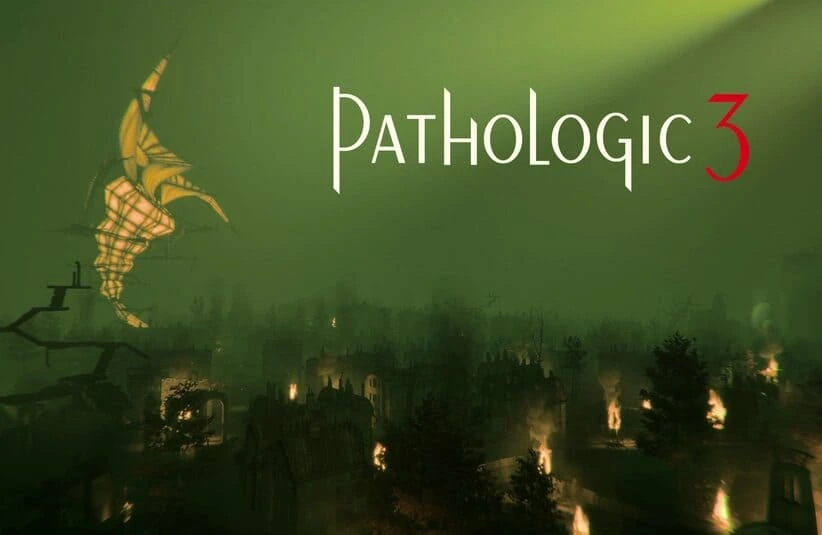
Your Patients Are Probably Doomed in Pathologic 3, a Game Where Survival Feels Like a Miracle
Pathologic 3 is a game that delights in making its players feel like terrible, panicked doctors in a town consumed by a deadly plague. The game tasks players with diagnosing bizarre illnesses to slow their progress and save the patients. Given that every decision carries immense weight, players are likely to learn more from failure than success, as it’s more instructive. Why would anyone subject themselves to such a deliberately stressful experience?
Greenlighting Riskier Passion Projects
To find the answer, look at Pathologic 3’s unique appeal, which is rooted in its oppressive atmosphere and unforgiving systems. This is not a power fantasy; it’s a bleak narrative puzzle where survival itself feels like a miracle. For players who endure the horrors, it’s infamous difficulty has become a badge of honor. Moreover, it creates a cult following that celebrates its particular brand of misery.
This niche success sends interesting signals through the broader entertainment industry. By prioritizing artistic vision and challenging mechanics over mass-market appeal, Pathologic 3 builds a sustainable, dedicated audience over time. As a result, studios are more encouraged to greenlight riskier passion projects.
The Power of Word-of-Mouth Marketing
Fans, however, are given deeply complex, narrative-driven games that refuse to hold their hands, and can still find a home. This ultimately leads to greater diversity in the types of stories being told. The cult status of Pathologic 3 also demonstrates the power of word-of-mouth and critical analysis over traditional marketing. Its reputation has been built by players dissecting its themes and systems for years.
Consequently, players can create a strong, distinct identity that’s more valuable than chasing trends. This approach fosters an environment where unique voices can thrive, coming together to form their own thriving community. Other creators can think more deeply about consequence and player agency in their own worlds.
Creating a Strong, Distinct Identity
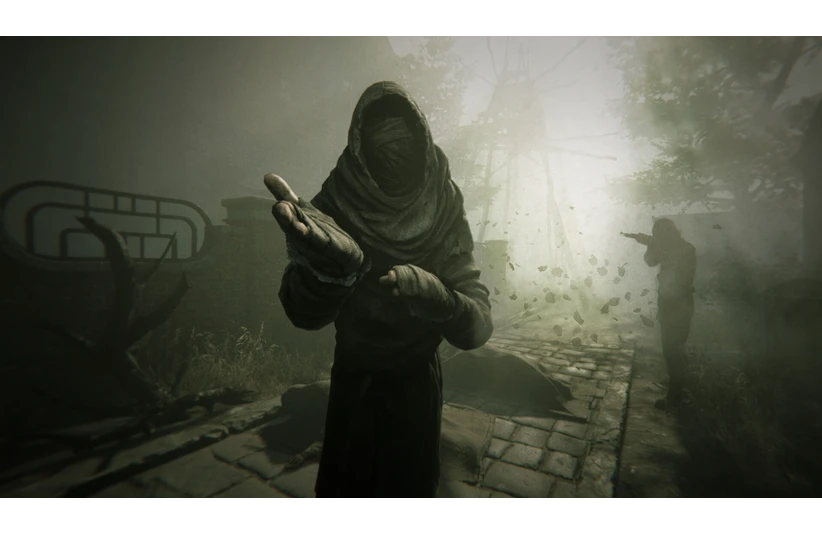
All of this is possible thanks to the influence of Pathologic 3’s design philosophy, where every resource is scarce, and every conversation matters. The industry ultimately realizes that this commercial and cultural space for uncompromising works treats the audience with intellectual respect rather than paternalistic guidance.
Pathologic 3’s core gameplay loop is a tense dance of triage and investigation. Patients present with grotesque, fictional ailments, and the correct diagnosis is rarely obvious. Not only is time constantly slipping away, but resources for tests are desperately scarce. How does one even begin to diagnose “Ink Syndrome” or “Bonkowski’s Fever” under such pressure?
Players must follow a process that involves careful observation, dialogue parsing, and sometimes collecting evidence from the disease-ridden streets. They must also keep in mind that a mistake can mean the death of a character, or worse, the accelerated spread of the Sand Pest. This oppressive pressure is the heart of the experience, making each small victory in Pathologic 3 feel profoundly earned. For players, the game is not just designed to be a struggle; said struggle is its primary narrative device.
A Series of Unfortunate Townsfolk
Pathological 3 introduces a series of unfortunate townsfolk, each with a uniquely horrible affliction, who are brought to a beleaguered healer. The patient known as Luta is diagnosed with Anemic Vasculopathy, while Finch is found to be suffering from the aptly named Burning Fever. If Filat’s case of Nephropathia Epidemica is considered a good day in this town, then that says a lot about the horrible diseases players must face.
Bobok is also burning up with fever, Oktay’s skin is tragically turning to stone, and Sharp is slowly consumed by Consumption. Meanwhile, Hardman is plagued by the mysterious Ink Syndrome, and Gannet’s heart has slowed to a crawl with Bradycardia. Additionally, Grouse is struck with Steppe Gastrodermal Fever, and Burdock has the common yet still deadly Influenza. In the final diagnosis, Tuutei shares Hardman’s inky fate, Martin struggles with Pulmomucous Syndrome, and Emilia endures the uniquely terrible Bonkowski’s Fever, because of course that’s a thing here.
The Bleak, Decaying World of Pathologic 3
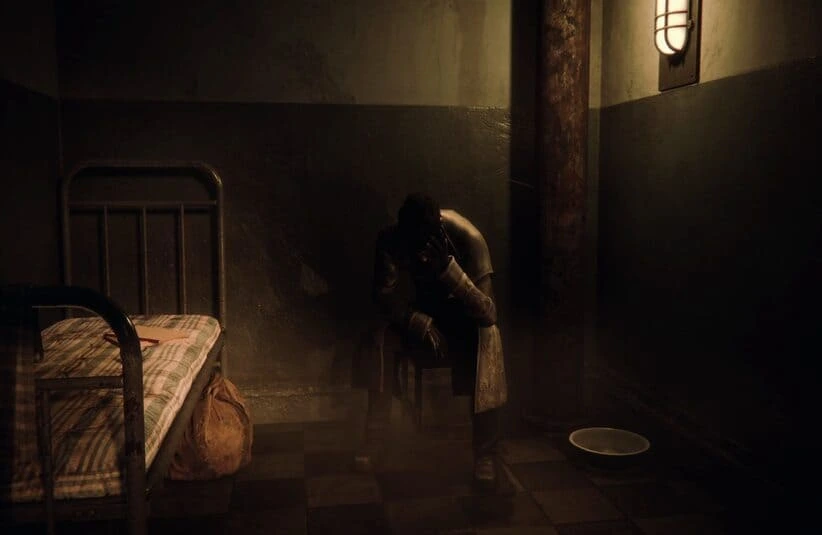
Surviving Pathologic 3 requires players to master the medical mysteries, with the social and economic layers of the town being just as hostile and intricate as the pathology textbook. In a world where currency is more valuable than money, conversations must be navigated with care. In some instances, telling the truth could save a patient.
Conversely, manipulating a desperate family may be necessary to get access to the medicine that’s needed. The bleak, decaying world is filled with characters who have their own desperate agendas, and aligning with one often means betraying another. In every playthrough of Pathologic 3, players experience a personal story of compromise, failure, and rare, hard-won insight. Although the game doesn’t want to be survived than beaten, players will quickly realize that it isn’t guaranteed.