Quarantine Zone Symptom Guide: Master Tools to Detect Infection and Keep Your Sanctuary Safe
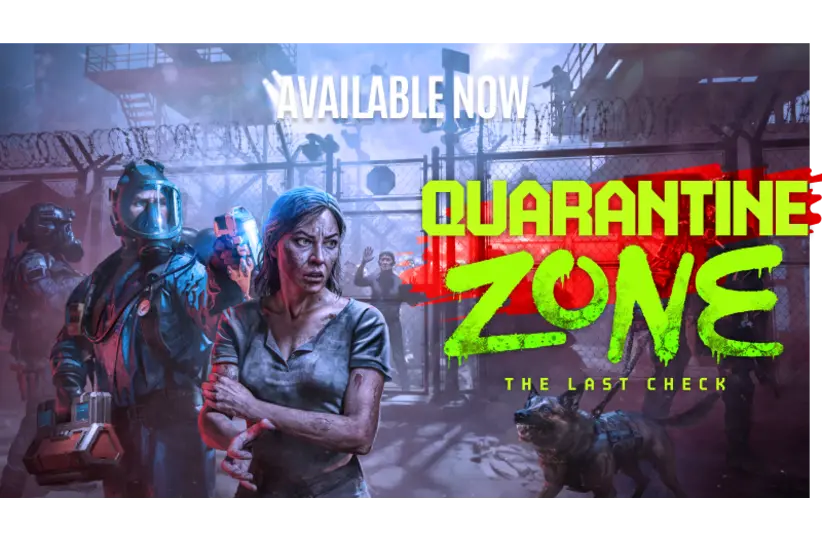
Look, nobody said the job was going to be glamorous. You are sitting in a booth, the world has ended, and a line of desperate people is waiting for you to decide their fate. Welcome to Quarantine Zone. If you have played “Papers, Please” and thought it needed more biological horror and less stamping, then you are in the right place. But this isn’t just about checking IDs and making sure dates match up. In Quarantine Zone, your primary job is to keep the infection out of the sanctuary. One slip-up, one missed cough, and it is game over for everyone inside.
The pressure is real. You are the last line of defense. To keep your job (and your head), you need to master the art of diagnostics. You have a suite of tools at your disposal, and you are going to need every single one of them to detect the various symptoms that plague the refugees. It is not enough to just eyeball them. The infected are tricky, and sometimes the signs are hidden deep. Here is how you can use your toolkit to catch every single symptom before it catches you.
Mastering The Scanner And Basic Inspection

The first thing you do when a refugee steps up to the glass in Quarantine Zone is give them a once-over. The Scanner is your bread and butter. It is the quickest way to flag obvious issues. You simply drag it over the person, and it highlights potential problem areas. However, do not get lazy. The Scanner might tell you something is wrong, but it won’t always tell you what is wrong. It is a hint generator, not a solution.
When you see a hit on the Scanner, you are looking for surface-level symptoms. These can range from skin irritation to visible wounds. If the Scanner lights up red, you know you have to dig deeper. Sometimes it is just a scratch, but other times it is the first sign of something much worse. Trust the machine, but verify with your eyes.
Checking Vitals With The Thermopulsometer And Stethoscope
Once you have done the surface sweep, it is time to get personal. The Thermopulsometer is essential for checking temperature-based symptoms. You will be looking for fever or hypothermia. A fever is a classic sign of infection in Quarantine Zone, and it is one of the easiest symptoms to miss if you are rushing. High temperature usually screams “infected,” so keep a close eye on those numbers.
Next up is the Stethoscope. This tool allows you to listen to the heart and lungs. You are listening for irregularities. Arrhythmia, or an irregular heartbeat, is a common symptom that suggests the virus is messing with the refugee’s system. You might also hear wheezing or fluid in the lungs. These auditory symptoms are critical because they often appear before external signs do. If their heart sounds like a techno beat at 3 AM, you might want to reach for the incinerator button.
Reflexes And Deep Tissue Scans
The Reflex Hammer seems archaic, but it is surprisingly effective. You use it to check the knees. What you are looking for here is a lack of response or an exaggerated one. Paralysis or hyperactive reflexes are neurological symptoms that indicate the brain is under attack. If you whack their knee and nothing happens, that is a red flag.
For the stuff you really can’t see, you have the X-ray. This is for finding internal symptoms. We are talking about fractures, tumors, or weird masses that shouldn’t be there. In Quarantine Zone, an X-ray can reveal if a “stomach ache” is actually a parasitic nest. It is gruesome, sure, but better you see it on a screen than have it burst out in the mess hall.
The Matioscope And Final Checks
Finally, look them in the eyes with the Matioscope. The eyes are the window to the soul, and in this game, the window to the infection. You are checking the pupils. Dilated pupils or mismatched sizes are major neurological symptoms. If their eyes look glassy or unresponsive to light, they are likely too far gone.
Remember, detecting symptoms in Quarantine Zone is about being thorough. You cannot afford to be nice. You have to be right. Use your tools, cross-reference the symptoms, and make the hard call. Good luck out there, inspector.