
Why The 2025 Painkiller Reboot Flops Hard According To Its Creator
If you were a PC gamer in the early 2000s, the name Painkiller likely brings back memories of lightning-fast movement, heavy metal riffs, and a stake gun that could pin enemies to walls. The original 2004 release was a cult classic—a frantic, single-player arena shooter that knew exactly what it was. So, when a reboot appeared on Steam this year, expectations were naturally high. On paper, reviving the Painkiller franchise seemed like an easy win.
However, the reality was starkly different. The game launched, barely made a splash, and promptly vanished from the public discourse, sitting currently with a “Mixed” rating on Steam. It’s a bizarre fate for such a legendary IP, but the reasons for this failure go deeper than just bad marketing. In fact, Adrian Chmielarz, the creator of the original Painkiller, has been vocal about his distaste for the project, offering a brutal post-mortem on why it failed to capture the magic of the original.
A Single-Player Classic Becomes Co-Op Chaos
The biggest point of contention is the fundamental shift in gameplay loop. The original Painkiller was a solitary experience. It was just you, a gothic environment, and hundreds of demons trying to tear you apart. Success depended on mastering movement—bunny hopping, circle-strafing, and crowd control. It was a skill check in the purest sense.
The reboot, developed by Anshar Studios, took a sharp left turn into cooperative multiplayer territory. Instead of that isolated struggle for survival, the new Painkiller leans heavily into a Left 4 Dead structure. It tries to blend the movement mechanics of modern shooters like Doom Eternal with squad-based tactics. While that sounds fine in a vacuum, slapping the Painkiller label on it felt disingenuous to long-time fans. It traded tight, atmospheric tension for chaotic, casual co-op, alienating the very audience it should have been courting.
Original Creator Calls New Painkiller A “Skinwalker”
You know a reboot is in trouble when the original visionary disowns it. Chmielarz didn’t mince words regarding the new direction. He described the new game as a “skinwalker”—something that wears the skin of the original but contains none of its soul.
According to Chmielarz, while the reboot borrows the weapon roster and the general premise of killing demons in purgatory, the DNA is completely wrong. He noted that he “disagreed with every single thing they’ve done in it.” His frustration stems from a belief that if you use a recognized IP, you have a responsibility to build upon what made it special in the first place. By completely changing the genre from a solo arena shooter to a co-op looter-shooter style game, the developers confused new players and insulted old ones.
Chmielarz even suggested that the game might have actually succeeded if it hadn’t been burdened by the Painkiller name. As a standalone generic shooter, it might have found an audience. As a Painkiller sequel, it was doomed to fail expectations.
Missing The Gothic Atmosphere
Beyond the mechanics, there is the issue of tone. The original game took its ridiculous premise surprisingly seriously. It was dark, moody, and dipped in a horror-influenced atmosphere that gave the gameplay weight. The developers back then believed in the world they were building.
In contrast, the reboot adopts a jokey, marvel-esque tone filled with one-liners and bright explosions. It feels like it’s trying too hard to be “fun” rather than immersive. For Chmielarz, this tonal whiplash is just another evidence that the new team didn’t understand the source material. Atmosphere isn’t just a backdrop in PC gaming; it’s a mechanic. The shift from gothic horror to arcade quippiness robbed the Painkiller reboot of its identity.
Lessons Learned In Witchfire
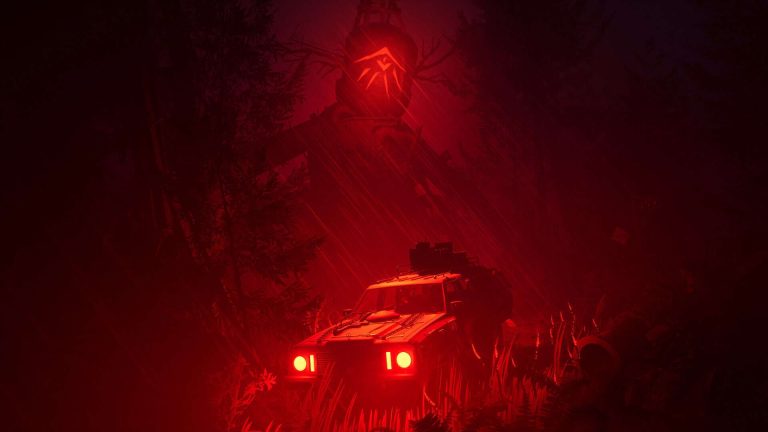
Chmielarz has long since moved on to his studio, The Astronauts, and their current project, Witchfire. Interestingly, Witchfire feels more like a spiritual successor to Painkiller than the actual reboot does. It blends dark fantasy with precision gunplay, focusing heavily on movement and distinct weapon mechanics.
However, Chmielarz admits that game development is a constant learning process. Witchfire recently faced its own struggles with an update called “The Reckoning,” which introduced a “World Corruption” mechanic that players felt aggressively altered the game’s balance. Unlike the Painkiller reboot, however, The Astronauts listened to feedback and dialed it back.
Ultimately, the failure of the Painkiller reboot serves as a cautionary tale for the industry. A brand name alone isn’t enough to sell a game. If you ignore the core pillars of gameplay and atmosphere that built the fanbase, you’re left with a hollow shell—or as Chmielarz puts it, a skinwalker.