The Human Wildcard Factor Makes ARC Raiders the Ultimate Friendship Simulator with Guns
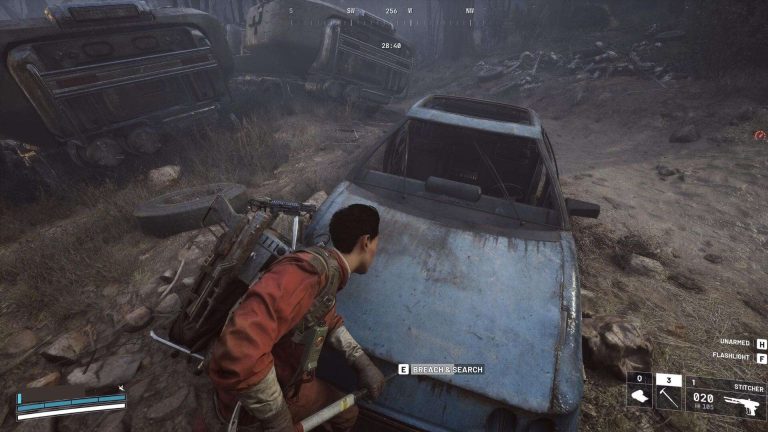
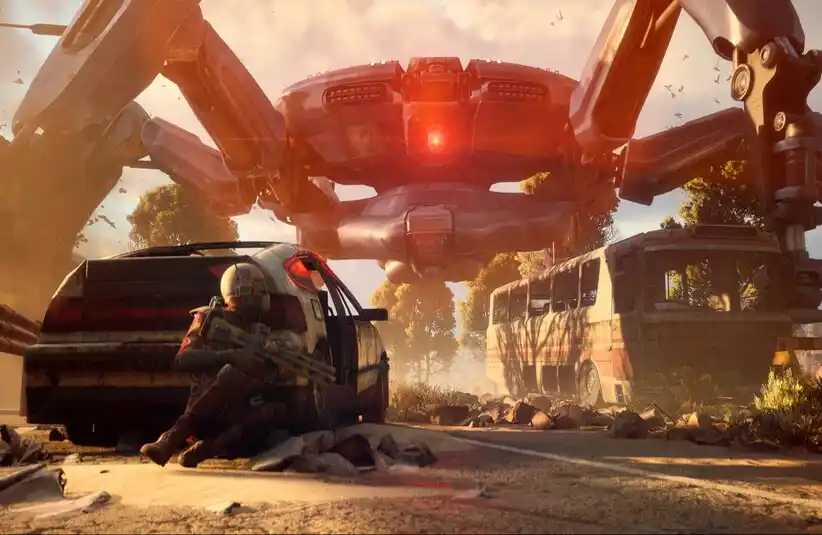
Thanks to the popular shooter ARC Raiders, fans have been embroiled in fierce debates about the soul of the extraction genre. In this PvPvE game, players must cooperate against robotic enemies while weighing the temptation to betray each other for better loot. That tension between teamwork and treachery defines the entire experience. That said, could it possibly function without the constant threat of a player turning rogue?
The ARC Raiders Player Civil War
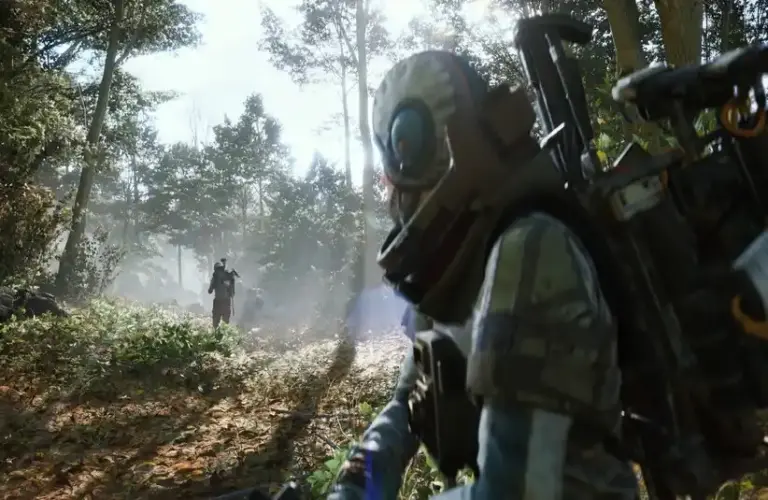
For a vocal segment of the dedicated ARC Raiders community, removing this human malice would ruin the experience entirely. They claim the thrilling uncertainty of not knowing if an ally is a friend or a future foe is the magic ingredient. From what’s gathered from players, the game’s world would feel insanely boring and safe without the risk of griefers and opportunistic rats.
In a popular subreddit thread where players dissected the social contract of the game, this perspective gained traction among fans. Many agreed that lobbies filled solely with friendly helpers or solely with hostile shoot-on-sight players both create terrible matches. So, what exactly does the perfect session of ARC Raiders actually look like then?
Your Teammate is Your Greatest Loot Pinata
According to the consensus, the game works best with a balanced mix. In particular, it should consist of cooperative players peppered with a few unpredictable villains. These human wildcards make successful extraction feel genuinely earned, which injects vital tension into every excursion. The community admits that cheaters exploiting glitches are a frustrating plague, but still considers legitimate betrayal as a feature, not a bug.
This acceptance of emergent human drama is a core pillar of the ARC Raiders philosophy. Consequently, this delicate ecosystem has been nurtured by the developers at Embark Studios. Credit should be given for their carefully designed symptoms, as it showcases the team’s understanding that pure harmony would break their game.
Embark Studios’ Social Experiment
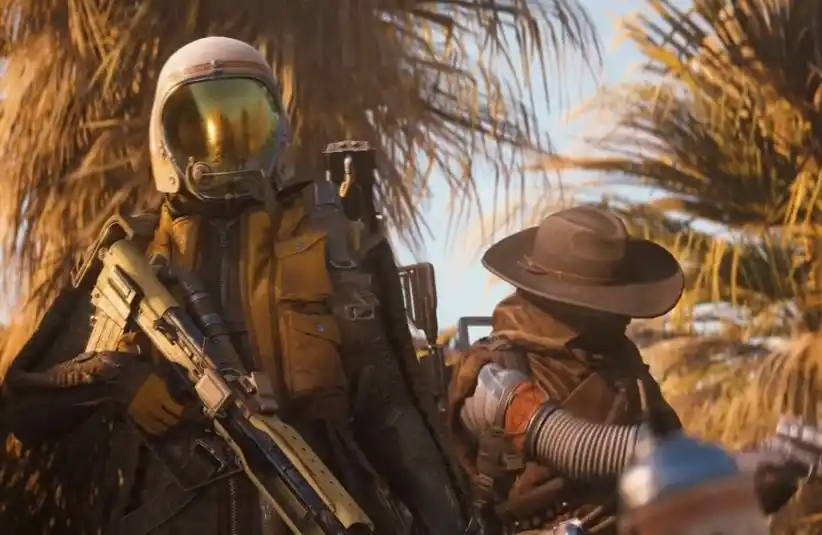
In other news, Embark has confirmed that they’re officially steering this social experiment with a new matchmaking parameter. This new system, which groups players based on their propensity for PvP violence alongside traditional skill and party size metrics, has already been implemented by the team. Only the architects of ARC Raiders can explain why separating the saints from the sinners was a good idea.
Their ultimate goal was to refine the conflict and not eliminate it, creating more consistent and enjoyable tensions for all playstyles. The game theoretically offers players who prefer a more collaborative, PvE-focused run, though the threat never fully vanishes. Conversely, those who live for player-versus-player action will find themselves in more volatile sessions.
The developers, who aim to curb the extreme frustration of a peaceful player constantly being farmed by experts in betrayal, created the Aggression-Based Matchmaking mechanic. The introduction of this system acknowledges a key reality of ARC Raiders as its population grows. Given that this massively popular game attracts millions with different desires, developers catering to that spectrum prove essential for longevity.
Villains Make the Hero’s Journey
Whether this technological nudge makes the world of ARC Raiders a slightly more predictable place is yet to be seen. Although it may smooth out the most jarring mismatches in player intent, the fundamental thrill of the unknown remains a mystery. Despite the potential for a sudden, shocking betrayal still lurking in every shadow, fans don’t want the game in any other way. After all, a game entirely about trust and risk needs participants willing to break that trust to work. So, what’s the enduring lesson that fans can learn from playing this popular shooter? That sometimes, a few villains are needed to make the heroes feel truly heroic.