
How a Failed Launch Closed Splitgate’s Portal for Good in 2026
Splitgate serves as a cautionary tale about how quickly hype can evaporate in the modern gaming landscape. Developer 1047 Games rode an enormous wave of popularity with the original title. Furthermore, it fulfilled its promise in creating a fresh twist on arena shooters with its inventive portal mechanics. Given this initial success, the sequel’s failure is particularly stark and bewildering. So, what exactly caused such a dramatic fall from grace?
The Unraveling of a Arena Dream
Controversies plagued the launch of Splitgate 2, which included a poorly received marketing campaign and accusations of predatory microtransactions. As a result of these issues, the core fan base trashed the game behind immediately. Player counts imploded, leading to a frantic retreat back to beta and subsequent layoffs at the studio. Although this desperate pivot forced the team to rebrand the game as Splitgate: Arena Reloaded, it failed to recapture any meaningful momentum.
This swift collapse sends clear signals through the wider entertainment industry, as it demonstrates the extreme fragility of player trust. Additionally, a single botched launch can permanently cripple a franchise, no matter its previous potential. These innovative mechanics aren’t enough to sustain a game if the surrounding business model feels exploitative or disrespectful to the audience.
Splitgate and the Fragility of Trust
For other developers, the Splitgate story is likely a masterclass in what to avoid, particularly regarding communication and monetization. On the other hand, fans are encouraged to “wait and see” when it comes to live-service sequels rather than pre-ordering due to their growing wariness towards them. Additionally, this rapid decline reveals the power that streamers and content creators have as barometers for a game’s health.
Due to this, their abandonment of Splitgate created a vicious cycle that starved the game of essential visibility. Therefore, what does the industry learn from an overcrowded market? Specifically, there are rarely second chances, making first impressions more critical than ever. The current state of Splitgate is undeniably bleak, with the rebranded Arena Reloaded managing to attract only a tiny fraction of its former audience.
The Vicious Cycle of Player Churn
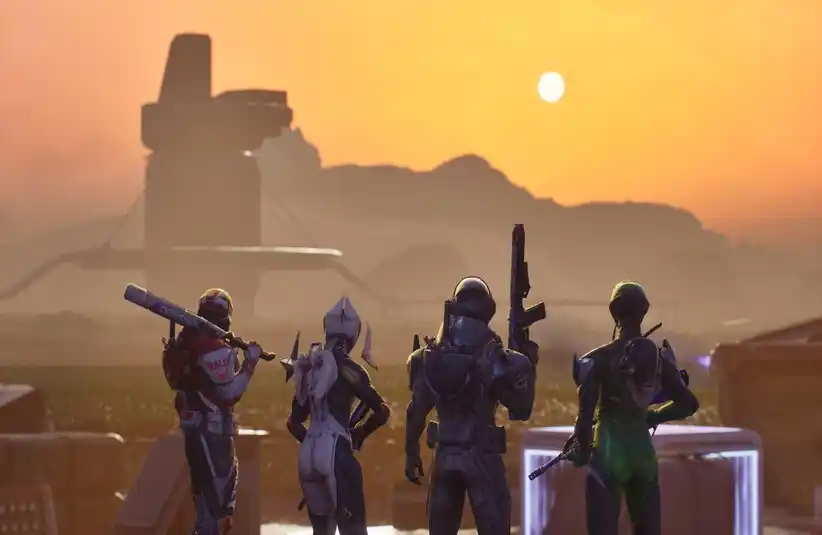
Specifically, its player counts are now measured in the hundreds rather than the tens of thousands. So, Given its uncertain future and diminished community, why would any game that feels like it’s on life support be worth playing? The once-thriving spectator scene on platforms like Twitch has completely vanished. Moreover, it removed a key pillar of social proof and shared excitement.
This move creates a barren environment where matchmaking struggles and the overall experience feels hollow. For many fans, the original vision for Splitgate, a vibrant competitor in the arena shooter genre, feels like a distant memory. The game’s legacy could ultimately be a case study in mismanagement rather than a celebration of its clever portal-based gameplay.
It’s unclear if a game can truly recover from losing the faith of its entire community. According to the data, player sentiment is usually the deciding factor. Once fans reach a permanent state of disappointment, it’s nearly impossible to bring back a game’s fanbase. This disillusionment tends to overshadow every update for Splitgate. The game is now met with skepticism instead of anticipation, a toxic atmosphere for any live-service title.
A Damaged Brand Beyond Repair
The brand itself may be irreparably damaged, requiring the developers to create a completely fresh start under a new name. In today’s climate, the success of a game hinges upon a good idea, and whatever comes after determines its survival. What the industry can learn from Splitgate is that it reveals a tough lesson in the importance of preserving player goodwill above all else. Unsurprisingly, a promising game stumbling out of the gate means that its rise and fall will be referenced for years to come.