The Development of Divinity Sparks Holy War Over AI in Gaming
As the ongoing industry debate over the use of generative AI in game development continues, the next Divinity game finds itself becoming the latest focal point. According to Larian Studios CEO Swen Vincke, the development team is experimenting with the technology during the early ideation phase for the highly anticipated RPG. So, why is a studio’s limited, yet transparent, use of AI causing such a significant uproar?
Divinity’s Pre-Release Drama Heats Up
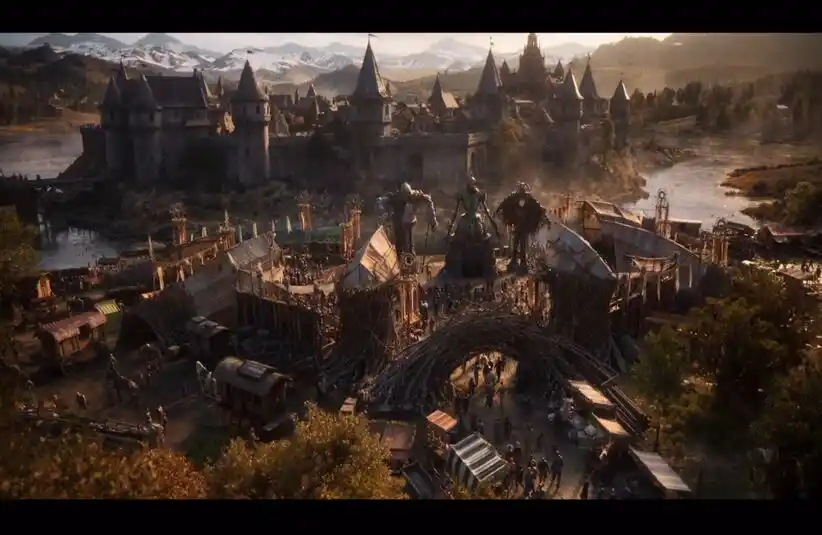
Although Vincke’s firm assurance that Divinity will ship with zero AI-generated assets, this revelation sparked immediate controversy within the gaming industry. Additionally, Vincke confirmed that the game will only feature human-crafted writing and performances. The core issue lies in the deep ethical and environmental concerns that shadow the technology, regardless of its final application. Vinche positioned AI merely as a potential tool for early-stage efficiency, not a replacement for artists, emphasizing that the creative process itself cannot be accelerated.
Meanwhile, other developers, such as Adrian Chmielarz of The Astronauts, expressed sympathy for Larian’s position. Chmielarz specifically stated his own studio would not employ generative AI in “Witchfire.” Only time will tell if the gaming community is unfairly targeting a beloved developer like Larian for simply being honest about its process. For many players, this backlash arises from any corporate adoption of the toolset, which feels like a step onto a slippery slope, even when intentions seem pure.
When Your Dev Tools Become News
The wider entertainment industry is ultimately impacted by this situation in complex ways. While it forces a public negotiation of the ethical boundaries for AI, studios are placed under a microscope for any perceived endorsement of the controversial technology. Furthermore, fans are left with anxiety about the authenticity and soul of future projects, potentially eroding trust in even the most respected developers.
As this debate highlights a growing consumer demand for transparency, players want to know exactly how their favorite worlds are built. While this scrutiny can stifle experimentation, it also encourages studios to publicly reaffirm their commitment to human creativity. Not only that, but a cultural divide between technological pragmatism and artistic purism is accelerated. This conflict will ultimately define production philosophies for years to come.
The Unintended Saga of Divinity’s Tools
Does this saga surrounding Divinity reveal that the conversation is no longer about distant, fully AI-generated shovelware? Not really, as the integration of the technology into flagship projects from top-tier studios is also picking up steam in many debates. This incident could push other developers foster secrecy over transparency, making them less likely to discuss their internal tools and processes openly.
The intense reaction Larian received may indeed push such experimentation behind closed doors. That said, it’s entirely up to the development team to navigate the challenging task of reassuring a skeptical fanbase. Not only that, but they must continue their work on Divinity, which promises to be another monumental RPG.
A Divine Intervention is Needed for AI
The heated Divinity AI discussion will spread throughout the gaming industry. As a result, studios must strike a precarious balance between innovation and perceived artistic integrity. Larian’s experience demonstrates that player trust is fragile and highly sensitive to the methods behind beloved games. Due to this public reckoning, developers will likely push for more guarded communications regarding their use of emerging technologies.
For a significant portion of the audience, the human element is non-negotiable in creative works. The definition of “human-made” in an AI-assisted world will remain a central point of contention moving forward. However, the legacy of Divinity may well be shaped as much by this development controversy as by its final narrative and gameplay.