
Nintendo Stock Falls $14 Billion as Semiconductor Fears Grow
Nintendo just took a gut‑punch on the markets, shedding $14 billion in value as chip shortage fears rattled investors. The company’s stock dropped more than 6% in Tokyo trading, its sharpest single‑day fall in years, and the timing couldn’t be worse: holiday season demand is peaking, and Nintendo’s next‑gen console is looming on the horizon.
The Chip Squeeze
According to Insider Gaming, the sell‑off was triggered by reports that Nintendo is struggling to secure enough semiconductors to meet production targets. That’s not just a supply chain hiccup—it’s a reminder that even gaming giants are at the mercy of global chip availability.
Semiconductors power everything from Switch consoles to Joy‑Cons, and shortages mean fewer units on shelves, slower rollouts, and jittery investors who see missed sales as missed opportunities.
Investor Jitters
Moneyweb notes that the $14 billion wipeout reflects broader anxiety about the gaming sector’s reliance on fragile supply chains. Nintendo isn’t alone—Sony and Microsoft have faced similar bottlenecks—but the timing here is brutal.
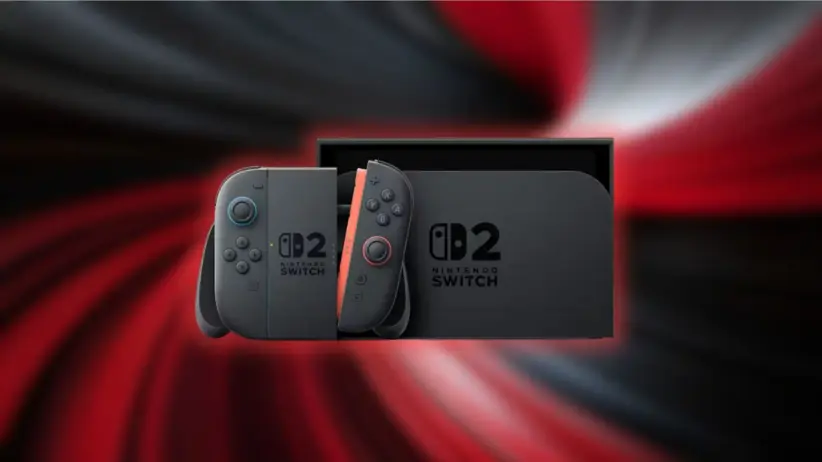
With Nintendo expected to unveil its successor to the Switch in 2025, investors are already nervous about whether the company can deliver enough units to meet demand. A chip squeeze now raises the specter of launch shortages later, and that’s the kind of narrative Wall Street hates.
What This Means for Nintendo’s Next Console

For players, the immediate impact might be subtle—Switch consoles are still widely available, and Nintendo’s holiday lineup is strong. But here’s the bigger picture: momentum:
- Hardware launches: If chip shortages go on, well, Nintendo’s next console could face the same scarcity that smacked the PS5 in the face.
- Revenue streams: Fewer consoles sold means fewer game sales, accessories, and subscriptions tied to hardware adoption.
- Market confidence: A $14 billion drop isn’t just numbers—it’s a signal that investors are bracing for turbulence.
Cultural Fallout
Nintendo has always been seen as the “steady hand” in gaming—less volatile than Sony, less aggressive than Microsoft. But this stumble shows that even the most family‑friendly brand can’t escape the domino effect of global supply chains.
The irony? Nintendo’s charm has always been about simplicity—colorful consoles, accessible games, nostalgia‑driven marketing. Yet behind the curtain, it’s as vulnerable to semiconductor shortages as any tech giant.
Silicon Drives the Future of Play
Nintendo’s $14 billion slide is a wake‑up call. The chip shortage isn’t just a tech industry story—it’s a gaming story, a cultural story, and a reminder that even Mario can’t jump over supply chain bottlenecks.
As 2026 approaches, the question isn’t whether they can deliver its next console—it’s whether it can deliver enough of them. Investors are nervous, fans are watching, and the chip squeeze is proving once again that silicon, not software, drives the future of gaming.