
7 Shocking Ways NVIDIA’s VRAM Shake‑Up Could Skyrocket GPU Prices
If you have been trying to build a PC lately, you already know the pain. You look at your bank account, look at the prices of NVIDIA cards, and then you probably look for a stiff drink. Just when we thought the market might be stabilizing, a new rumor has surfaced that could throw a wrench into the gears of the entire graphics card industry. It sounds like NVIDIA might be changing the rules of the game for its board partners, and sadly, it is rarely the consumer who wins in these scenarios.
According to the latest gossip from the tech world, specifically from a leaker with the incredible handle “Golden Pig Upgrade Pack,” NVIDIA is planning to stop bundling VRAM with its GPU dies. If this holds true, it represents a massive shift in how NVIDIA handles its supply chain, and it could spell trouble for anyone hoping to snag a budget-friendly card in the near future.
The Breakdown: How NVIDIA Usually Sells GPUs
To understand why this is a big deal, we have to look at how the sausage (or the silicon) gets made. Typically, when companies like ASUS, MSI, or Gigabyte want to build a GeForce RTX card, NVIDIA sells them a package deal. This kit usually includes the GPU die (the actual brain of the card) and the video memory (VRAM) to go with it. It is a one-stop shop that streamlines the process. NVIDIA uses its massive buying power to secure memory from manufacturers like Samsung or Micron, and then passes that along to the folks building the cards.
However, the rumor mill suggests NVIDIA wants out of the memory middleman business. The idea is that NVIDIA will only ship the GPU die itself. This leaves the board partners to go out into the wild and hunt down their own GDDR6 or GDDR7 memory.
Why Would NVIDIA Do This?
You might be asking why NVIDIA would complicate things. The answer, as it often is in the tech world, points back to the current AI explosion. The demand for high-speed memory is through the roof because every tech giant wants to build the next Skynet. This demand has pushed memory prices into the stratosphere.
By decoupling the VRAM from the GPU die, NVIDIA effectively protects its own margins. They no longer have to eat the cost of fluctuating memory prices or manage that inventory. Instead, NVIDIA passes that risk directly onto the board partners. It is a smart business move for NVIDIA, but it creates a logistical nightmare for the companies actually assembling the cards you want to put in your rig.
The Hunger Games of VRAM
This shift creates a serious imbalance in the force. Big players like ASUS and MSI have deep pockets and existing relationships with memory fabricators. They can likely weather the storm, secure the memory they need, and keep pumping out cards. But what about the smaller guys?
Smaller vendors like Inno3D or Gainward rely heavily on that NVIDIA bundle to stay competitive. If they have to fight for scraps in a memory-starved market, they are going to lose. They might not be able to secure enough VRAM to fulfill orders, or they will have to pay a premium for it. This could lead to a consolidation of the market where only the biggest brands survive, reducing competition. And we all know that less competition usually means higher prices for us.
What This Means for Gamers
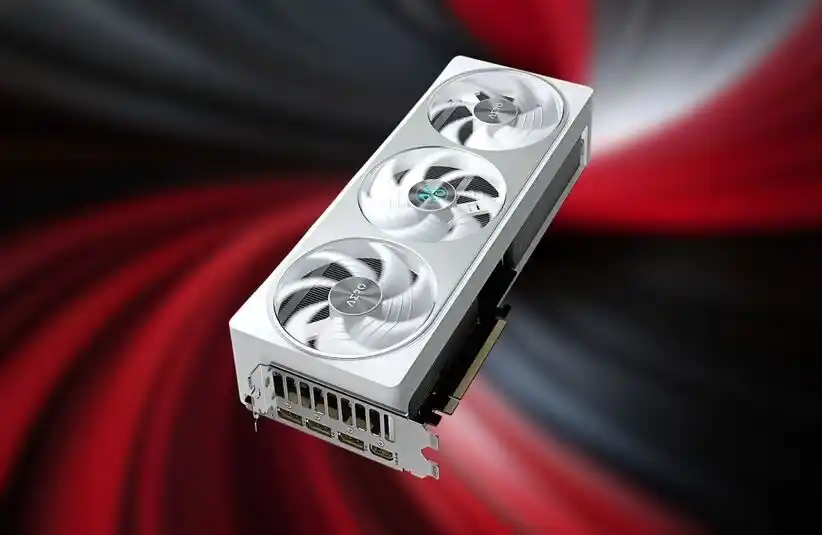
If they go through with this, we are looking at potential delays and price hikes. If a board partner cannot source memory, they cannot ship the card. It is that simple. We could see a shortage of mid-range and budget cards because manufacturers will prioritize their high-end, high-margin products if memory becomes scarce.
So, if you were saving up for a budget build, you might want to keep a close eye on this situation. The NVIDIA tax is already a meme at this point, but supply chain chaos could make the MSRP look like a distant dream.
Should You Panic Buy an NVIDIA Card?
Before you run out and max out your credit card on a GeForce RTX 4090, take a breath. This is still a rumor. NVIDIA has not confirmed anything, and board partners might push back. However, where there is smoke, there is usually a fire (or an overheating connector).
If you absolutely need an upgrade right now, buying sooner rather than later might be safer given the volatility. But if your current rig can still run Cyberpunk 2077 without catching fire, it might be best to wait and see how this plays out. Just remember, in the world of PC hardware, the only constant is change, and usually, that change involves NVIDIA making a lot of money while we cry into our empty wallets.