NES: Top 10 Hidden Gems for the Console
Released in the North American market back in October 1985, the Nintendo Entertainment System (NES) was not only highly successful but also averted the video game crash of 1983. And having already written multiple articles focusing on older, less popular video game releases (and the fact that the 40-year milestone of its Western release is approaching in just a few months), I suppose it’d be fun to look back at some “hidden gems” the console had to offer.
10. The Goonies II (1987)
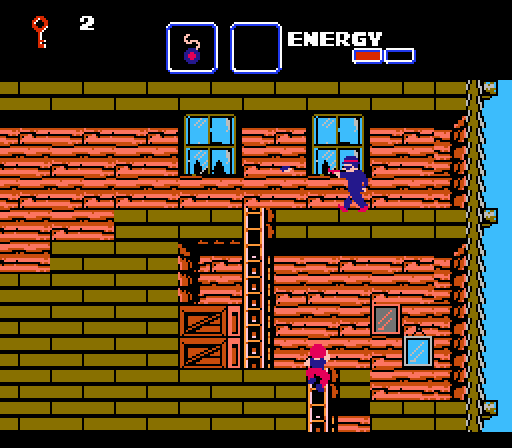
Admittedly included here more out of personal nostalgia than objective quality (it’s commonly agreed to be cryptically – even unfairly – vague about how to progress at certain points), there’s just something really quaint about The Goonies II that keeps me from outright despising it. Having been (and continuing to be) a massive fan of the 1985 movie since my childhood, I fondly remember picking up the game from our local rental store and trying (in vain) to beat it more times than I can definitively count…with the 8-bit rendition of “The Goonies ‘R’ Good Enough” still being a highlight.
9. Uninvited (1991)
Developed as an enhanced port of an earlier, black-and-white Macintosh game released back in 1986, Uninvited was among the very first horror-focused video game I ever played (albeit, nowhere near the relative complexity or morbidity of later titles like Resident Evil or Silent Hill). While I was too young and impatient back then to properly stick with and appreciate what was a type of visual novel, I still remember having fun being spooked by the simultaneously eerie and goofy “funhouse” visuals.
8. Bucky O’Hare (1992)
Released as a promotional tie-in for the ill-fated Bucky O’Hare & the Toad Wars! animated series and toy-line, the NES version of Bucky O’Hare – later followed by a different arcade version in the same year – was a surprisingly well-crafted title that utilized a Mega Man-style level select format, tasking you with finding and recruiting imprisoned characters across multiple planets. Rescuing Bucky’s crew members allows players to freely select, control, and use them to help make further in-game progress, each possessing special abilities and attacks that offer additional gameplay options.
7. Abadox: The Deadly Inner War (1989)

In what I half-jokingly and half-seriously credit as an early influence towards my older self’s bizarre fascination with the “body horror” subgenre, the (ruthlessly hard) scrolling shooter game Abadox: The Deadly Inner War was a then-shockingly grotesque title released for the NES. Abadox tasks players with stopping the titular menace: an entire planet now completely overgrown, assimilated, and controlled by a parasitic lifeform that will soon consume even more planets to increase its biomass…the very same biomass that you’ll have to venture deep into and destroy from the inside.
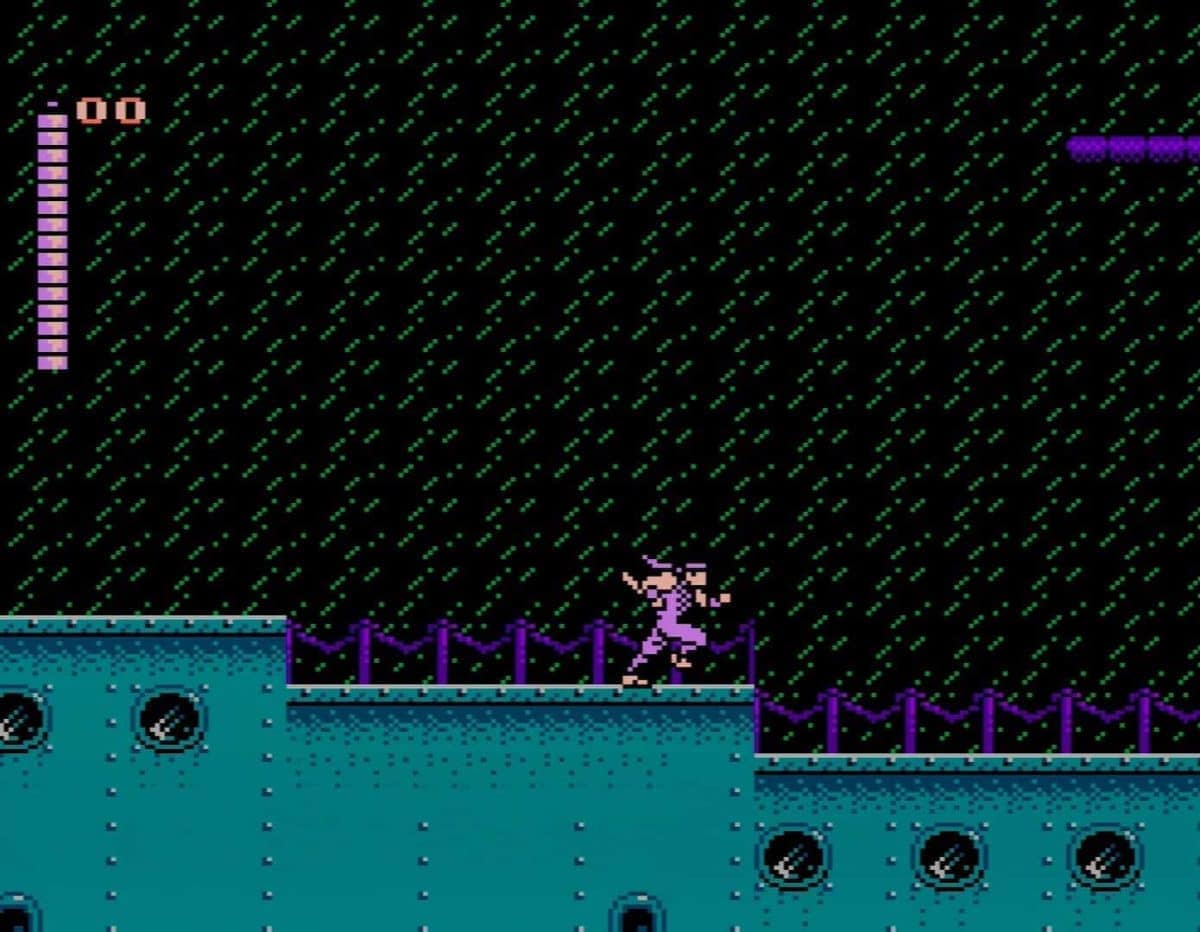
6. Shadow of the Ninja (1990)
Even though Shadow of the Ninja was ostensibly drowned out by the then-notable deluge of other, more popular ninja-focused video games for the NES, it was still an admirably well-made (and generally well-liked) action-platformer that offered simultaneous two-player co-op. Later earning retroactive accolades for its high-quality design and gameplay (and even gaining a greatly enhanced remake in 2024), Shadow stands as a really fun and fantastic “sleeper hit” worth spending time with.
5. TMNT II: The Arcade Game (1990)
Speaking of highly popular ninjas featured in an admirably well-made co-op action release (despite certain drawbacks), Teenage Mutant Ninja Turtles II: The Arcade Game was an attempt to port the 1989 arcade game to the NES: more or less pulling it off, but with an obvious downgrade in the latter’s audio-visual presentation. However, not having direct access to the arcade title obviously made TAG a very appealing home console entry at the time, as supported by two exclusive levels with brand-new bosses (not to mention being released during the height of the “Turtlemania” period).
4. Gremlins 2: The New Batch (1990)

Including another frequent rental from my childhood based on another 1980s IP that I was (and still am) obsessed with, the NES version of Gremlins 2: The New Batch saw Sunsoft once again successful taking a then-big movie release and making a really decent tie-in video game out of it (like they previously did with the 1989 Batman film). The game, which is presented in a “top-down” camera view, puts players in the role of series mascot Gizmo as he makes his way through the film’s massive “Clamp Center” skyscraper while battling with the new batch of gremlins causing havoc.
3. Little Nemo: The Dream Master (1990)
Serving as a video game tie-in for a 1989 Japanese animated movie (albeit, specifically produced for a Western audience and developed to accommodate English voice-acting first) that didn’t receive a limited U.S. release until 1992, Little Nemo: The Dream Master is just a wonderfully simple, fun, and well-made NES title. Nemo is appropriately colorful and dreamlike in its graphical presentation, as supported by serviceable gameplay and (in my opinion) an excellent soundtrack; furthermore, the game and movie are something of a gateway into animation history and the works of Winsor McCay.
2. Blaster Master (1988)
As I previously alluded to, Blaster Master (a reworked version of the Japanese game Chō Wakusei Senki Metafight) is an interesting combination of left-to-right “run-‘n-gun” platformer stages where you directly control a futuristic tank with on-foot stages where you leave the tank and traverse top-down mazes that frequently end in battles with giant (and notably difficult) bosses. While sometimes frustrating to navigate, the labyrinthine structure of both stage formats is surprisingly complex for an older NES title, providing a nice sense of exploration further refined in future “Metroidvania” games.
1. The Battle of Olympus (1990)

And returning to a video game I mentioned all the way back in my very first article published here on Total Apex, The Battle of Olympus is still one of my all-time favorite releases for the NES, despite taking obvious “influence” from Zelda II: The Adventure of Link. Again, the use of Greek mythos as the game’s backdrop remains very appealing, as does its serviceable visual and aural presentation (in the latter case, the name/password entry theme is a legitimately fantastic piece of 8-bit music).