Ubisoft’s Reset Button Stuck on Cancel Following Delays, Cancellations, and Falling Valuations
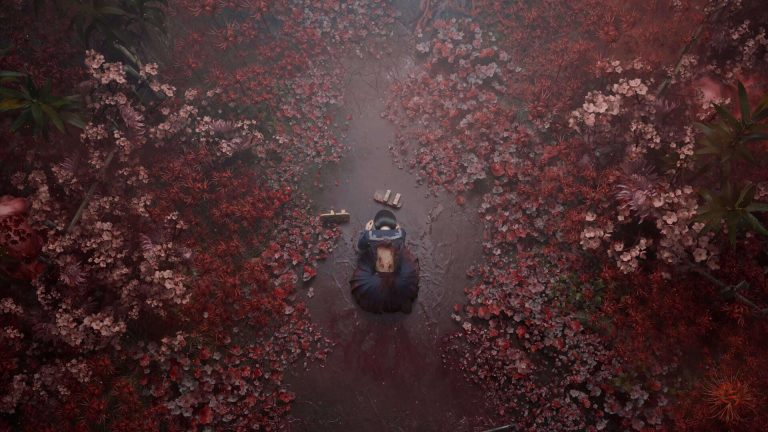
Ubisoft has just announced a rather dramatic corporate spring cleaning, and the dustbin contains some surprisingly big names. The French gaming giant has officially canceled six video game projects, with the most shocking casualty being the long-awaited Prince of Persia: The Sands of Time remake. This move sits at the heart of what the company is grandly labeling a major operational reset. Does chopping a beloved remake really scream forward momentum?
Guillemot’s Bitter Pill for Ubisoft
Apparently, the executives at Ubisoft think so, as they are also shuttering two development studios and hitting the delay button on seven other titles in one sweeping motion. Boss Yves Guillemot is putting on a brave face, insisting these brutal cuts are the necessary pain before the gain of sustainable growth. Wall Street, however, was less convinced, responding by sending Ubisoft shares into a tailspin with a staggering thirty-three percent drop.
Frankly, the timing of this whole saga feels a bit odd to anyone watching the industry. Right now, the entire business is cashing in on nostalgia, with remakes and remasters of old classics flying off digital shelves. So, the decision to deep-six the remake of a fan-favorite million-seller like Sands of Time has left a lot of people scratching their heads.
Ubisoft Trims the Fat, and the Muscle
What other secret projects got tossed out with the trash? Ubisoft is playing its cards close to the chest, only admitting that the doomed list includes four games no one had even heard of yet—three of which were brand new ideas—and one lonely mobile title. This very specific carnage tells you exactly what keeps the current leadership at Ubisoft awake at night.
As part of this corporate downsizing, Ubisoft has turned out the lights at its studios in Stockholm and Halifax. The Swedish team was beavering away on a fresh intellectual property, while the Canadian crew was focused on mobile adventures for Assassin’s Creed. The closure of Ubisoft Halifax adds a particularly sour note, as it came just one week after the staff there successfully formed a union.
Assassin’s Creed Survives the Corporate Creed
Guillemot describes these grim decisions as tough but essential medicine for creating a leaner, more focused company. Can you really fix a creative culture by locking the studio doors? The CEO seems to believe this is a definitive turning point for Ubisoft, a harsh but needed step to reshape the whole operation for the future.
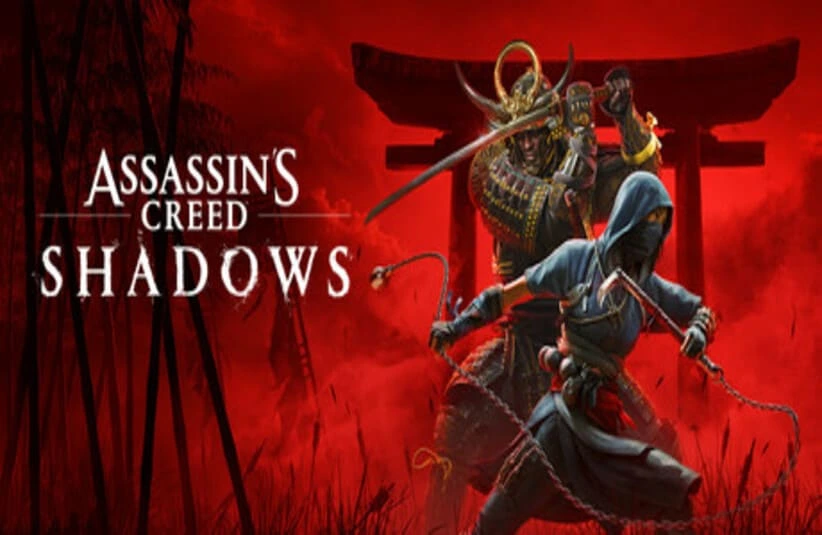
Industry experts like Piers Harding-Rolls see this as a classic, if brutal, exercise in risk management. In today’s shaky market, it is infinitely safer to dump truckloads of cash into a guaranteed moneymaker like Assassin’s Creed than to gamble millions on an untested new concept. This cold logic is painfully clear in Ubisoft’s choice to scrap those three unannounced new worlds.
The High Cost of Killing Your Darlings
Is the era of big-budget creative gambles officially over for major publishers? This restructuring is actually the second significant shake-up for Ubisoft in recent memory, following a round of job cuts across Europe just last year. The company is visibly wrestling with the punishing economics of modern game development.
Guillemot points directly to those harsh realities: a brutally competitive market where the cost of making a triple-A game has gone absolutely bonkers. Launching a new blockbuster franchise is a Herculean task now, even for a veteran player like Ubisoft. With industry titans like the next Grand Theft Auto facing their own lengthy delays, the pressure is immense.
When Corporate Reset Means Creative Retreat
Yet, Guillemot also argues that a hit today can be more profitable than ever before. Will this all-or-nothing bet on existing brands actually work out for Ubisoft? The new plan is to go all in on what they know best: gigantic open-world playgrounds and live-service games built to generate revenue for years. Looking forward, the focus for the company will be insanely narrow.
The company plans to pour all its energy and euros into its biggest open-world and live-service franchises. On top of that, its subsidiary Vantage Studios, which just got a huge cash infusion from Tencent, has been handed a magical mission. Their job is to somehow turn Assassin’s Creed, Far Cry, and Rainbow Six into what they call annual billionaire brands. This is the new gospel for Ubisoft, a strategy written in the ink of cancellation and consolidation.
Ubisoft’s Portfolio Gets a Ruthless Edit
Ubisoft is enduring a painful period of contraction to ensure its survival. The cancellation of six games, including a high-profile remake, signals a strategic withdrawal. Studio closures and multiple delays underscore the severity of this corporate overhaul. The company is explicitly choosing safe, established franchises over risky new intellectual property. This mirrors a wider industry shift towards minimizing risk in a prohibitively expensive market. Ultimately, the company is staking its future on transforming its flagship series into never-ending streams of revenue.