Ubisoft’s Great Office Creed: Unity, Syndicate, and Layoffs
Ubisoft has kicked off the new year with a massive corporate earthquake, leaving its workforce and the wider industry stunned and confused. The announcement of a new ‘Creative Houses’ structure was accompanied by the grim news of project cancellations, delays, and studio closures. But will this radical reorganization actually steer the ship away from the iceberg, or is it merely rearranging the deck chairs?
The Five Stages of Ubisoft Grief
Employees across the company are grappling with that very question, their morale having been steadily eroded by years of similar upheavals. The publisher’s stated goal is to bring more order and efficiency to its sprawling empire of studios and franchises. Skepticism, however, is the prevailing mood within the ranks of the company.
Many view this as the third major cost-cutting initiative in a short period, all while leadership remains unchanged. Is anyone actually convinced that this new corporate flowchart will magically fix the underlying problems? The core of the new plan involves sorting Ubisoft’s famous IPs into five distinct Creative Houses, each with its own leadership focused on specific genres.
Inside Ubisoft’s Creative House of Horrors
A supporting ‘Creative Network’ of studios will provide technical and development muscle to these houses. On paper, it promises more structured development and better resource allocation for a company that often feels chaotic. For the developers assigned to the Network, however, anxiety is particularly high. Their roles are described as support, leading to fears that they are now seen as disposable overhead rather than core creative talent.
Could this entire restructuring simply be a prelude to selling off valuable IPs or forming easier partnerships with other corporations? That’s a theory gaining traction in some circles, as people search for a deeper rationale behind the chaos. Very few believe meaningful change is possible when the architects of the current decline are still firmly in charge.
Ubisoft Finds 200 Million Euros Under the Couch
This sentiment is especially acute for teams now listed under the Creative Network, which includes studios like Reflections, Red Storm, and Ubisoft Belgrade. Documentation obtained by Insider Gaming shows that around twenty studios have been placed in this auxiliary category. While the Creative Houses have been given their franchises and roadmaps, the Network studios are reportedly waiting for clarity on their specific duties.
This ambiguity fuels the perception that they are easy targets for the next round of cuts. Ubisoft has already announced its intention to find another 200 million euros in savings by 2028, a target that almost certainly means more job losses. Why would any developer feel secure when their entire department has been functionally sidelined in a new corporate diagram?
An Assassin’s Creed for Corporate Restructuring
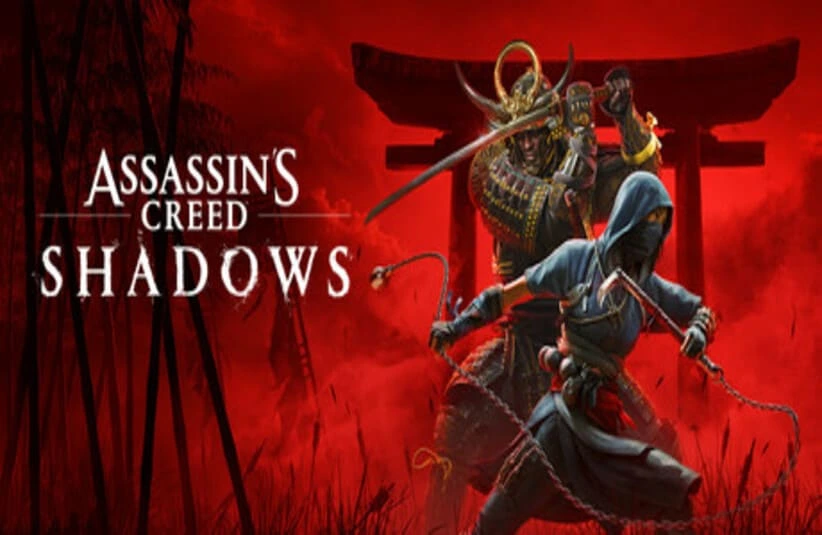
The human cost of this corporate strategy is becoming painfully clear, with French unions at Ubisoft Paris already planning strike action in response to hundreds of planned cuts at headquarters. The publisher’s portfolio remains undeniably strong, with the leaked documents confirming control over major names like Assassin’s Creed, Far Cry, and Rainbow Six in one house, and promising franchises like Splinter Cell and Avatar in another.
Even with this treasure trove of IPs, the mood at Ubisoft is less “creative house” and more “haunted house,” where every creak is mistaken for another email from HR. The bill for years of questionable leadership has finally arrived, and it’s being handed directly to the developers who are just trying to make video games.
The Grim Reality Behind the Corporate Jargon
Stability is now a mythical creature, like a bug-free launch, chased in a “final” cost-cutting plan that somehow has a longer development cycle than most of their actual titles. When will the constant state of restructuring finally end for the talented people who actually make the games? For a company as historically significant as Ubisoft, the current chapter feels particularly bleak, a far cry from its more innovative and confident past.
The road ahead for Ubisoft is paved with immense challenges and significant uncertainty. Its plan is a huge gamble that prioritizes corporate efficiency over creative stability, at least in the eyes of its anxious employees. The strength of Ubisoft’s IP might see it through this storm, but the cost in talent and trust could be profound.
From Open Worlds to Open Office Anxiety
Future projects may suffer from institutional whiplash and the loss of experienced developers. Whether this new structure can deliver the promised agility and quality remains an open and hotly debated question. The coming years will test whether this was a necessary rebirth or the final misstep for a gaming giant.