The UK Online Safety Act Is Here, and Oh Boy, It’s a Mess
Ah, the UK Online Safety Act. It’s finally here, folks. After years of debates, drafts, and the kind of drawn-out drama that could rival a Netflix miniseries, the OSA has come into effect. Its goals? Noble. Its execution? Hmm, that’s another story entirely. If you’re in the gaming industry, buckle up because this legislation could mean a lot of headaches, half-baked solutions, and possibly a few rage quits from smaller developers.
What Is the UK Online Safety Act?
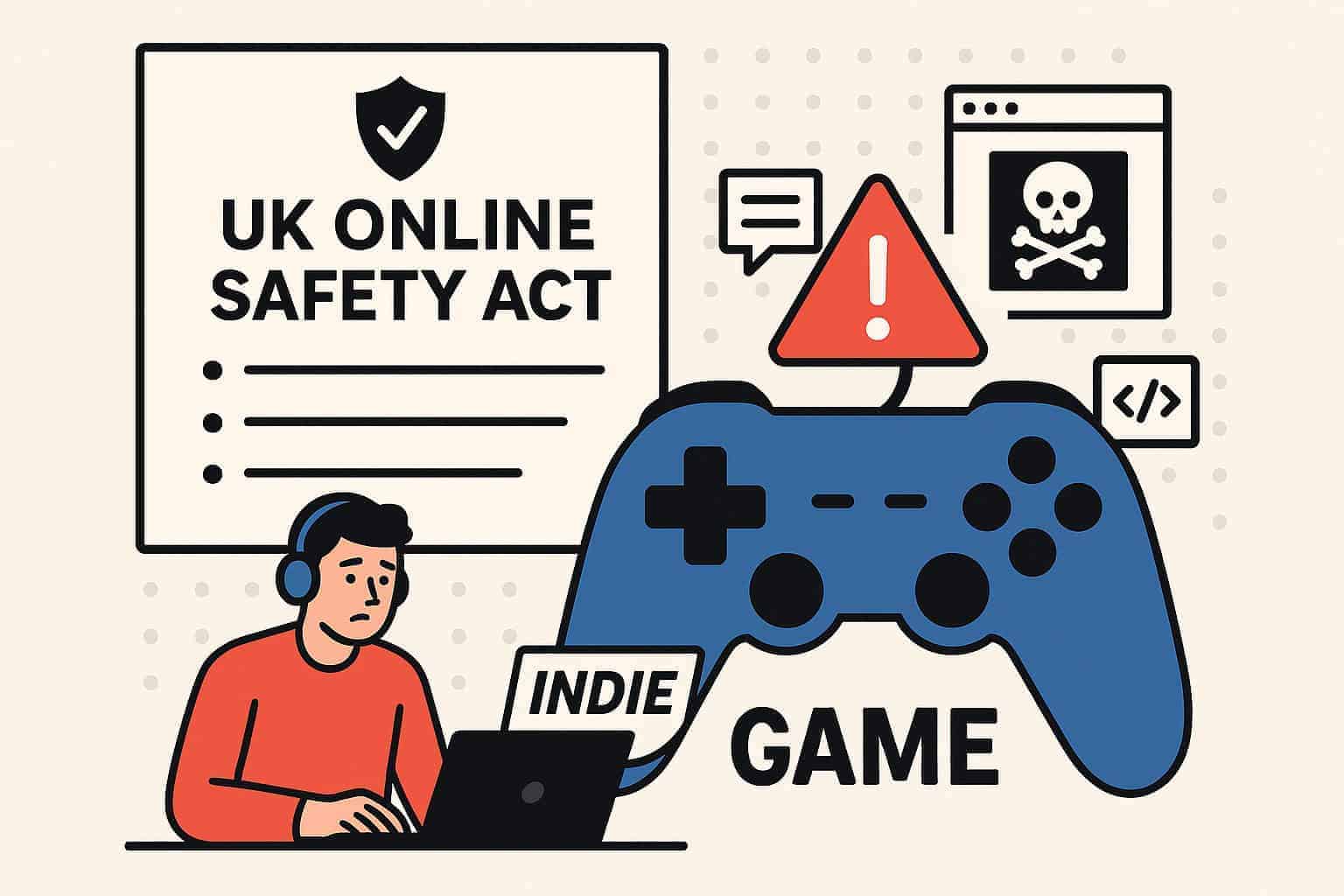
If you’re clueless (don’t worry, we won’t tell anyone), the UK Online Safety Act tries to tackle illegal and harmful content online. Sounds good, right? Well, it’s not just targeting dodgy Facebook groups spouting conspiracy theories or shady video platforms. No, this 300-page regulation monster extends its scaly arms straight into the world of video games. You know, the very industry the law barely mentions. Pull up a chair, let’s dig into this.
For Big Developers, It’s Just Another Tuesday
Oh, you’re an AAA publisher? Congratulations, you probably have the legal army, ethical departments, and millions of dollars to adapt to the new requirements. You can keep the regulators happy, roll out moderation tools, improve your already-robust reporting systems, and go back to adding loot boxes to your next big release. Epic, Roblox, Activision—these guys saw the OSA coming a mile away. No biggie, right?
Indie Developers? RIP.
Now, if you’re an indie dev working out of your garage (or more realistically, your cramped one-bedroom apartment), your life just got a whole lot harder. The OSA doesn’t care if your game has well-written dialogue or if you’ve poured your heart and soul into crafting charming pixel art. Nope, it just cares if your game has one thing the law demands you control rigorously: user-to-user communication. That means even something as basic as text chat isn’t safe anymore.
Want to comply? Get ready to shell out cash for age verification tools, content moderators, secure reporting mechanisms, and, oh yeah, maybe a lawyer to decipher the mountain of regulatory jargon. If you don’t have money for all that (spoiler alert: most indie devs don’t), your game risks getting locked out of the UK market altogether. And guess what? Nobody’s offering cheat codes for that.
Wait, Even the Big Names Are Struggling?
Yes, even some big-ish companies are messing up here. Case in point: the Janitor AI platform. They thought, “Hey, we’ll just deal with some new content moderation rules, no problem.” Then they realized the OSA brings penalties of up to £18 million if you mess up. Cue the panic button. Instead of trying to comply, they straight-up blocked UK users because learning the law and implementing solutions would’ve eaten them alive. And honestly? Can we blame them?
The Lawmakers Didn’t Think About Games? Shocking.
Gaming accounts for a massive share of entertainment, but somehow, the 300+ pages of the OSA barely reference the industry. Seriously, ONE mention. Just one. Who was in charge of thinking this through? According to George Osborn from Ukie, regulators spent way more time worrying about social media platforms while waving at gaming companies from miles away. “You’re smart, you’ll figure it out” seemed to be the mantra. Spoiler alert: they haven’t.
Why This Whole Thing Might Backfire
Here’s the kicker. This Act was supposed to rein in Big Tech. Yet, in its confusing, bloated state, it has effectively strengthened the big players who can afford compliance. Epic Games? Fine. Your cousin’s three-person indie team? Not so much. The cost of compliance alone could drive indie developers to rethink online interactions altogether. Pre-recorded responses, anyone?
Live-service games, already an incredibly challenging genre to succeed in, could see even worse fallout. Want proof? Just peek at Fortnite or Call of Duty, platforms where players practically breathe communication. For smaller studios, it’s like handing them the final boss fight with broken weaponry and no health kits. Good luck!
A Tiny Silver Lining?
To be fair, the OSA isn’t all bad. Protecting children from harmful content is genuinely essential, and it’s hard to argue against having systems in place that make online spaces safer. Research shows players actually prefer zones free of jerks and creeps. A safer, more trustworthy environment could mean a bigger audience down the line for forward-thinking developers.
But make no mistake, the learning curve here is brutal. The expectations placed on indies with limited resources? Brutal-er (yes, not a word—we’re running with it). And as Ofcom takes its sweet time rolling out enforcement, don’t expect clarity anytime soon.
Bottom Line? This Isn’t Over.
The OSA is here, but it’s far from perfect. For gamers, the changes might feel minimal. For developers, this is an evolving headache of epic proportions. Small studios will either shut their doors to UK audiences, bend over backward trying to comply, or innovate new ways to cheat the system (creativity works wonders, doesn’t it?).
If you’re in the dev world hoping for tips, here’s one word of advice: start early. Don’t wait for Oncom to knock on your door. By then, you’d better hope you’ve got deep enough pockets… or at least a really good excuse.
Game on, but like… carefully this time.