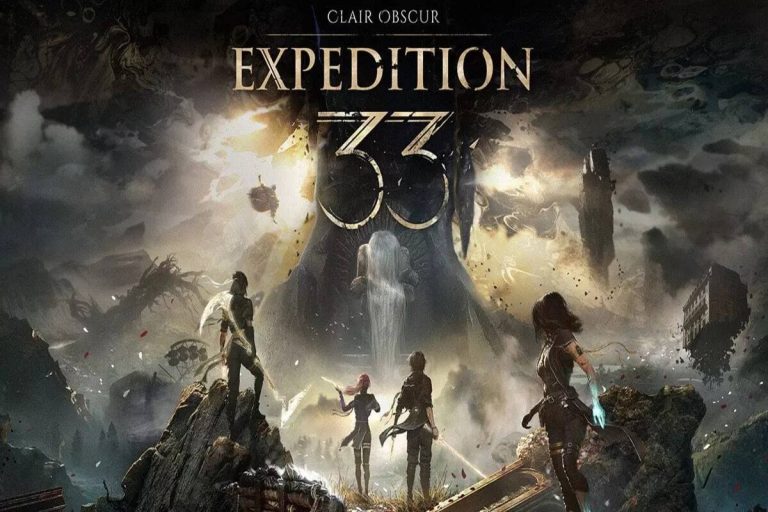

Why Video Games Are Becoming a Christmas Tradition
Christmas traditions are like save files: every generation adds its own progress. Back in the day, we were piecing together puzzles, rolling dice in board games, or capturing shaky camcorder footage of gift-opening chaos. Now, controllers and consoles are the new centerpiece of holiday bonding. Video games are not here to take away from the warmth of family gatherings; they are modding it and adding in personalized DLC. With those of us who grew up in the 90s now parenting the next wave of gamers, our old‑school nostalgia is syncing up with modern consoles to shape holiday traditions that feel like a mash‑up of retro comfort and new‑gen excitement.
Before the Console Era
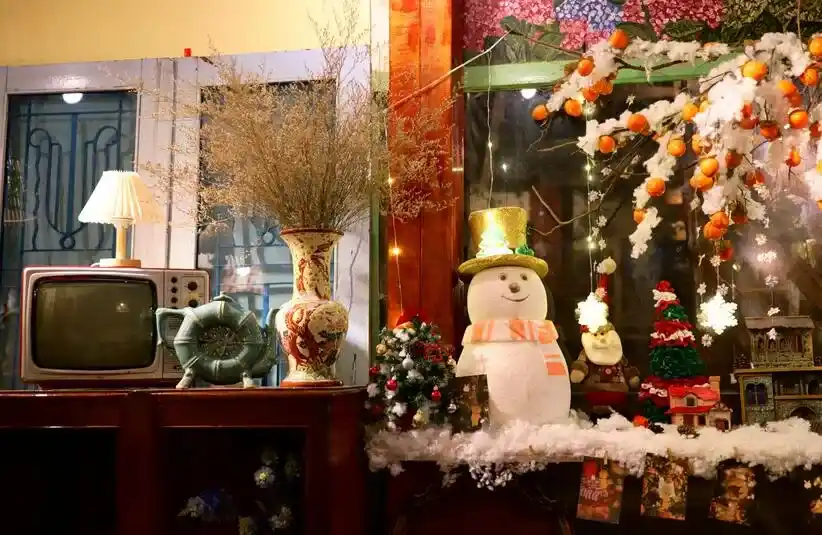
Before gaming consoles became the MVP of Christmas morning, families filled the day with board games like Monopoly or Scrabble that sparked laughter, alliances, and inevitable rule debates (looking at you, Uncle Bob). Holiday dinners turned the kitchen into the real battleground, with someone inevitably forgetting the rolls, while movie marathons kept classics like “Home Alone” or “A Christmas Story” on repeat. And it’s not like those movie‑thons have disappeared; they’re still part of the mix, but now they share space with controllers and consoles. Puzzles sprawled across dining tables, sometimes completed over the week and sometimes abandoned halfway through, and holiday stories were read aloud to kids with dramatic voices that made them giggle.
Outdoor play brought snowball fights or backyard football games that almost always ended with someone crying, and photo albums or camcorder recordings captured every awkward family moment for future embarrassment. These activities built shared memories, but they were often passive or limited to small groups. We all know grandma wasn’t out there catching the next touchdown, but rather watching through the window. Video games, by contrast, invite everyone to jump in, mash buttons, and share the chaos in real time, turning the whole family into a co‑op squad.
Nostalgia: We were 90s Kids
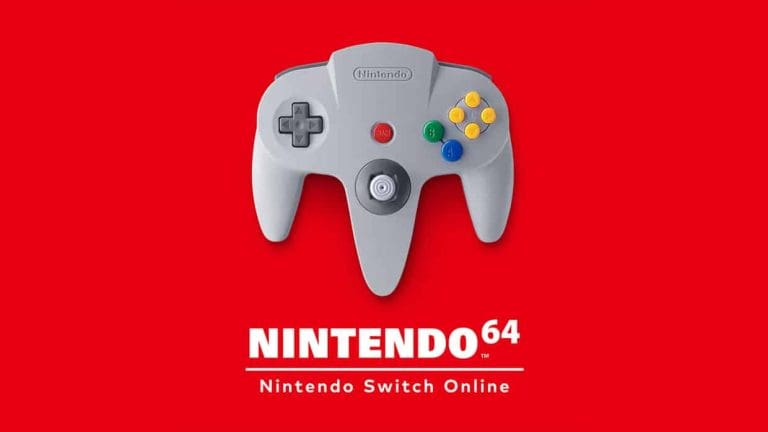
For many, gaming nostalgia hits harder than a “Street Fighter” combo. We grew up with the Nintendo 64, PlayStation, or Sega Genesis, and those memories are tied to family, friends, and late-night gaming marathons. Research even shows that nostalgic gaming can boost connectedness and optimism, basically making it science-backed holiday magic.
When we introduce our kids to “Mario Kart” or “Donkey Kong Country,” we are not just sharing a game. We are handing them a controller-shaped time capsule filled with our own childhood.
That handoff creates a generational loop that makes gaming perfect for holiday traditions. We get to laugh about our old sibling rivalries in “GoldenEye,” while our kids build their own memories with modern titles. It is nostalgia patched with fresh DLC, strengthening family bonds in the same way as passing down Grandma’s casserole recipe. And honestly, we will take both.
Family Bonding Through Games
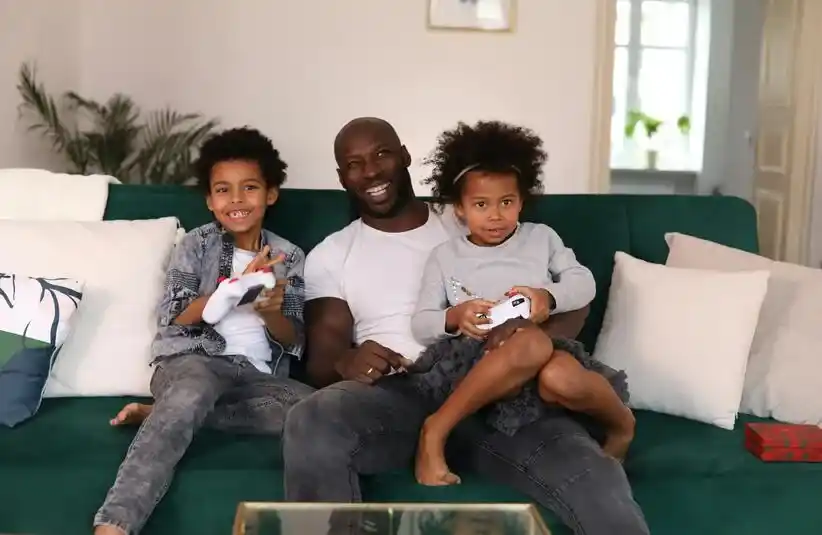
Nothing says holidays like a little friendly competition. At my place, my boys throw down against their aunt and uncle in “Boomerang Fu” or “Mario Party,” and the living room turns into a mix of cheers, groans, and victory dances worthy of a highlight reel. Video games are the perfect storm, because they allow families to come together in ways that are both chaotic and heartwarming:
- Shared goals: Cooperative titles such as “Minecraft” or “Overcooked” turn teamwork into a holiday sport, where building castles or serving digital soup feels just as festive as carving turkey.
- Playful rivalry: Party games are a competition, fueled with laughter, trash talk and of course a rematch (with grudges rarely lasting beyond the next round).
- Accessibility: Picks like “Just Dance” or “Switch Sports” are easy enough for non‑gamers to join, so even Grandma can bust a move or swing a virtual racket.
- Generational bridges: Retro not only lets us revisit our own childhood, but also introduces the classics to the next generations. This turns family time into the ultimate cross-generation co-op experience, like unlocking the best family DLC ever.
Studies show that kids often ask for video games at Christmas not just to play alone, but because they want those shared experiences with parents and siblings. The living room becomes a multiplayer lobby where everyone gets a turn. It is family game night, only leveled up with pixels and power‑ups.
Cultural Impact: Pros and Cons
Video games as a Christmas tradition reflect how much our culture has evolved in the digital age. As with any changes that may come about throughout time, there will always be people who see the good and the bad. But what are the cultural impacts of video games as a Christmas tradition?
Pros:
- Connection across distance: Time together can be shared with those near and far through online play.
- Interactive engagement: Games demand participation and teamwork
- Nostalgia preservation: Although you no longer to blow into your video game to make it play, bringing those retro games into the present allows traditions of the past to live in a new format.
- Inclusivity: Whether you are young or old, skilled or newb, video games make it easy for everyone to join in.Connection across distance: Time together can be shared with those near and far through online play.
- Interactive engagement: Games demand participation and teamwork
- Nostalgia preservation: Although you no longer have to blow into your video game to make it play, bringing those retro games into the present allows traditions of the past to live in a new format.
- Inclusivity: Whether you are young or old, skilled or newb, video games make it easy for everyone to join in.
Cons:
- Screen fatigue: Spend too long glued to pixels, and suddenly the offline holiday magic feels like it’s running on low battery.
- Commercialization: The continuous development, flashy ads, and the ever-growing price tag that goes along with gaming can hit family budgets like a critical hit.
- Reduced outdoor play: More time indoors means fewer snowball fights and backyard scrimmages, leaving past‑generation traditions benched.
- Digital dependence: Holidays risk turning into side quests for tech instead of staying grounded in real‑world connections.
Reflection: Old Traditions, New Tools
Times may have changed and evolved with technology, but the heart of Christmas is still the same. Families still gather to laugh and make memories, but the tools have upgraded. Same fun, just better graphics. Video games aren’t replacing tradition; they’re expanding it. They allow those to remember their past, give children the ever precious bonding time, and cross‑generation co‑op play.
What does the future of the holidays hold? Gaming has stood the test of time, and gaming will continue to shape holiday rituals, fusing classical mechanics with new technology into a hybrid tradition. Whether it is a “Mario Kart” race after dinner or a VR snowball fight, video games highlight that family traditions are defined not by the medium but by the connections they create. They are about the joy of playing together. And honestly, is that not what Christmas is all about?