
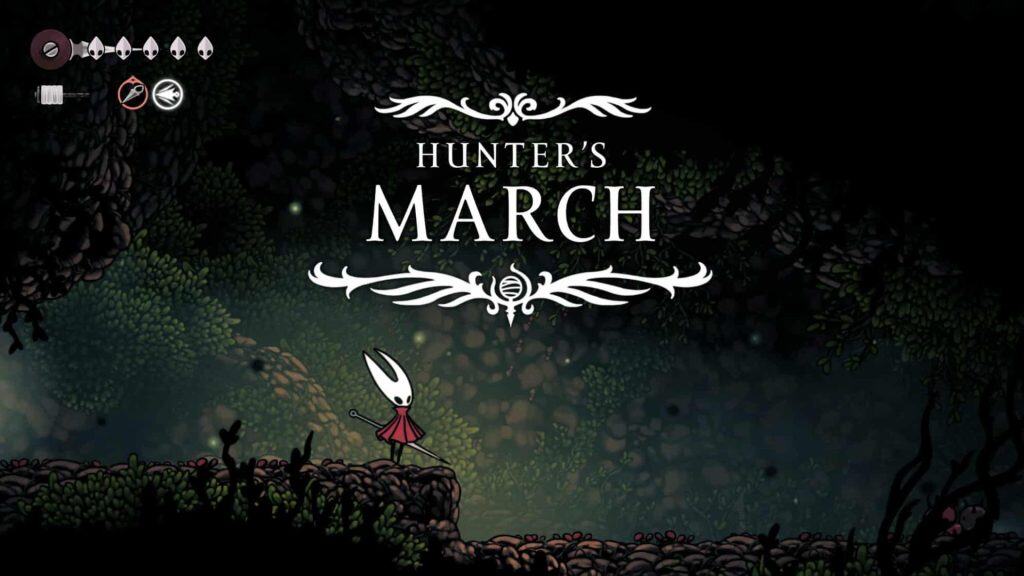
Hollow Knight: Silksong—Mastering the Diagonal Bounce in Hunter’s March
Here’s a guide for your Silksong troubles. You’ve seen them. Those crimson blooms, dangling like cursed ornaments across Hunter’s March. Maybe you paused. Maybe you thought, “Not yet.” But spoiler: yes, now. Those red flowers aren’t background—they’re your lifeline. Your ladder. Your test. And once you learn the trick, you’ll be bouncing through this brutal stretch like Hornet was born to defy gravity.
They look harmless. Decorative, even. But they’re interactive—ritual objects, really—and they demand precision. These flowers are scattered across Hunter’s March like confetti at a funeral, and if you don’t master their mechanics, you’re going to be chasing your Rosary Beads through a canyon of regret.
How to Use Red Flowers in Silksong
Here’s the rite of passage: You jump. You hold down either the left or the right. You strike diagonally downward. And Hornet bounces—graceful, violent, necessary.
No upgrades. No secret items. Just timing. Just trust.
This is one of the biggest shifts from the original Hollow Knight. The straight downward attack? Gone. This game demands diagonals, which means every platforming section becomes a dance of angles and instinct. It changes everything—from combat to traversal—and these flowers are your first real test.
The timing’s tight. The bounce physics are forgiving once you understand them. But until then? Expect chaos. Expect missed jumps. Expect botanical humiliation. And then—eventually—you’ll chain bounces like you’re headlining a circus act in a haunted greenhouse.
Navigating Hunter’s March Without Losing Your Mind
Hunter’s March doesn’t wait. It doesn’t ease you in. It throws you into the deep end and says, “Hope you’ve been practicing.”
Here’s how to survive:
- Enter from the western side via The Marrows—it’s the most direct route.
- Practice your diagonal timing before attempting longer bounce chains.
- Learn to link multiple flower strikes in succession.
- Accept that you’ll fall. Often. And yes, you’ll lose currency.
You can also reach Hunter’s March from the south via Deep Docks, but the western path is the intended route. The game won’t spell this out for you. It expects you to intuit, to experiment, to fail forward. The red flower mechanic isn’t explained—it’s revealed through necessity.
Mastering the Diagonal Attack: A Ritual of Precision
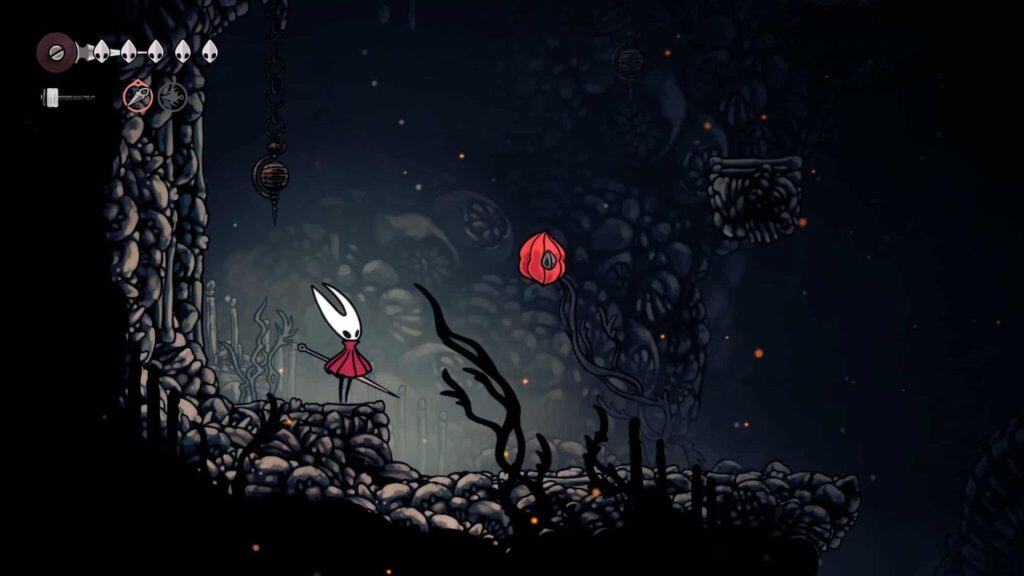
If you’re fresh from Hollow Knight, the diagonal system will feel alien. Here’s what matters:
- Timing is sacred: Strike at the peak of your descent. Too early, you whiff. Too late, you plummet.
- Practice in solitude: Find a safe flower and repeat the motion until it’s muscle memory.
- Chain reactions: Once you’ve nailed single bounces, start linking them. This is where Hunter’s March becomes both agony and art.
Even seasoned players have found themselves spiraling through chasms, chasing lost currency and questioning their reflexes. But once it clicks? It’s transcendence. You’ll move like Hornet was sculpted for this.
Why Hunter’s March Hits Different
This area marks a shift in Silksong’s design philosophy. Hollow Knight introduced mechanics gradually, like a slow-burning spell. Silksong? It throws you into the ritual fire early. Hunter’s March is both tutorial and trial—a skill check wrapped in environmental storytelling.
The entire zone is built around bounce mechanics. Deadly gaps. Hidden levers. Chasms that mock your hesitation. It’s Team Cherry’s way of saying: “If you can’t bounce here, you won’t survive what’s next.”