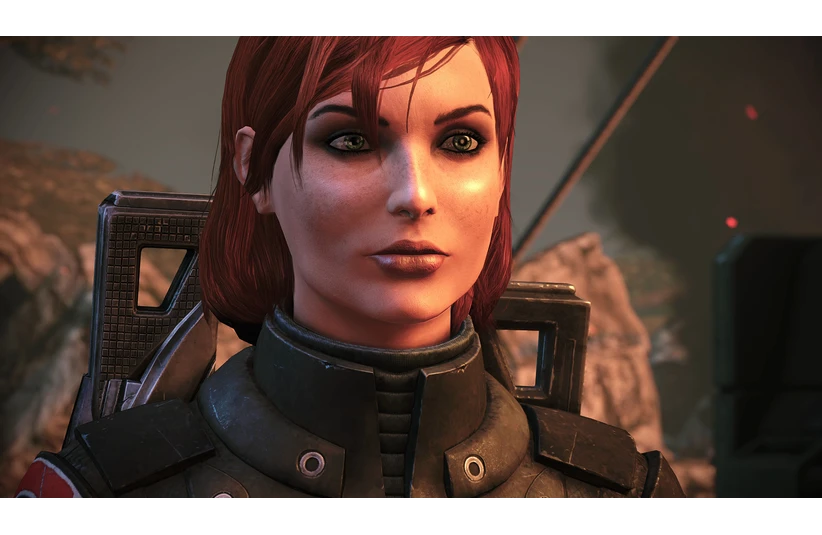
Jennifer Hale Breaks Down the Backlash Behind Mass Effect’s First Queer Romance
Mass Effect has always lived this strange double life — part blockbuster sci‑fi RPG built for the masses, part quiet rebel slipping progressive ideas into the cracks long before the industry was ready to talk about them. And according to Jennifer Hale — Commander Shepard herself, the pulse of the trilogy — none of that happened by accident. It was cultural. It was intentional. Or as she puts it, “a very Canadian thing to do.”
In her conversation with TheGamer, Hale dug into the series’ queer representation, the backlash it stirred up, and the stubborn streak that kept it alive. And honestly, it’s a reminder of just how far ahead of the curve Mass Effect really was.
Mass Effect’s First Queer Romance Wasn’t Just Bold — It Was Dangerous
Hale doesn’t soften the edges: the romance between FemShep and Liara in the first game was “really risky” in 2007.
This was peak Fox News moral‑panic era — the network treated video games like cultural battlegrounds, and the Liara romance became their latest emergency broadcast. Segments, rants, hand‑wringing. They tried to turn a sci‑fi love story into a national crisis.
Hale’s response?
“Sweet! Free publicity. Let’s go.”
That’s the kind of chaotic confidence that built this franchise.
She also makes a point younger players might miss: if you’re around 30 today, the idea of a same‑sex romance in a game doesn’t feel shocking. And that’s the whole point. The normalization worked. It made something that should’ve been ordinary actually feel ordinary.
Mass Effect 2 Pulled Back — But Dragon Age Pushed Forward
Hale also confirms a long‑circulating fan suspicion: Jack was originally written as pansexual, but the idea was cut after the Fox News blowback.
It’s one of those “you can see the seams” moments in Mass Effect 2 — a game that broadened the emotional palette but played it safer on queer romance.
BioWare didn’t stay cautious for long, though. Dragon Age launched with openly bisexual characters. Mass Effect 3 brought queer romance options back across the board. Even as public attacks on LGBTQ+ representation escalated, BioWare kept pushing. Hale frames that persistence as part of the studio’s cultural DNA.
Jennifer Hale Credits BioWare’s Canadian Culture
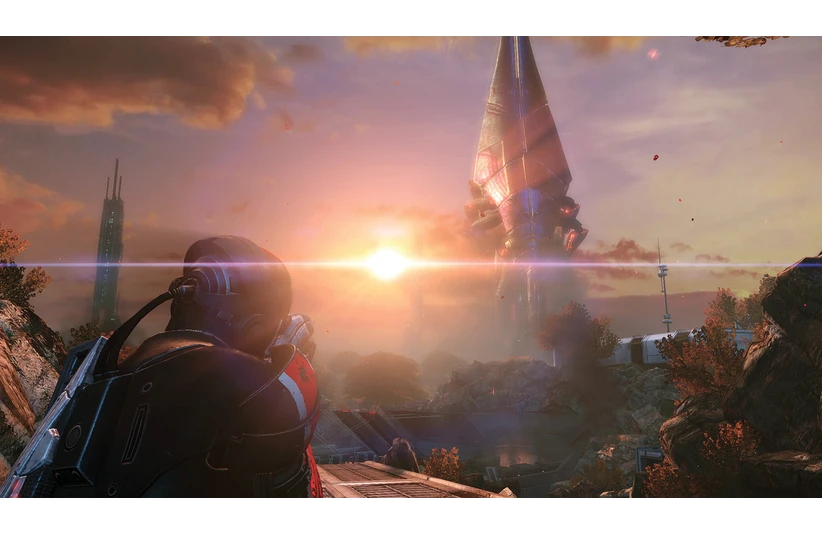
Hale credits BioWare’s Canadian roots for its early commitment to fairness and representation.
“Fairness and representation are steeped deep into the Canadian ethos.”
She describes the studio’s approach as quiet, matter‑of‑fact, and intentionally unflashy — the opposite of today’s “look at us being progressive” marketing cycles. BioWare didn’t make a spectacle out of queer romance. They just put it in the game and let the world freak out around it.
And freak out it did.
But BioWare didn’t move.
Representation Evolved — And So Did Hale
By Mass Effect 3, queer players had multiple romance options, and Dragon Age kept expanding its LGBTQ+ cast even as the culture wars heated up.
Hale also reflects on her own part in that evolution. She voiced Krem, a transgender man in Dragon Age: Inquisition, and says she was honored to do it — but she wouldn’t take that role today. She believes a trans actor should play a trans character.
It’s a rare moment of humility in an industry still figuring out what authentic casting looks like.
How Mass Effect Quietly Shifted Gaming Culture
Hale’s reflections underline something Mass Effect fans have always felt but rarely say out loud: the trilogy didn’t just hand players choices. It handed them permission — to see themselves, to be themselves, to exist in a universe that didn’t treat their identity like a twist.
BioWare didn’t nail everything. But they were early. They were bold. And they refused to fold under pressure.
Ask Hale why, and she’ll tell you that stubbornness wasn’t just creative. It was cultural. It was Canadian. And it mattered.