No Choices Matter: What 4 Video Games Brilliantly Demonstrate About Player Agency
Video games often promise grand, branching narratives where your decisions shape the world around you. We’ve all been there, agonizing over a dialogue option, convinced it will lead to a completely different outcome. But sometimes, the painful truth is that no choices matter. The game developers have played a clever trick, giving us the illusion of control while guiding us down a single, unchangeable path. It’s like a magician forcing a card on you, you feel like you picked it, but the outcome was always the same.
Let’s dive into some of the most infamous examples where, despite what the game tells you, no choices matter in the end.
The Brutal Inevitability of Spec Ops: The Line
Spec Ops: The Line is a masterclass in making players feel terrible, and a prime example where no choices matter. Early on, you’re faced with an impossible situation, using white phosphorus to clear out an enemy encampment. You might look for another way, a non-lethal option, anything to avoid the inevitable horror. But the game won’t let you. You must use the phosphorus to proceed.
The devastating gut punch comes moments later when you walk through the aftermath and discover you’ve just incinerated dozens of innocent civilians who were sheltering there. The game forces your hand and then forces you to confront the horrific consequences. It’s a powerful, harrowing commentary on the nature of war, proving that in some scenarios, no choices matter when you’re just a soldier following orders.
Telltale’s Emotional Rollercoaster in The Walking Dead
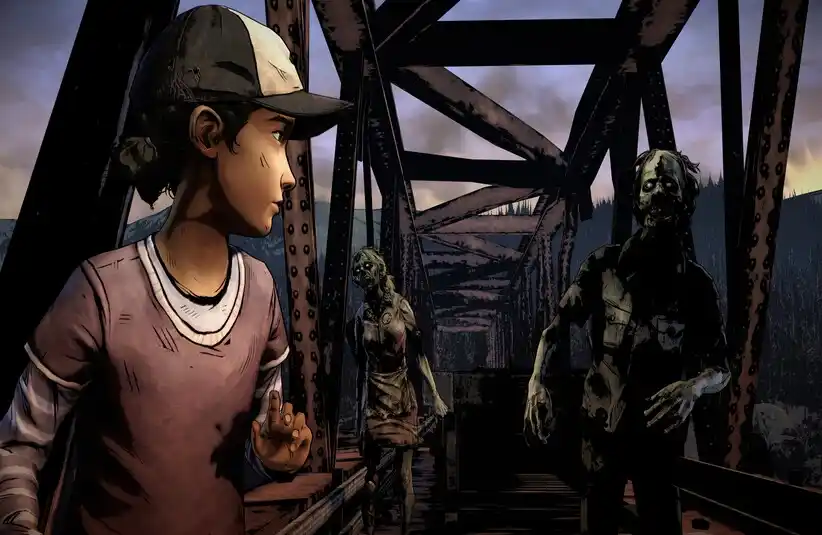
Telltale’s The Walking Dead series built its entire reputation on the premise that your choices would have a profound impact. The first season delivered on this promise with the gut-wrenching finale where a young Clementine must decide Lee’s fate. It was brutal and unforgettable.
Fast forward to The Final Season. Clementine, now the grizzled survivor, gets bitten. The game sets up a heartbreaking parallel, where her young ward, AJ, must make the same impossible choice she once did. The scene plays out, the axe is raised, and the screen cuts to black. We are led to believe she is gone. But psych! In the next scene, Clementine is alive, missing a leg but otherwise fine. This reveal completely undermines the emotional weight of the moment. It demonstrates that ultimately, when it comes to the main character’s survival in that pivotal scene, no choices matter. The writers had their ending planned, and your emotional turmoil was just part of the ride.
The Illusion of Agency in BioShock Infinite
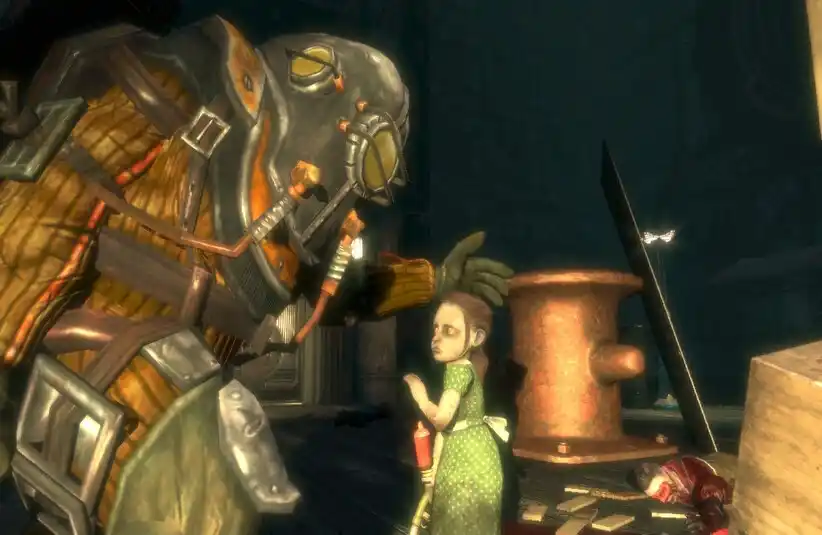
“Constants and variables.” This phrase from BioShock Infinite perfectly sums up its approach to player choice. Throughout the game, you’re presented with seemingly minor decisions, like choosing a necklace for Elizabeth. You might spend a moment pondering which one she’d prefer, the bird or the cage, thinking it reflects some deeper theme.
Spoiler alert, it doesn’t. No choices matter. The game’s narrative is a tightly woven loop, and your character, Booker DeWitt, is destined to play his part regardless of the minor details you select. The game’s incredible, mind-bending conclusion reveals that all paths lead to the same destination. It’s a brilliant narrative device that reinforces the game’s themes of fate and predestination, but it also serves as a stark reminder that sometimes, no choices matter at all. The story is set, and you’re just along for the wild, beautiful ride.
The Rigged Justice System of Chrono Trigger
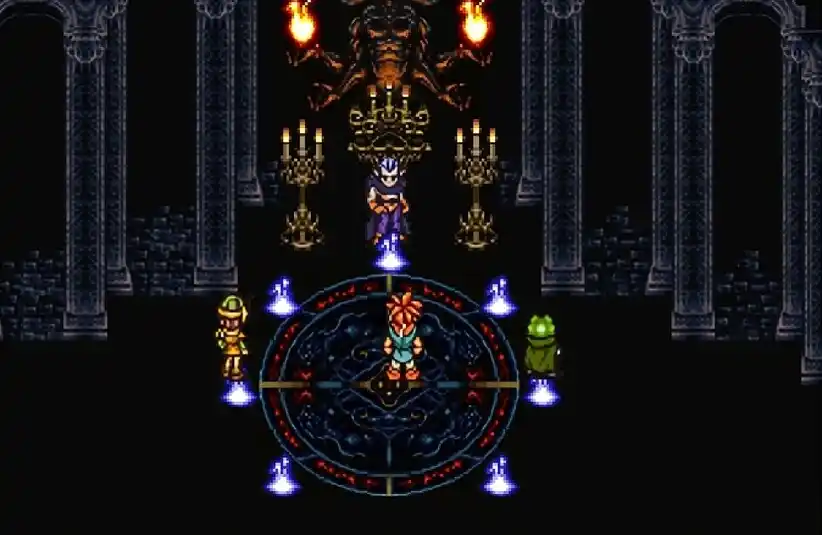
Even the golden children of the RPG genre aren’t innocent. Chrono Trigger is a masterpiece, but it has one of the most frustratingly rigged sequences in gaming history. Early in the adventure, the silent protagonist Crono is put on trial for kidnapping Princess Nadia.
The game actually tracks your behavior at the Millennial Fair before this point. Did you steal that guy’s lunch? Did you help the little girl find her cat? Did you check on the girl you bumped into before checking on her pendant? The trial brings all these “choices” back to haunt you. You can play it like a saint. You can be the nicest, most honest boy in the kingdom. You can have a jury of your peers declare you Not Guilty.
It doesn’t matter. The corrupt Chancellor will intervene, twist the law, and throw you in prison anyway to ensure the plot moves to the jailbreak sequence. It is a hilarious lesson in bureaucratic corruption, but also a prime example of how no choices matter when the plot needs you to be behind bars.
These games highlight a fascinating aspect of interactive storytelling. While we crave agency, sometimes the most powerful stories are the ones that show us the limits of our control, proving that sometimes, no choices matter.