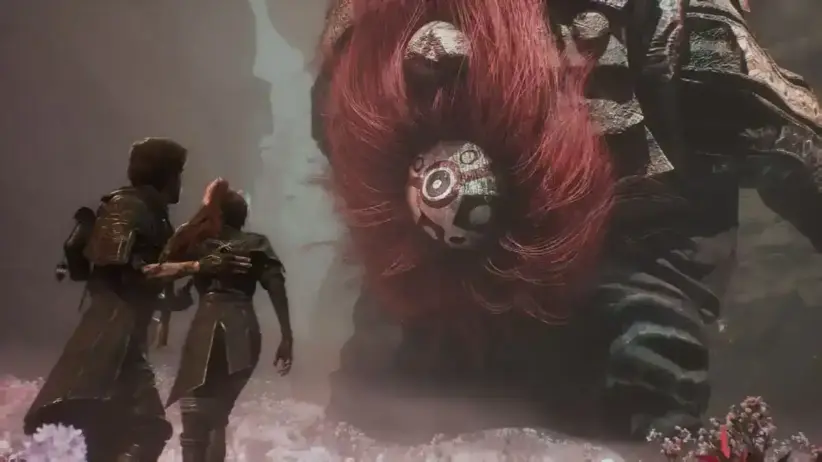
‘The prejudice against turn-based RPGs isn’t completely gone’: despite Clair Obscur: Expedition 33’s massive success, its director reckons real-time action games still have an easier time
The prejudice against turn-based RPGs isn’t completely gone. At least, that’s what François Dupont, the creative mind behind Clair Obscur: Expedition 33, seems to think, and honestly? He’s got a point. While Clair Obscur has pulled off an extraordinary feat of blending nostalgia with modern gameplay to achieve massive commercial and critical success, it’s obvious turn-based RPGs are still fighting an uphill battle to get the respect they deserve.
The Prejudice Against Turn-Based RPGs Isn’t Completely Gone
Turn-Based RPGs Are Legendary, but They’re Still the Underdogs
Think back to the golden age of JRPGs. Games like Final Fantasy, Chrono Trigger, and Dragon Quest ruled the scene, with their turn-based mechanics offering players a deeply strategic experience. These were the games that shaped generations, making us fall in love with calculated battles, rich storytelling, and, yes, even a bit of grinding to beat that one impossible boss.
But fast forward to now, and things are different. Sure, Final Fantasy still slaps, but even Square Enix has leaned heavily into real-time combat (Final Fantasy XVI, anyone?). Why? Because real-time action titles scream “blockbuster.” Explosion here, sword slash there. Compare that to taking turns in battle, which, to some, feels too much like having tea with your enemies before deciding who gets punched.
And it’s not just a perception issue. From a marketing perspective, real-time action games are easier to sell. Flashy trailers, explosive fights, and fast-paced gameplay look sexier than watching two characters stand still for 30 seconds to decide, “Should I hit you with a fire spell, or save my MP?”
Clair Obscur Challenges the Norm, but Does It Change the Game?
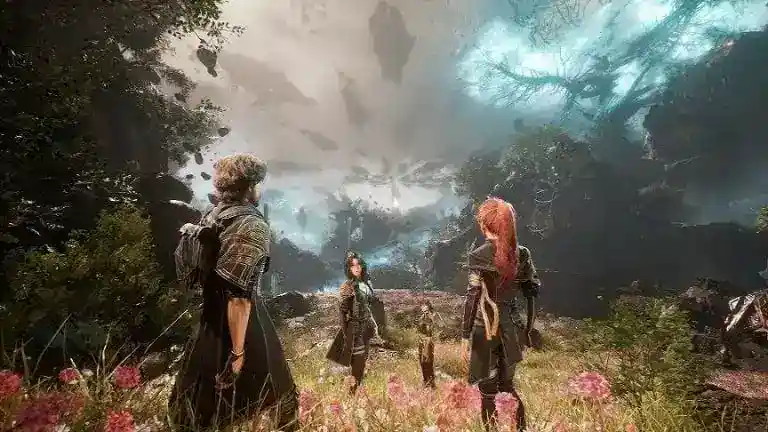
Clair Obscur might just be the poster child for turn-based RPG fans. It celebrates everything we love about the genre while modernizing what skeptics often call “outdated gameplay.” Its director, François Dupont, threw away the rulebook when making it, creating a narrative-driven RPG experience with enough modern flavor to compete with today’s action heavyweights.
And you know what? It worked. The game’s cinematic style and deeply engrossing combat grabbed attention far and wide, proving that turn-based systems can be just as dynamic and engaging, if handled with care. But as Dupont recently mentioned in an interview, even with massive success, there’s still significant bias in the industry. Real-time games are what the big publishers love to push because they have visual pizzazz that’s easy to flaunt.
Why the Hate for Turn-Based RPGs?
Look, the aversion to turn-based RPGs isn’t completely baseless. Younger gamers who didn’t grow up with EarthBound or Chrono Cross often find the mechanics slow or dated. And to be brutally honest, if you’ve tried playing older titles that lack a fast-forward feature (looking at you, original *Final Fantasy games), even die-hard fans can admit it’s a slog sometimes.
But does that mean turn-based games don’t deserve a seat at the table? Absolutely not. They’re an entirely different beast. Instead of “button-mashing for glory,” they offer thoughtful strategy, where every spell, item, and attack matter. They’re more like chess than dodgeball, and for a certain audience, that’s exactly the kind of challenge they crave.
But “showing” that appeal to new players? That’s tough. Developers have to strike a balance between preserving the genre’s defining features and jazzing it up enough to feel modern. Games like Persona 5 and Octopath Traveler have done it impressively, winning over fans and critics alike. Even so, turn-based mechanics remain niche compared to the wide, neon-glowing highway of action-adventure games.
What Do Turn-Based RPGs Need to Thrive?
Here’s the thing. Turn-based RPGs aren’t dead, not by a long shot, but they need to keep innovating to stay alive and relevant. Gamers expect more now. Old-school design isn’t enough anymore; we want hybrid systems, tactical depth, and a story that doesn’t make us want to skip cutscenes after 10 minutes.
Clair Obscur sets the benchmark, but it’s not the only title proving that turn-based can still make waves. Indie titles like Wargroove and even AAA games like XCOM 2 show turn-based gameplay is far from extinct.
The next step? More risks from developers. More big publishers ready to take a gamble. And perhaps most importantly, more gamers willing to look past the perception of turn-based games as outdated and realize how freaking satisfying it is to execute a perfect strategy and defeat a boss after 12 turns of meticulous planning.
Final Thoughts
The prejudice against turn-based RPGs isn’t completely gone, but maybe that’s okay. The genre has always thrived on being a little different. For those willing to give these games a shot, the rewards are unparalleled. And who knows? With titles like Clair Obscur proving that turn-based mechanics can still shine in 2024 and beyond, maybe the tide will start turning.
One thing’s for sure—we’re not ready to stop pressing “Attack” just yet.
Visit Total Apex Gaming for more game-related news.