Are These the Most Underrated MtG Sets Ever?
Magic: The Gathering has produced well over 100 sets since 1993, and while some are instant classics, others are remembered as disappointments—flops that missed the mark in mechanics, theme, or market impact. Talk about underrated. MtG But as time passes, some of those so-called failures start to look a little different. Hidden gems rise, nostalgic flavor returns, and the community begins to ask: Were we too harsh on that set?
Below are 8 of the most underrated MtG sets ever, ranked from overlooked to completely misjudged—ending with a recent release that might just become a future cult classic.
#8 – Fallen Empires (1994)
Why it flopped: Overprinted, underpowered by competitive standards
Why it’s underrated now:
At the time of its release, Fallen Empires was widely criticized for weak cards and an overabundance of booster packs that flooded the market. But in hindsight, the set was creatively bold and mechanically groundbreaking and is worthy of being an underrated MtG set. It introduced several “firsts” for Magic:
- The first set to emphasize color-based factions (e.g., Order vs. Chaos in white and black).
- The first tribal-themed set, focusing on Thrulls, Homarids, and Thallids.
- The first set to explore token creatures and +1/+1 counters as a central mechanic.
- The first Magic set to feature alternate art versions of the same card, which later became a collector staple.
Fallen Empires was also dense with flavor and had a haunting, distinctive tone. While it lacks the power of its contemporaries, its ambition is clearer in retrospect—and its influence can be seen in future faction-based sets like Invasion and Ravnica.
Hidden Gems: Hymn to Tourach, Order of the Ebon Hand, Thallid
#7 – Born of the Gods (2014)
Why it flopped: Middling mythics, weak Limited format
Why it’s underrated now:
Originally seen as the low point of the Theros block, Born of the Gods seemed forgettable at launch. However, some of its cards aged into powerful format staples, especially in Pioneer and Modern, making this an underrated MtG set.
Standouts like Eidolon of the Great Revel became sideboard tech and tournament mainstays. Courser of Kruphix offered consistency and value in midrange decks for years. The gods may have been underwhelming, but the set quietly delivered long-term relevance.
Hidden Gems: Eidolon of the Great Revel, Courser of Kruphix, Brimaz, King of Oreskos
#6 – Saviors of Kamigawa (2005)
Why it flopped: Clunky “hand size matters” theme, poor synergy
Why it’s underrated now:
Even within the already divisive Kamigawa block, Saviors was seen as a major misstep. Its main mechanic, rewarding players for having seven or more cards in hand, felt disconnected from most gameplay realities. But buried in the set are some long-term sleeper hits in this underrated MtG set.
Cards like Pithing Needle became eternal staples, and Michiko Konda found a lasting home in Commander. The set’s minimalistic, spiritual Japanese aesthetic has also aged well, giving it strong nostalgic appeal.
Hidden Gems: Pithing Needle, Michiko Konda, Truth Seeker, Twincast
#5 – Kamigawa Block (2004–2005)
Why it flopped: Complex mechanics, weak Standard impact
Why it’s underrated now:
Kamigawa was a low point for tournament play, with mechanics like Splice onto Arcane, Soulshift, and Spirit tribal proving difficult to execute and underpowered in Standard. However, years later, the community began to reappreciate the set’s worldbuilding and bold experimentation.
It gave us cards that are now Commander and Legacy staples—Umezawa’s Jitte, Sensei’s Divining Top, Kiki-Jiki, Mirror Breaker—and introduced a Japanese mythology-inspired setting that fans loved enough to warrant a return in Kamigawa: Neon Dynasty.
Hidden Gems: Umezawa’s Jitte, Sensei’s Divining Top, Kiki-Jiki, Mirror Breaker
#4 – Prophecy (2000)
Why it flopped: Clunky and unbalanced mechanics, little impact in Standard
Why it’s underrated now:
Prophecy was widely mocked for the Rhystic mechanic (“unless an opponent pays 1”), which felt tedious and unfun. The set’s design failed to excite players at the time—but it quietly introduced one of the most-played Commander cards ever: Rhystic Study.
Today, the set is mined for value by EDH players, and its high fantasy art and strange themes give it a unique identity compared to its contemporaries. There’s plenty to be had with this underrated MtG set including the spellshapers and other Rhystic cards.
Hidden Gems: Rhystic Study, Avatar of Woe, Spore Frog
#3 – Dragon’s Maze (2013)
Why it flopped: Poor Limited experience, no shock lands in boosters
Why it’s underrated now:
Dragon’s Maze was supposed to be the climactic finale of the Return to Ravnica block—but it was met with disappointment. It didn’t include shock lands in boosters, had awkward mechanics like Fuse and Maze’s End, and made drafting confusing.
But time has been kind to it. The set delivered multiple multicolor staples that thrive in Commander, including Notion Thief, Ruric Thar, and Wear // Tear. It also has strong thematic flavor and standout design for certain archetypes.
Hidden Gems: Notion Thief, Ruric Thar, the Unbowed, Voice of Resurgence
#2 – Homelands (1995)
Why it flopped: Weakest overall set in Magic history
Why it’s underrated now:
Often called “Magic’s all-time design low”, Homelands was critically panned for its low power level, lack of synergy, and confusing story. But over the years, it’s developed a kind of cult following, making it an underrated MtG set.
The set is packed with early Magic lore, with characters like Baron Sengir and Autumn Willow adding depth to the game’s early mythology. Some cards, like Merchant Scroll, even found competitive relevance in Pauper and Legacy. It’s a reminder that design misfires can still have lasting charm.
Hidden Gems: Merchant Scroll, Serra Aviary, Willow Priestess
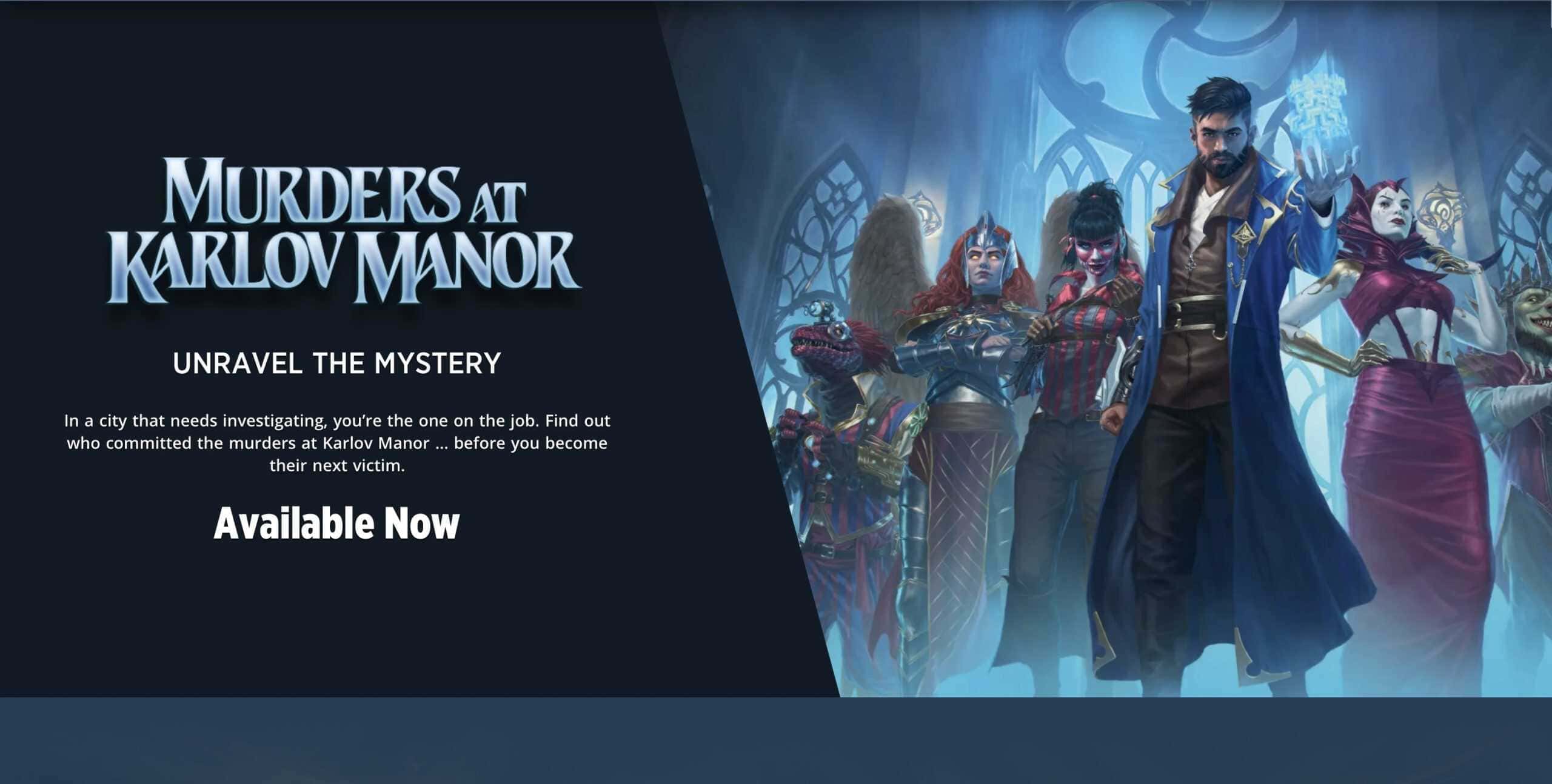
#1 – Murders at Karlov Manor (2024)
Why it flopped: Confused tone, poor market performance, design missteps
Why it’s underrated now:
Murders at Karlov Manor was a swing-and-a-miss in the eyes of many players—and even Mark Rosewater, Magic’s head designer, admitted it missed expectations. From overloaded mechanics like Disguise and Suspect to a noir detective theme that didn’t mesh well with Ravnica’s guilds, the set felt off to many.
And yet… it’s already aging better than expected.
The Limited format was clever, the mechanics had hidden strategic depth, and the set introduced a new cycle of Surveil lands—dual lands with utility in graveyard decks and a growing price tag. Cards like No More Lies, Case of the Stashed Skeleton, and Aurelia’s Vindicator are showing up in Commander and even Modern.
As prices fall and more players revisit the set, Murder at Karlov Manor might just become Magic’s most misunderstood gem and most underrated MtG set ever.
Hidden Gems: No More Lies, Aurelia’s Vindicator, Surveil dual lands, Case of the Gateway Express
Most Underrated MtG Sets
Not every underrated MtG set gets the love it deserves at launch. Sometimes, mechanics are too weird, themes are too bold, or the power level is simply out of step with the meta. But these eight sets—while flawed—offer rich design, flavorful cards, and long-term value in formats like Commander, Cube, and casual play.
So before you write off a “bad” set, remember: underrated today could be essential tomorrow. You should also check out our list of classic tabletop roleplaying games that are still in print.